The intricate and often time-consuming registration process for Small and Medium Enterprises (SMEs) has long been identified as a critical national issue requiring urgent attention, especially as Cambodia strives for robust economic growth. Recognizing this pressing challenge, Prime Minister Hun Manet has announced his direct and personal intervention to significantly boost and streamline these procedures, famously declaring his intention to ‘surgically’ reform the complex registration process currently plaguing SMEs.
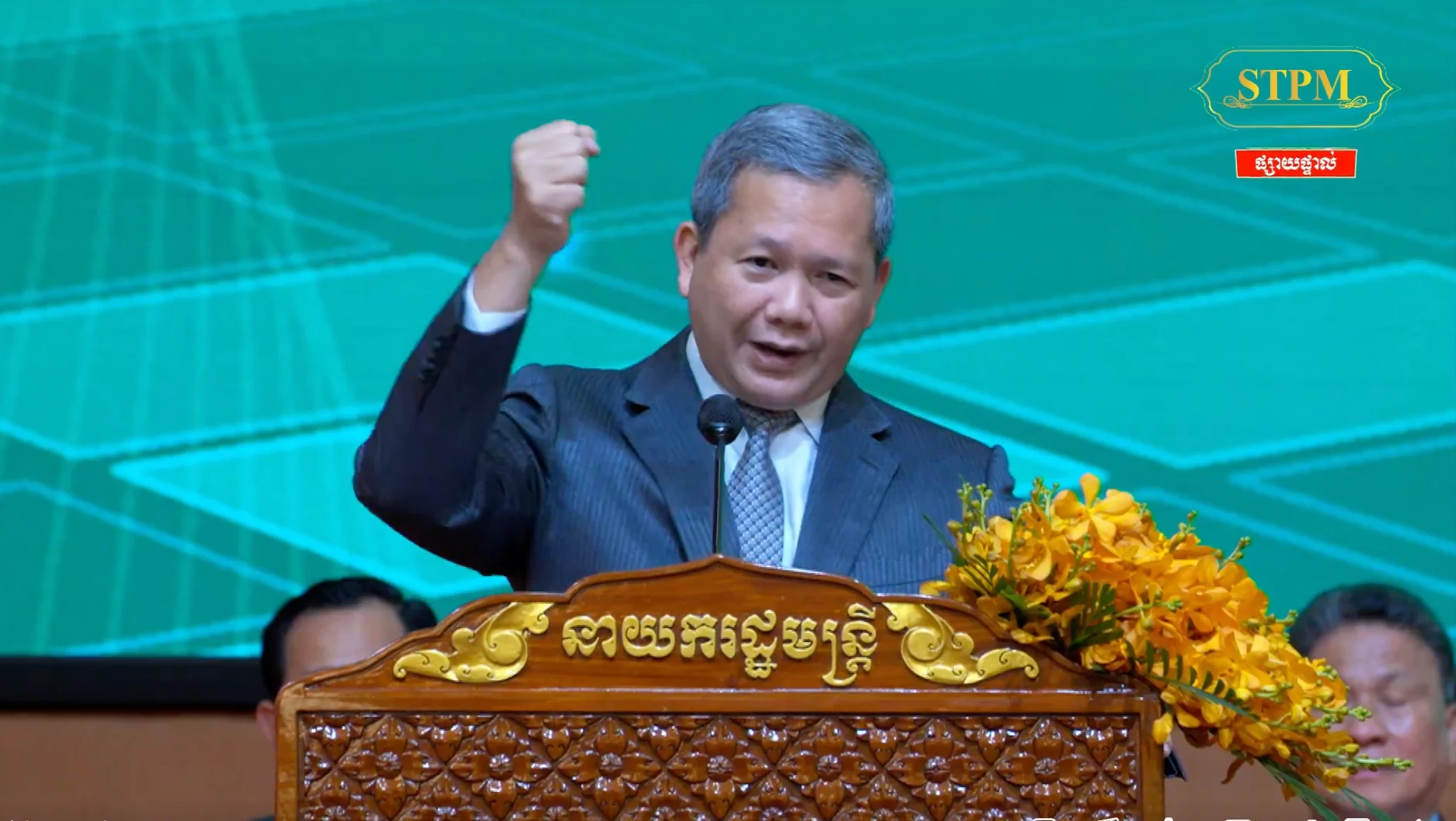
During a plenary session of the Council of Ministers on July 25, Prime Minister Hun Manet emphasized his unwavering commitment, stating, “I want to make it clear that I’ve rolled up my sleeves to tackle border issues and online scams, and now, I’m rolling up my sleeves for SMEs as well.” This declaration underscores a firm resolve to resolve various SME challenges within a short timeframe.
Further demonstrating his dedication, Prime Minister Hun Manet is also preparing to establish a new specialized unit designed specifically to address the multifaceted challenges faced by SMEs. This unit, as outlined by the Prime Minister, will not merely serve as a digital platform like Cam-DX or a simple document submission point. Instead, it will be actively responsible for facilitating document processing and coordinating closely with all relevant ministries and institutions to ensure efficient resolution.
In conjunction with this initiative, the Prime Minister has issued a directive to all ministries and institutions, mandating that they collectively strive to resolve the major issues facing SMEs by September. Any remaining service-related challenges are targeted for resolution by the end of 2026. This comprehensive approach signifies a phased but resolute plan to enhance the business environment for small and medium enterprises.
Mr. Heng Sokkong, spokesperson for the Ministry of Industry, Science, Technology, and Innovation, further elaborated on the government’s strategy, confirming that the ‘surgical’ streamlining of SME registration will commence with a pilot program focusing on soap craft businesses. He highlighted that under the new, expedited process, products from low-risk soap craft businesses, such as household cleaning soaps, could potentially enter the market within just six days, with implementation scheduled to begin in August.
For soap craft products with medium to high-risk profiles, particularly those designed for direct human contact, stricter protocols will apply. These products will be required to undergo essential microbiological, physical, and chemical tests. Expert officials will meticulously inspect the ingredients, and provided there are no adverse effects on human use, the Ministry of Industry will promptly issue the necessary permits to the business owners. Mr. Sokkong assured that even these more rigorous testing procedures would be conducted without undue delay, ensuring products can access the market as quickly as possible.
This proactive stance from the government has been widely welcomed by industry leaders. Mr. Teng Tangpo, President of the Federation of Small and Medium Enterprises of Cambodia (FSMEC), lauded the government’s decisive action, emphasizing the critical importance of ‘surgically’ streamlining the complex registration process for the advancement of the SME sector, which he regards as a fundamental pillar of the national economy.
The Prime Minister’s announcement to directly intervene and ‘operate’ on SME issues follows extensive complaints from numerous tycoons, artisans, and business owners. These entrepreneurs frequently cited the difficulties arising from legal procedures involving multiple ministries, which often resulted in substantial time and financial burdens before their products could officially enter the market.
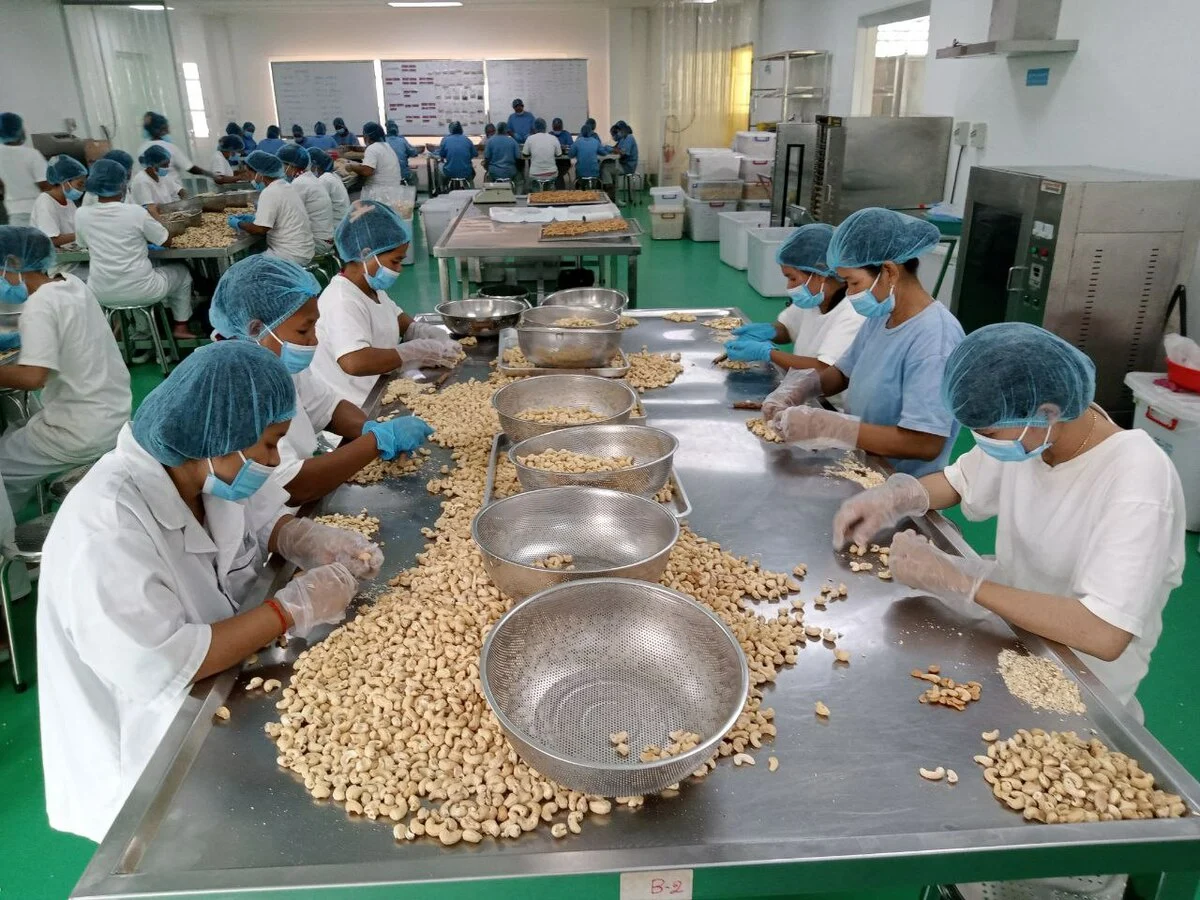
In the first half of the current fiscal year, the Ministry of Industry reported a total of 876 registered Small and Medium Enterprises, marking a significant increase of approximately 40 percent compared to the first half of the previous year. According to Mr. Heng Sokkong, the food and beverage sector led this growth with 451 registered establishments, followed by the chemical, rubber, and plastic industries with 199. The textile, garment, bag, and footwear sectors accounted for 81 registrations, while metal processing saw 43. Non-metallic mineral product manufacturing added 30, furniture 21, wood and wood products 21, and paper and printing industries contributed 17 new registrations.