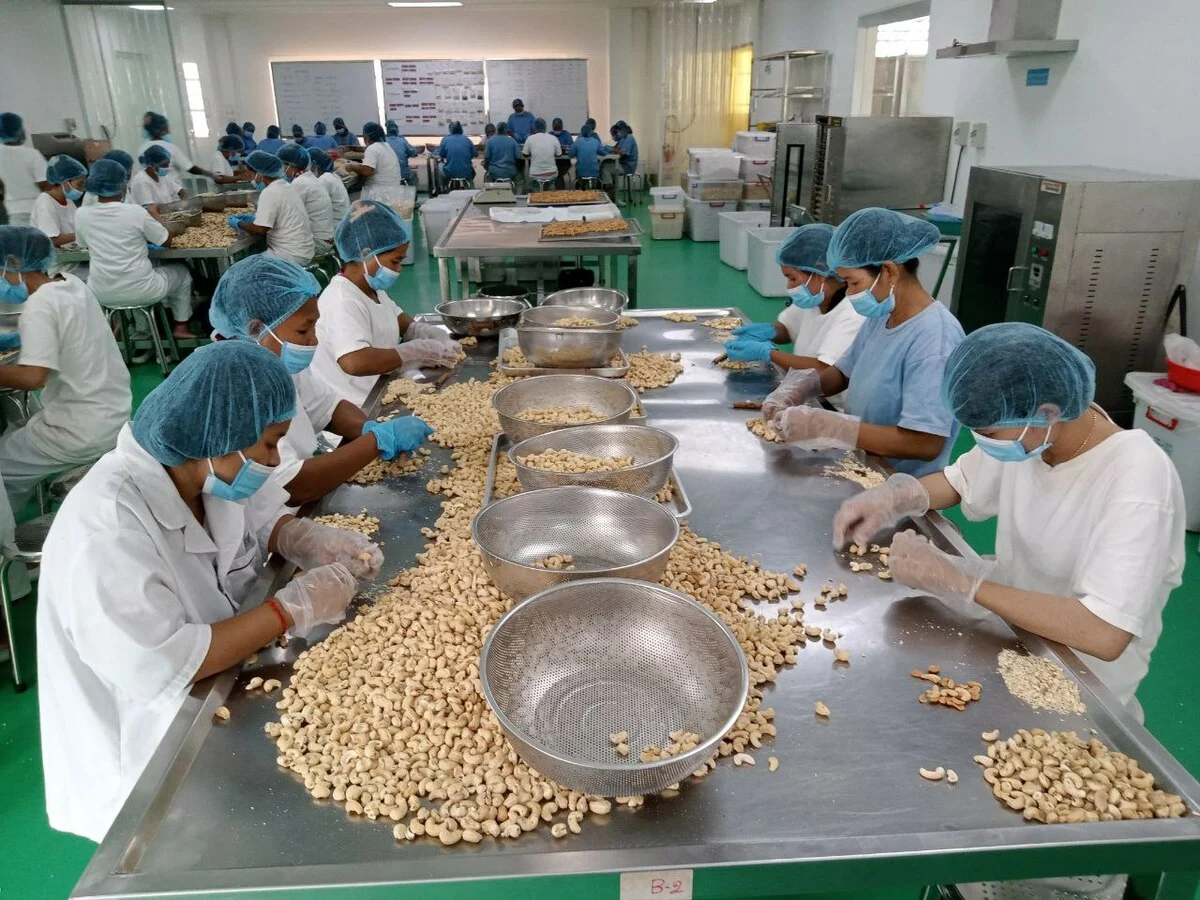
Phnom Penh, Cambodia – A significant boost in Cambodia’s domestic production has been observed, with approximately 2,600 local products registered with the Ministry of Industry, Science, Technology, and Innovation within the first nine months of 2026. This positive development underscores the growing quality and diversity of Cambodian goods available in the market.
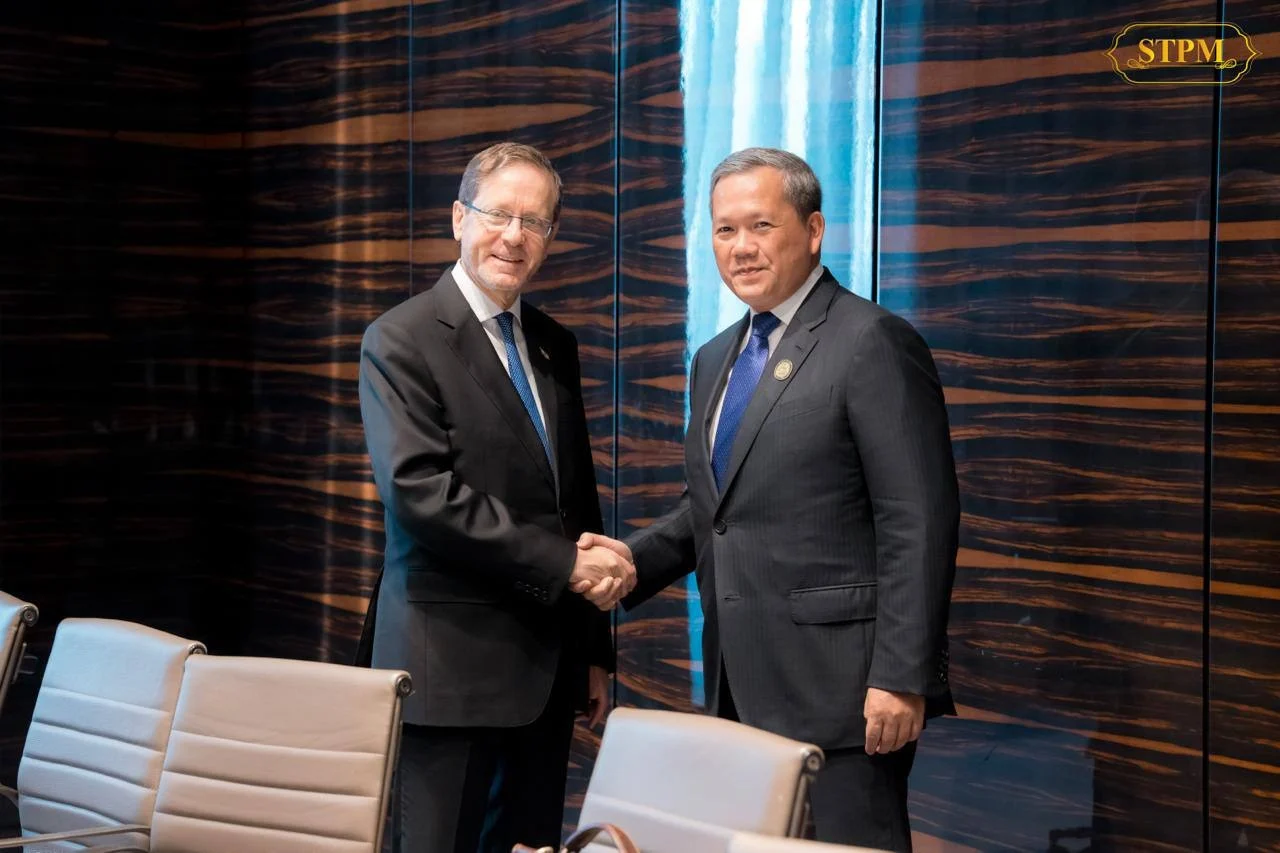
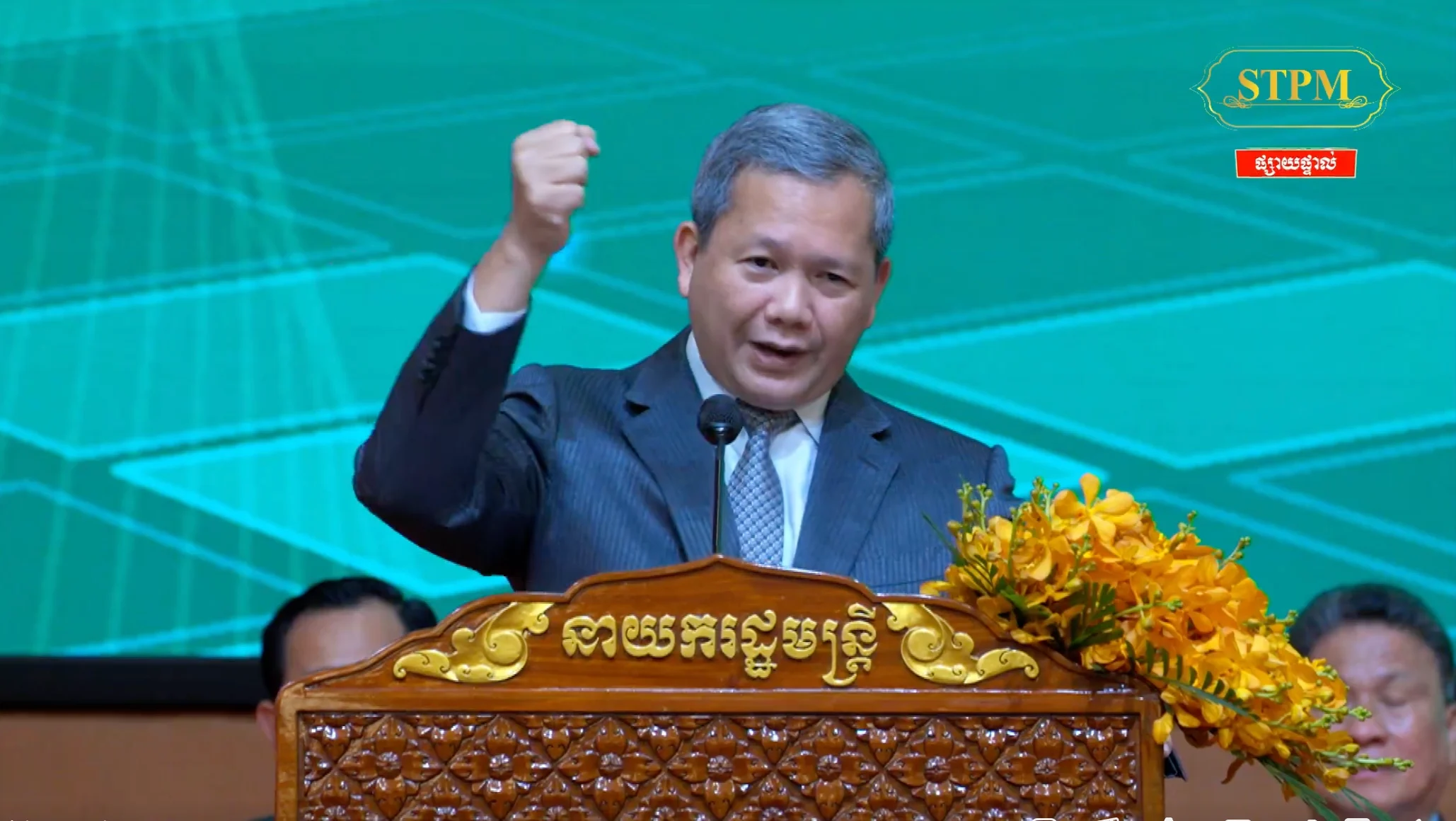
Prime Minister Hun Manet has urged the public to continue their strong support for these local products. He emphasized that while enterprises have the capacity to produce a wide array of goods, their long-term growth and sustainability hinge on robust market access and consumer demand. Without a consistent market and integration into supply chains, expansion efforts cannot be sustained.
In response to this, Prime Minister Hun Manet highlighted the ongoing efforts by relevant ministries and institutions to assist Micro, Small, and Medium Enterprises (MSMEs). This support focuses on enhancing product quality, ensuring safety standards, facilitating testing, improving packaging, securing intellectual property rights, and preparing businesses for market entry. The overarching goal is to empower Cambodian products to compete confidently, both domestically and internationally.
Currently, Cambodia is experiencing promising signs of increased local production capabilities. The Prime Minister noted that the 2,600 product registrations in the first nine months of this year represent a substantial increase of approximately 1,100 items compared to the same period in 2025, when over 1,500 products were registered. Cambodian products are becoming increasingly diverse and are actively circulating in the market.
This expanding range includes various consumer goods such as food items, noodles, milk, soup powder, cooking oil, sugar, oyster sauce, chili sauce, tomato sauce, shampoos, laundry detergents, dish soaps, and cosmetics, along with snacks and beverages. These domestically produced goods are increasingly replacing imports, particularly from Thailand, as Cambodian SMEs strive to manufacture high-quality products that meet market demands. Ministries and related institutions continue to promote local production to fill market gaps and reduce reliance on foreign goods.
Mr. Pen Sovicheat, Spokesperson for the Ministry of Commerce, affirmed this strategic direction. He stated, “Gradually, we are transforming these products into attractive options for local consumers, aiming to expand our market and replace foreign products, especially those from Thailand.” Cambodia’s primary objective is to strengthen its SMEs, enabling them to produce a wide range of food, beverages, groceries, kitchenware, and daily necessities for sale in both traditional and modern markets.
Through the Ministry of Commerce’s ‘Khmer Products’ campaign, many Cambodian goods have gained recognition and widespread use in daily life. Mr. Pen Sovicheat further reported that as of July, 642 supermarkets and organized markets across the country were participating in the ‘Khmer Products’ campaign. This figure represents 59 percent of all such establishments nationwide.
Mr. Sovicheat concluded by encouraging all segments of society to collectively support and utilize Cambodian products. He emphasized, “The Khmer products displayed in these markets are of good quality and reasonable prices, allowing us to boost production volumes further. However, this also depends on the continued support and usage by our citizens.”