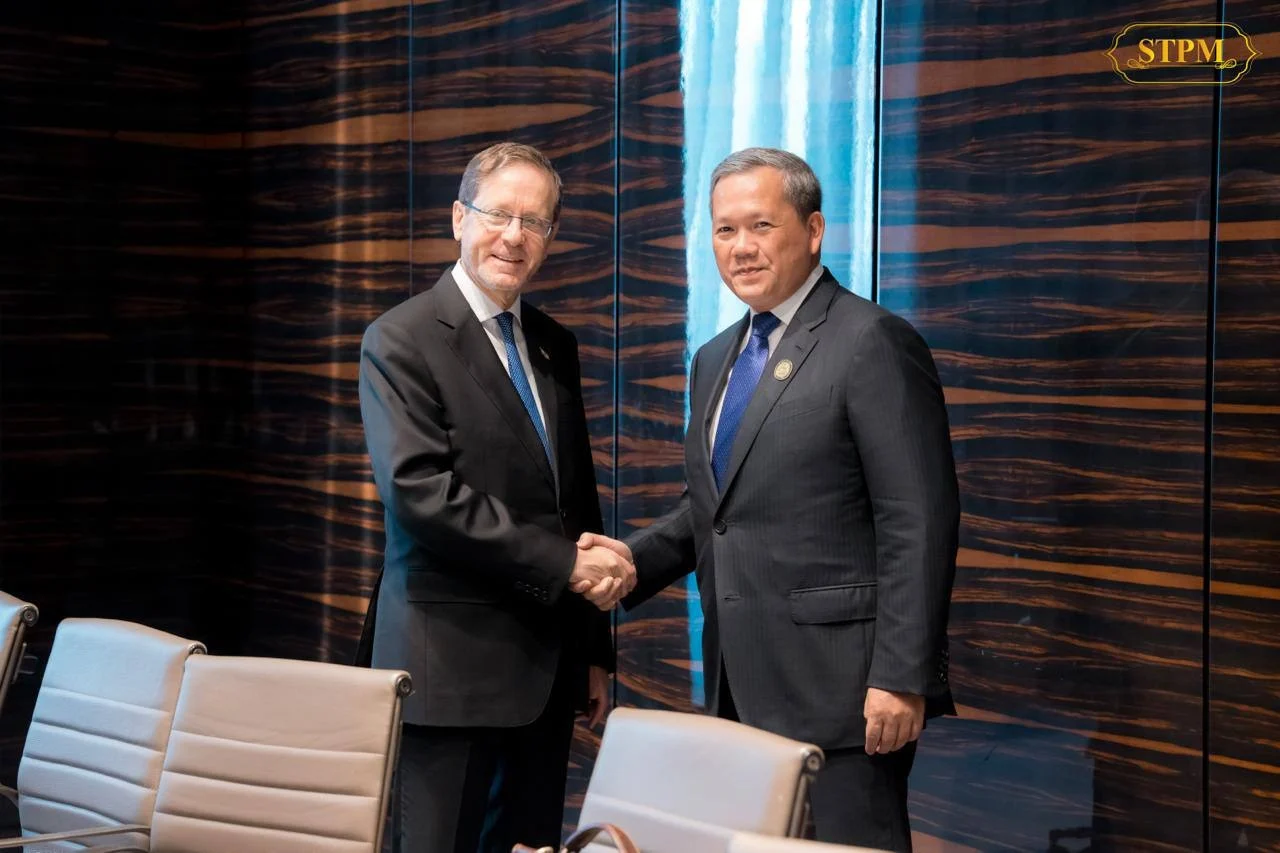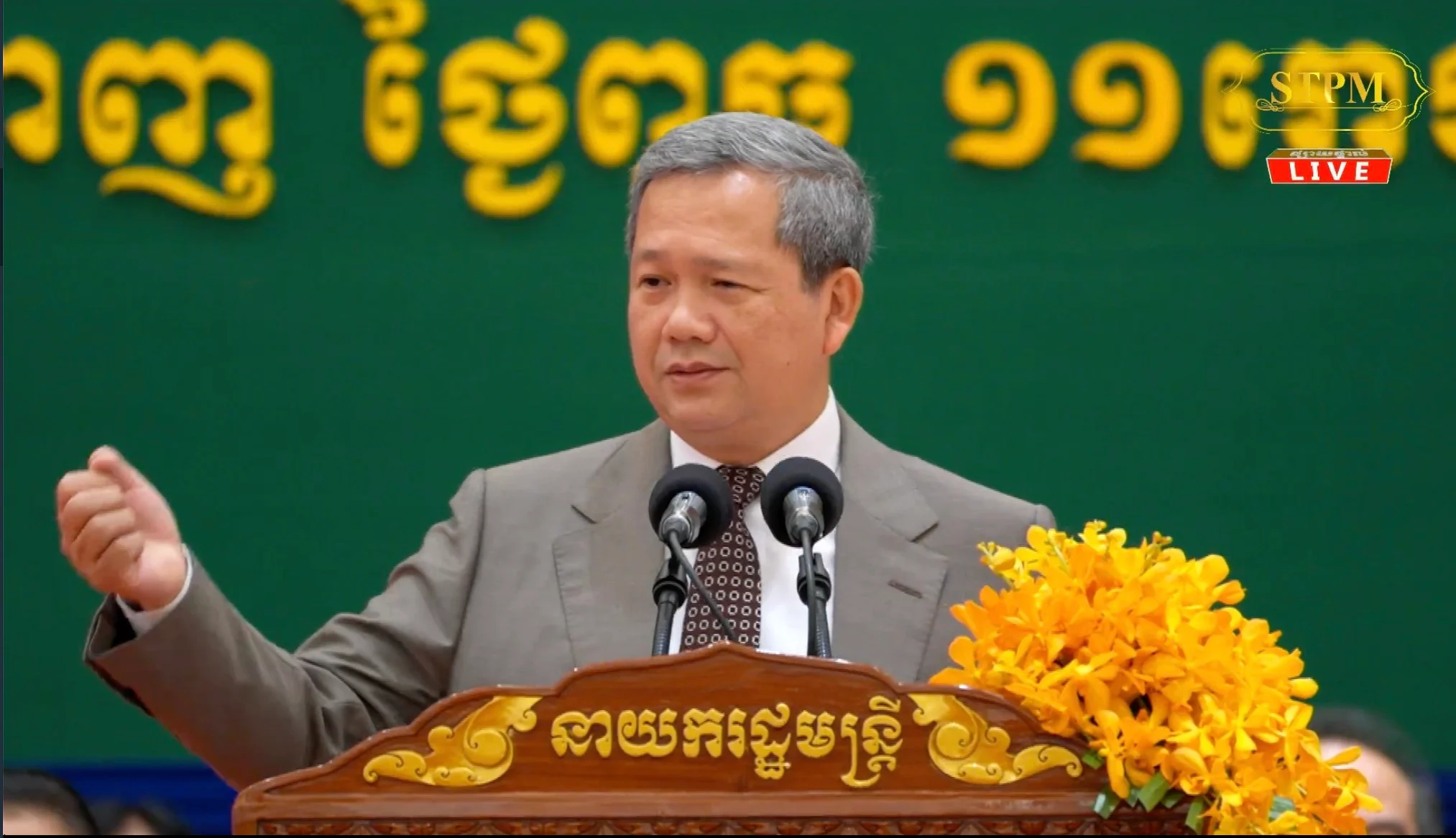
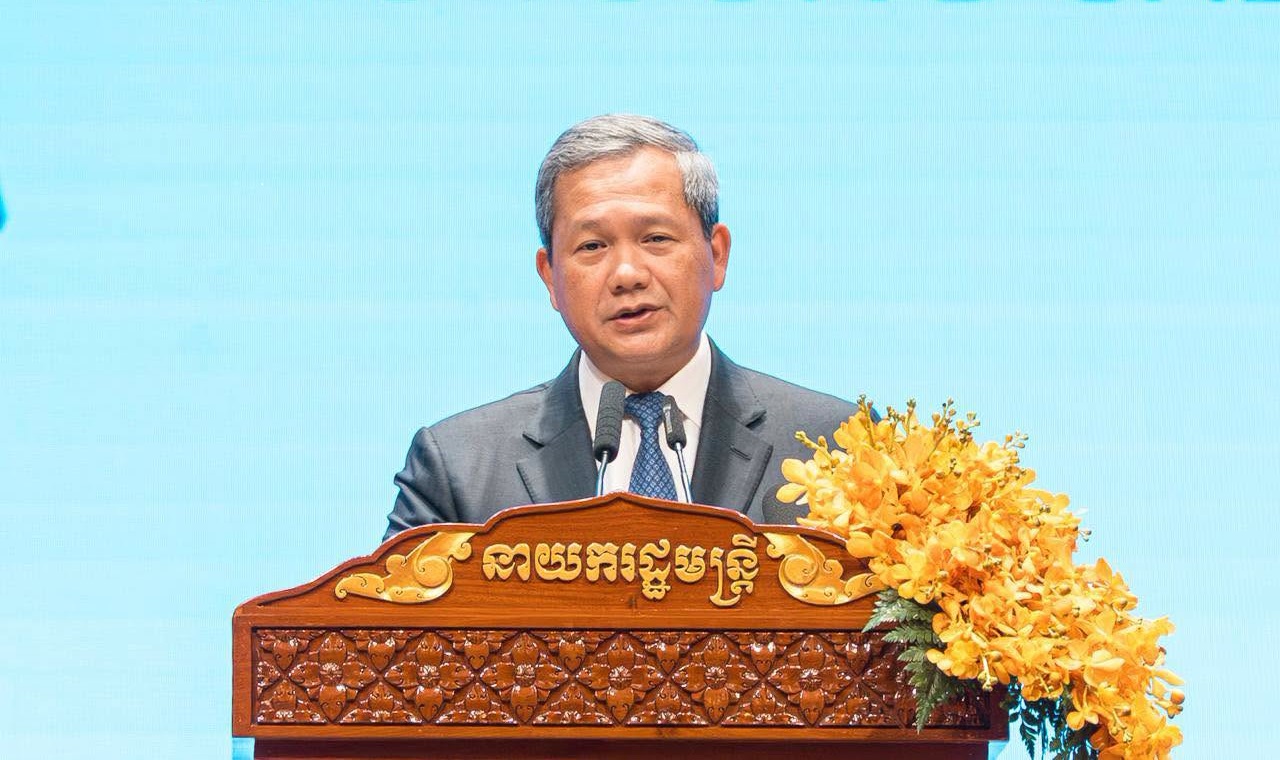
Prime Minister Hun Manet, currently on an official overseas mission, continues to closely monitor the ongoing border dispute resolution process between Cambodia and Thailand. He emphasized that the critical task of negotiating international borders between sovereign nations constitutes a profound and significant responsibility of the Royal Government towards both the nation and its people. This important statement was shared via his personal Facebook page on the afternoon of October 16.
During these vital border negotiations, the Prime Minister underscored the necessity of demanding a clear and solid foundation for any resolution. This foundation, he stated, must encompass not only comprehensive legal documentation and technical expertise but also a steadfast commitment to meticulous work, thoroughness, and significant patience. These attributes, he stressed, are indispensable for effectively safeguarding the nation’s sovereignty and territorial integrity. He explicitly cautioned against engaging in border-related work without a clear legal or technical basis, or by relying on unreliable sources such as television broadcasts, social media narratives, unverified hearsay, or ‘special intuition.’
In his remarks, Prime Minister Hun Manet also clarified the strategic approach to be adopted in these negotiations. He stated that any methodology employed must be carefully selected to align with the prevailing circumstances and specific situations, whether through bilateral mechanisms or international frameworks. Cambodia is actively pursuing the resolution of its land border issues through the Joint Border Committee (JBC), a well-established bilateral mechanism. Simultaneously, for maritime border disputes with Thailand, Cambodia is utilizing the compulsory conciliation mechanism under the United Nations Convention on the Law of the Sea (UNCLOS).
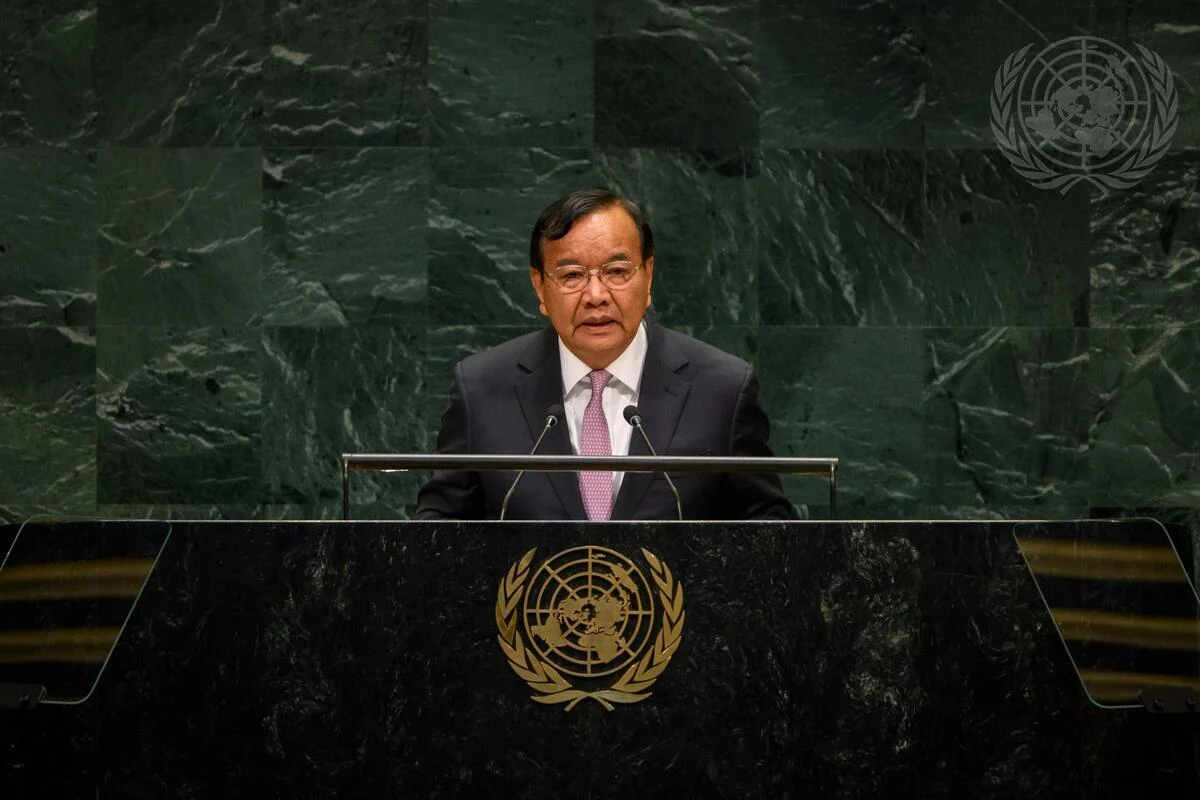
It is important to note that the second meeting of the Conciliation Commission, operating under the UNCLOS framework, between Cambodia and Thailand, is currently underway. This significant meeting is being held at the Peace Palace, the headquarters of the Permanent Court of Arbitration (PCA) and the International Court of Justice (ICJ) in The Hague, Netherlands. This second session commenced on October 14 and is scheduled to conclude on October 18. The Cambodian delegation and its legal team are being led by Deputy Prime Minister Prak Sokhonn, who is serving as Cambodia’s agent in these proceedings. During this second meeting, the UNCLOS Conciliation Commission has mandated that both Cambodia and Thailand refrain from making any public statements regarding the outcomes or progress of the conciliation process until the Commission itself issues its official press release. This directive was confirmed by the Cambodian Ministry of Foreign Affairs in a press statement issued on October 15.
The inaugural meeting of the Conciliation Commission between Cambodia and Thailand previously took place from September 14 to 16 in Singapore. During that initial session, Deputy Prime Minister Prak Sokhonn articulated Cambodia’s aspirations for this conciliation mechanism. He emphasized that Cambodia seeks outcomes that would yield mutual benefits for the populations of both nations, contributing significantly to regional peace, cooperation, and shared prosperity. The Cambodian side notably presented three distinct solution options for the delimitation of the maritime boundary and the pursuit of common interests with Thailand.
Prime Minister Hun Manet further underscored that any delays in the implementation of these crucial agreements have a tangible impact, currently impeding over 20,000 Khmer people from returning to their homes safely and with dignity. This highlights the urgent humanitarian dimension intertwined with the border delimitation efforts.