Phnom Penh, Cambodia – Cambodia’s economic growth is projected to decelerate to a modest 3.9% for the year 2026, facing a confluence of significant internal and external challenges, according to the latest forecast from the National Bank of Cambodia (NBC). This growth rate is anticipated to improve to 5% by 2027.
The NBC’s projection highlights a challenging economic landscape. External pressures include the resurgence of conflict in the Middle East since early 2026. Domestically, the nation grapples with issues such as ongoing border disputes, an intensified crackdown on technology-related fraud, and residual impacts from the COVID-19 pandemic. These factors collectively exert considerable negative pressure on Cambodia’s economic performance.
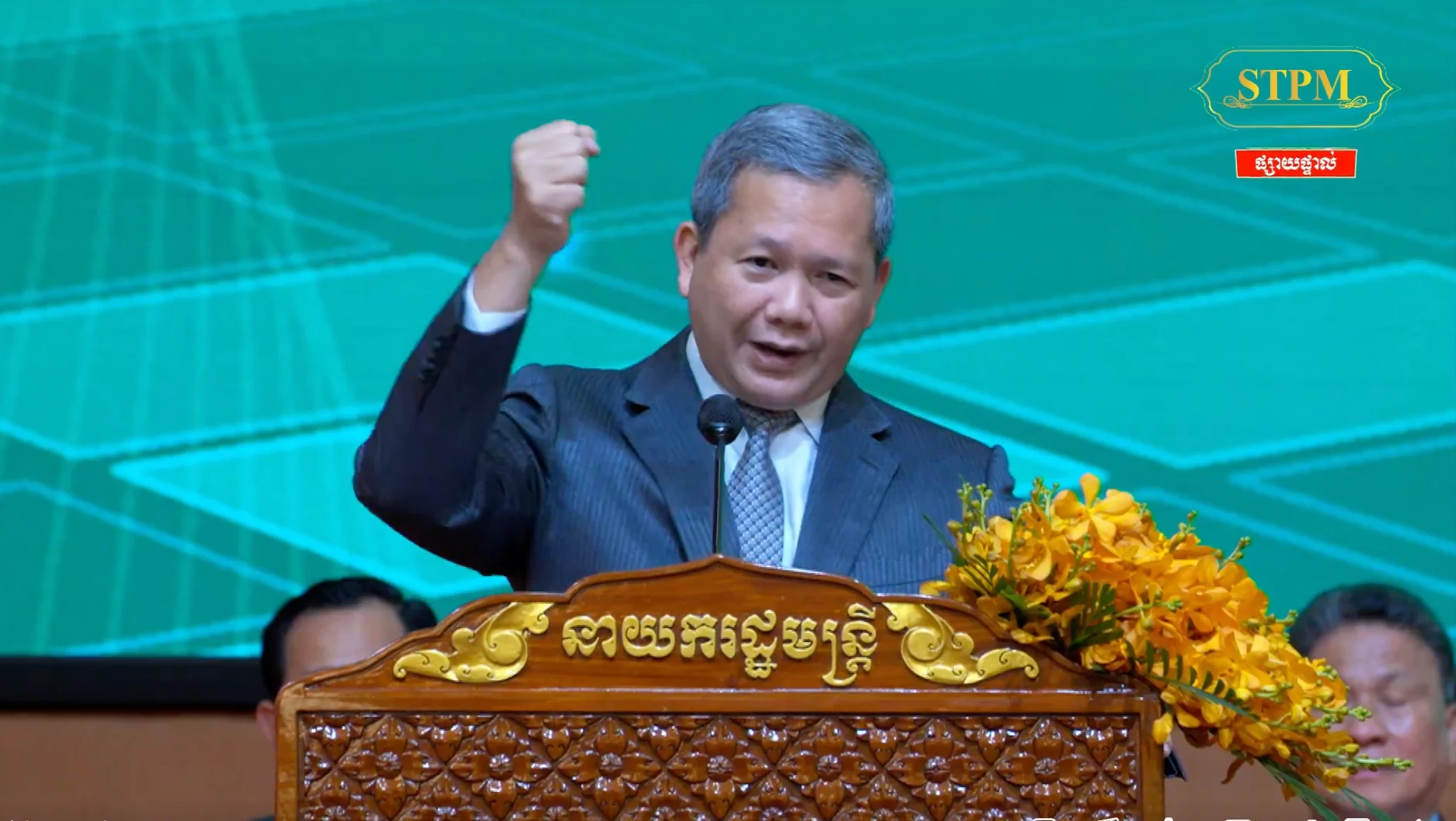
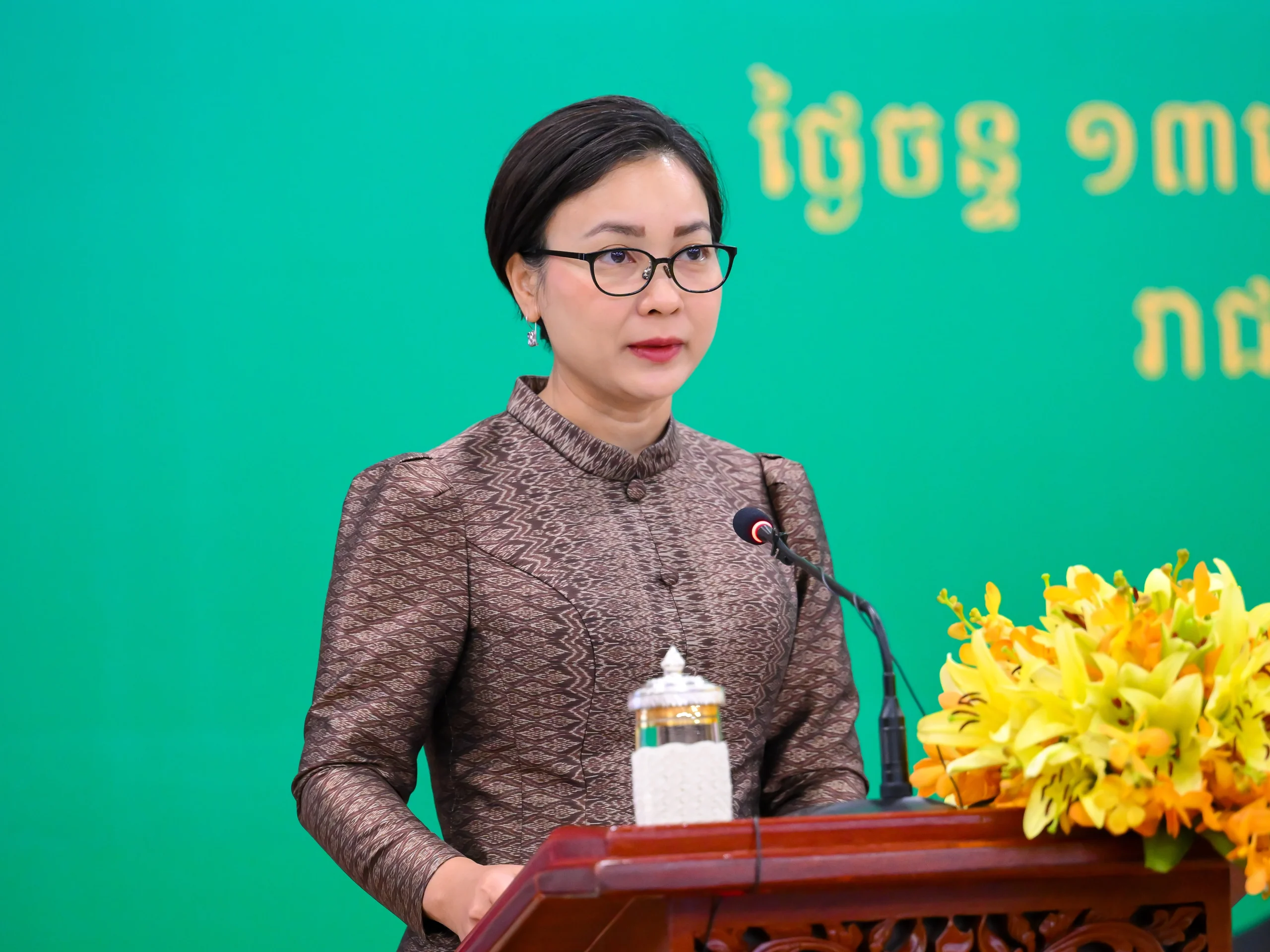
During a recent meeting on July 27, National Bank Governor Chea Serey announced these findings as part of the semi-annual review of the first half of 2026 and outlining strategic directions for the second half. Governor Serey elaborated that the 3.9% annual growth forecast is derived from an estimated 3.5% growth rate during the first half of 2026, coupled with an optimistic outlook for a slight uptick to 4.3% in the second half of the year.
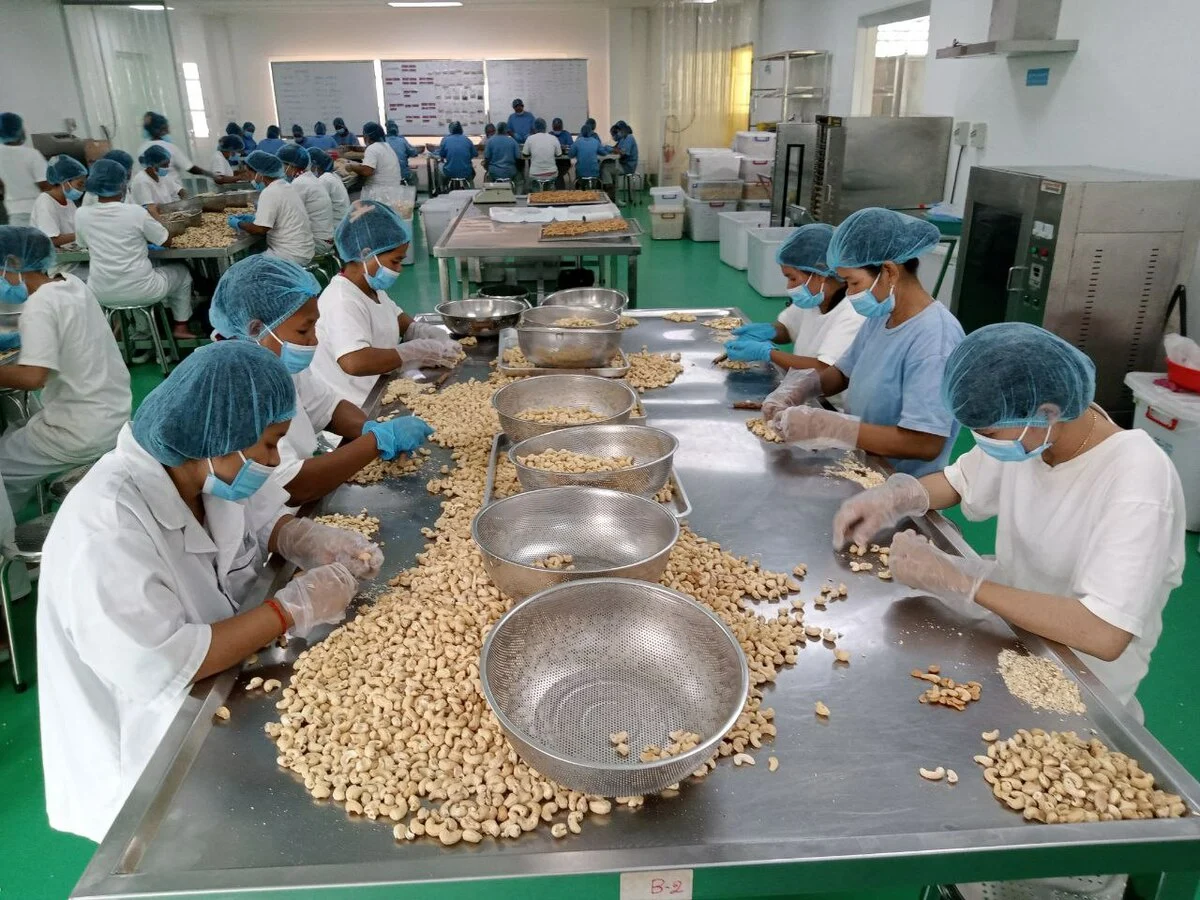
This projected growth is primarily underpinned by continued strong export performance in key sectors, including garment manufacturing, non-garment manufacturing, and agriculture. Furthermore, a steady flow of foreign direct investment (FDI) is expected to contribute positively. Conversely, certain sectors are experiencing headwinds, with tourism continuing its decline, and the construction and real estate sectors remaining notably weak.
Adding to the external challenges, the United States Trade Representative (USTR) recently imposed a 10% tariff on Cambodian goods, effective July 23. This tariff rate is comparable to those applied to some regional competitors like Bangladesh, Indonesia, Malaysia, and Pakistan, though it remains lower than the 12.5% imposed on countries such as the Philippines, Thailand, and Vietnam.
Despite these hurdles, Governor Chea Serey emphasized the Cambodian economy’s resilience. She stated, “Cambodia achieving growth at a level between 3% and 4% is considered a testament to the economy’s ability to withstand crises.”
The National Bank of Cambodia remains steadfast in its active support of government policies. This includes a commitment to maintaining macroeconomic stability, ensuring financial stability, and fostering overall economic activity. Governor Serey noted that the sustained stability of the exchange rate has been instrumental in safeguarding the purchasing power of the Cambodian Riel, partially mitigating inflationary pressures, and providing a crucial anchor for economic stability. Moreover, the robust accumulation of international reserves further bolsters the effectiveness of exchange rate policies and reinforces investor confidence in the Cambodian economy.
However, the high degree of dollarization within the economy presents a limitation. It restricts the full efficacy of monetary policy in curbing inflationary pressures, necessitating a primary reliance on fiscal policy measures.
Cambodia’s economic outlook has also been subject to scrutiny from other international financial institutions. In early July, the International Monetary Fund (IMF) revised its 2026 growth projection for Cambodia downwards from 4% to just 3%, although it anticipates a rebound to 4% in 2027. In contrast, the Asian Development Bank (ADB) forecasts Cambodia’s economy to grow by 4.1% in 2026 and 4.7% in 2027. The ASEAN+3 Macroeconomic Research Office (AMRO) maintains a slightly higher projection of 4.2% for Cambodia’s economic growth this year.