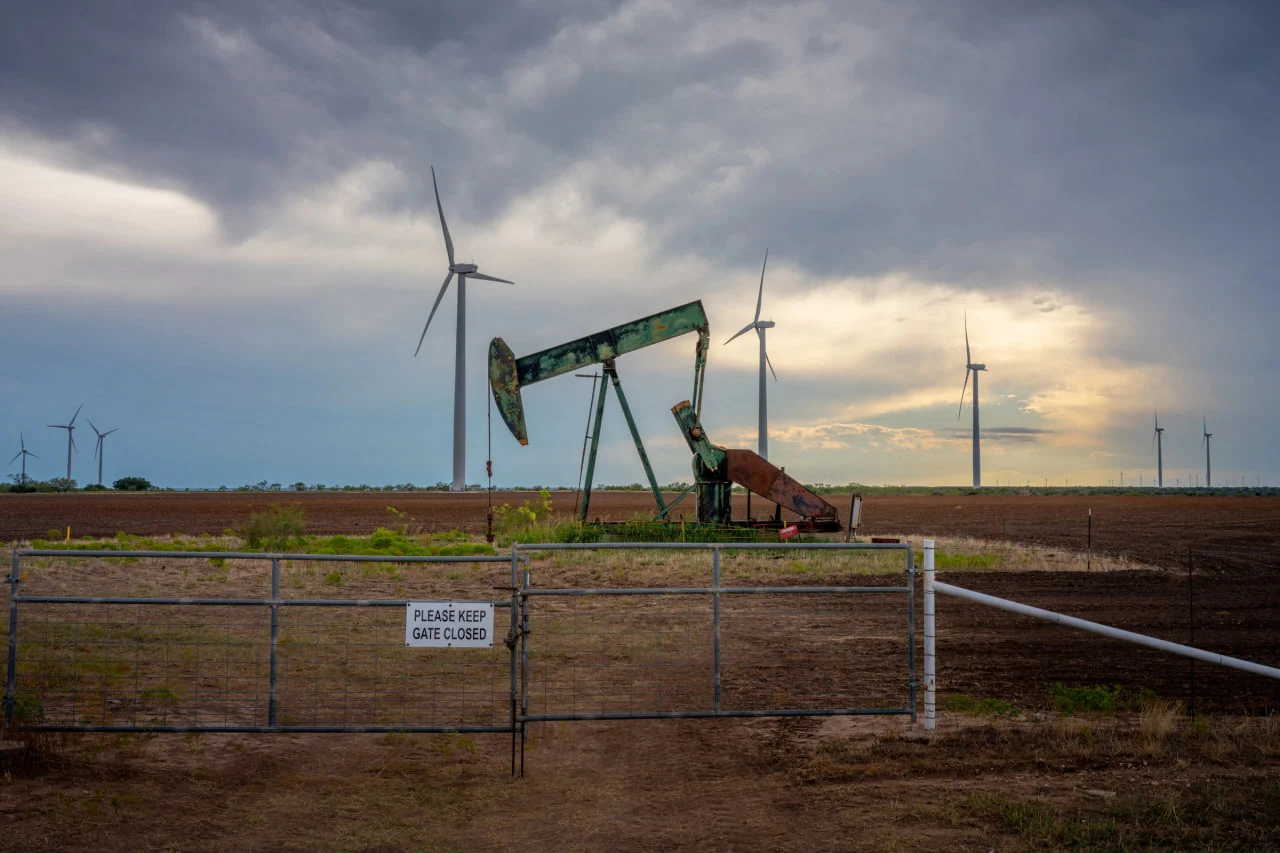
During discussions with then-President Donald Trump, Chinese President Xi Jinping conveyed a significant interest in augmenting China’s oil imports from the United States. This assertion was confirmed by the White House following their engagement.
A summary of the May 14 discussions held in Beijing indicated that the Chinese leader’s intention to purchase more American oil was primarily driven by a strategic objective: to lessen China’s reliance on energy supplies that traverse the Strait of Hormuz, a critical maritime chokepoint currently experiencing heightened geopolitical tensions.
Despite this, official statements from the Chinese side concerning the meeting did not directly address the specifics of oil purchases. While the complex situation in the Middle East was indeed a topic of discussion, China’s Ministry of Foreign Affairs had not, at the time, issued any specific comment regarding this particular aspect of the trade.
It is important to note that China stands as the world’s largest importer of crude oil. However, the United States has historically not been a primary supplier to the Chinese market. Even during its peak in 2020, US oil imports by China amounted to approximately 395,000 barrels per day, representing less than 4% of China’s total crude oil import volume.
By 2024, prior to former President Trump’s anticipated return to the White House, the volume of US oil imports to China had reportedly declined significantly to approximately 193,000 barrels per day, with an estimated value of $6 billion. Furthermore, from May 2025 onwards, Chinese traders reportedly ceased all purchases of American crude oil. This suspension followed Beijing’s decision to implement a 20% import tariff, a retaliatory measure against tariff increases imposed by the Trump administration.
The global energy supply landscape has faced substantial challenges since a conflict erupted in the Middle East in late February. This conflict led to the blockade of the Strait of Hormuz, a critical maritime passage. Such disruptions had a considerable impact, affecting an estimated 20% of global oil production and subsequently driving crude oil prices significantly higher.
Both President Xi Jinping and then-President Donald Trump reportedly concurred on the imperative of reopening the Strait of Hormuz to guarantee the unhindered flow of global energy supplies.
Following the conclusion of their discussions, China’s Ministry of Foreign Affairs announced that both nations had reached an agreement to forge a ‘constructive strategic stable relationship.’ Concurrently, Mr. He Yongqian, spokesperson for China’s Ministry of Commerce, reiterated the country’s readiness to expand bilateral cooperation and address significant existing issues, aiming to foster an improvement in overall economic and trade relations.
The White House also characterized the meeting as productive, noting that both parties engaged in discussions regarding measures to bolster economic cooperation. These discussions encompassed opening the Chinese market to American companies and potentially increasing Chinese investment within various US industrial sectors.