
The Office of the United States Trade Representative (USTR) has officially announced that a 25% tariff will be applied to a selection of imported goods from Brazil, with implementation scheduled to begin on July 22. This move signals a significant development in the trade relationship between the two nations.
However, the USTR has specified certain exemptions from these new tariffs. Goods that the United States cannot produce domestically, or those whose taxation could potentially disrupt crucial supply chains, will not be subject to the new levy. This includes essential commodities such as coffee, beef, oranges, orange juice, petroleum energy products, and various parts and components within the aerospace sector.
This decision follows an extensive one-year investigation by the United States. The 25% tariff on Brazilian products is being imposed under the authority of Section 301 of the Trade Act of 1974. The USTR’s investigation concluded that several of Brazil’s current policies have had a detrimental impact on U.S. trade interests. These policies include Brazil’s approach to digital trade, customs regulations, intellectual property rights, market access for ethanol, and significant concerns regarding deforestation.
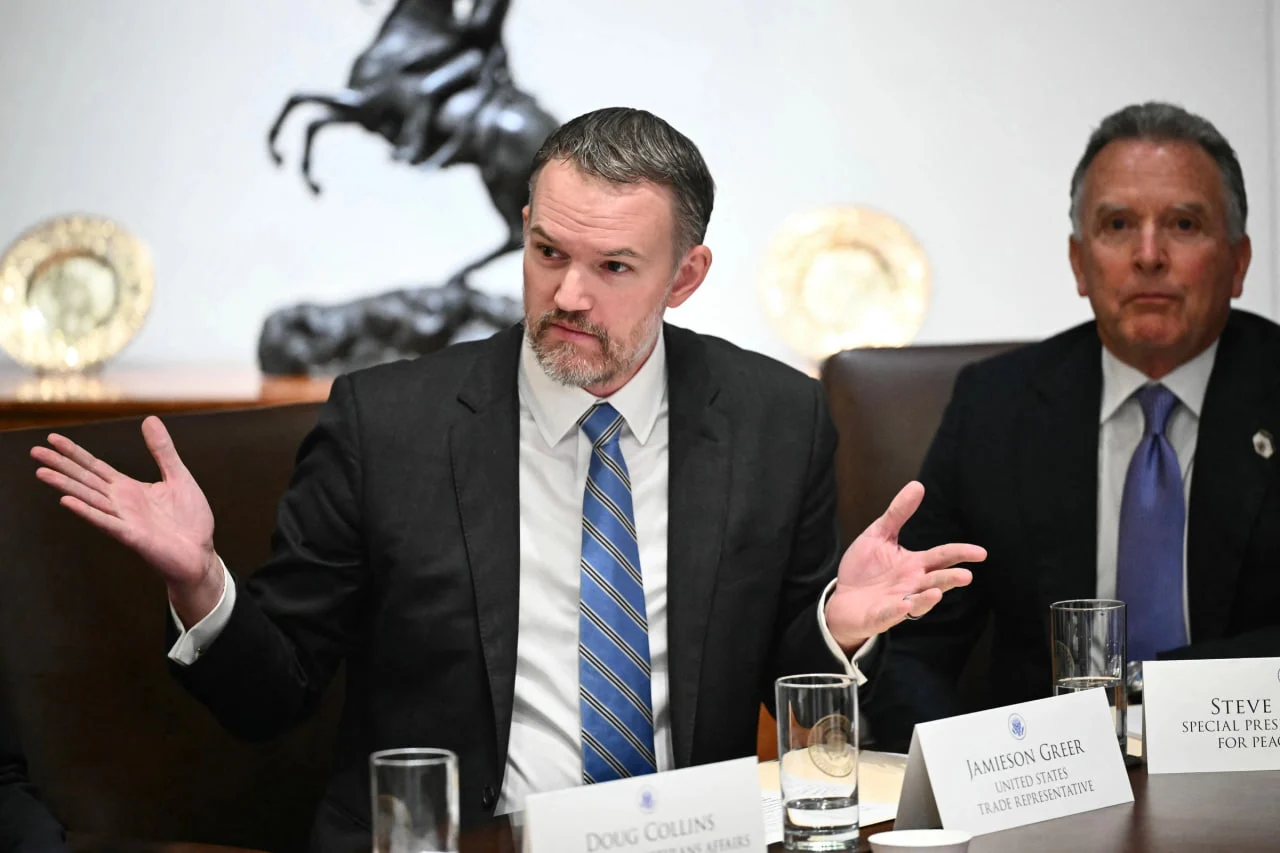
On July 15, US Trade Representative Jamieson Greer underscored the necessity of this action, stating that it is “absolutely crucial to ensure that American workers and businesses can compete on a level playing field.” Greer further elaborated that despite a year of negotiations with Brazil, these pressing issues have remained unresolved. Nevertheless, he affirmed that the U.S. remains open to further discussions and potential future negotiations to find a resolution.
Brazil, which holds the distinction of being the world’s tenth-largest economy, marks the first country to be targeted under this specific Section 301 tariff strategy by the administration of US President Donald Trump. US Senator Marco Rubio also vocalized his criticism, alleging that the Brazilian government had not engaged in transparent and honest negotiations with the United States.
In a related context, last year, President Trump had previously levied substantial tariffs, reaching up to 50%, on certain Brazilian goods. This earlier measure was reportedly a protest against the sentencing of former Brazilian President Jair Bolsonaro. Most of those tariffs, including those on beef and coffee, were subsequently withdrawn. However, by February, the US Supreme Court had ruled that some retaliatory tariffs imposed by the Trump administration under the International Emergency Economic Powers Act (IEEPA) were unlawful.
Currently, Brazilian goods are still subject to an additional 10% tariff, which is slated to expire later this month. Brazil stands as the 15th largest trading partner for the United States, and the bilateral trade relationship has consistently shown a trade deficit for many years from the US perspective. For instance, in 2025, exports from Brazil to the U.S. reportedly decreased by 6.6%, totaling $37.72 billion. Conversely, imports from the U.S. to Brazil saw an increase of 11.3%, reaching $45.25 billion.