Recent discussions across social media platforms have brought attention to the term ‘Khmer baby products,’ particularly concerning certain Cambodian online merchants. These products, despite their local branding efforts, are frequently sourced from abroad, specifically from countries like China, Korea, Vietnam, and Malaysia.
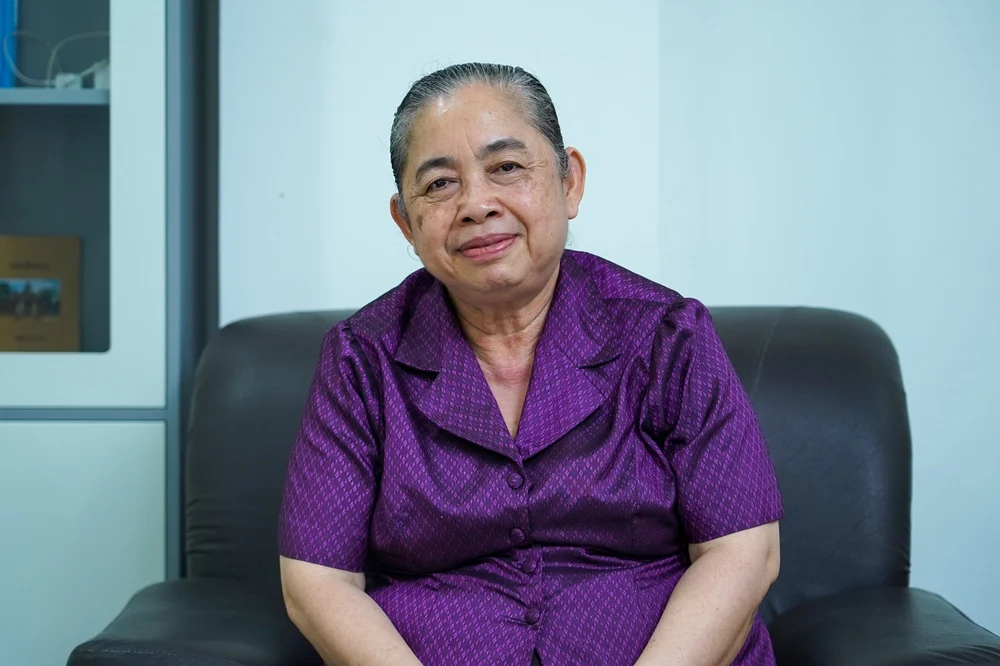
Addressing this matter, Dr. Prum Tevy, a distinguished economic researcher at the Royal Academy of Cambodia, has provided a clear perspective. She firmly stated that merely importing finished goods—such as facial lotions, body lotions, or any other merchandise—and subsequently repackaging and rebranding them under a local label does not contribute to the nation’s Gross Domestic Product (GDP).
Gross Domestic Product (GDP) is fundamentally understood as the total monetary value of all goods and services produced within a country’s borders over a specific period. These goods and services are intended either for domestic consumption or for export. Examples typically include locally grown rice, manufactured garments, and services rendered in sectors like tourism or transportation. The cumulative value of these domestically produced items and services is what constitutes a nation’s GDP.
Dr. Prum Tevy further elaborated, highlighting that a nation’s economic strength is primarily assessed through its GDP, rather than its Gross National Product (GNP). This focus on GDP underscores the importance of products manufactured and services rendered within the country itself. She emphasized that while individuals who import and rebrand foreign lotions or other products may generate personal profit, such activities offer no significant benefit to the national economy as a whole.
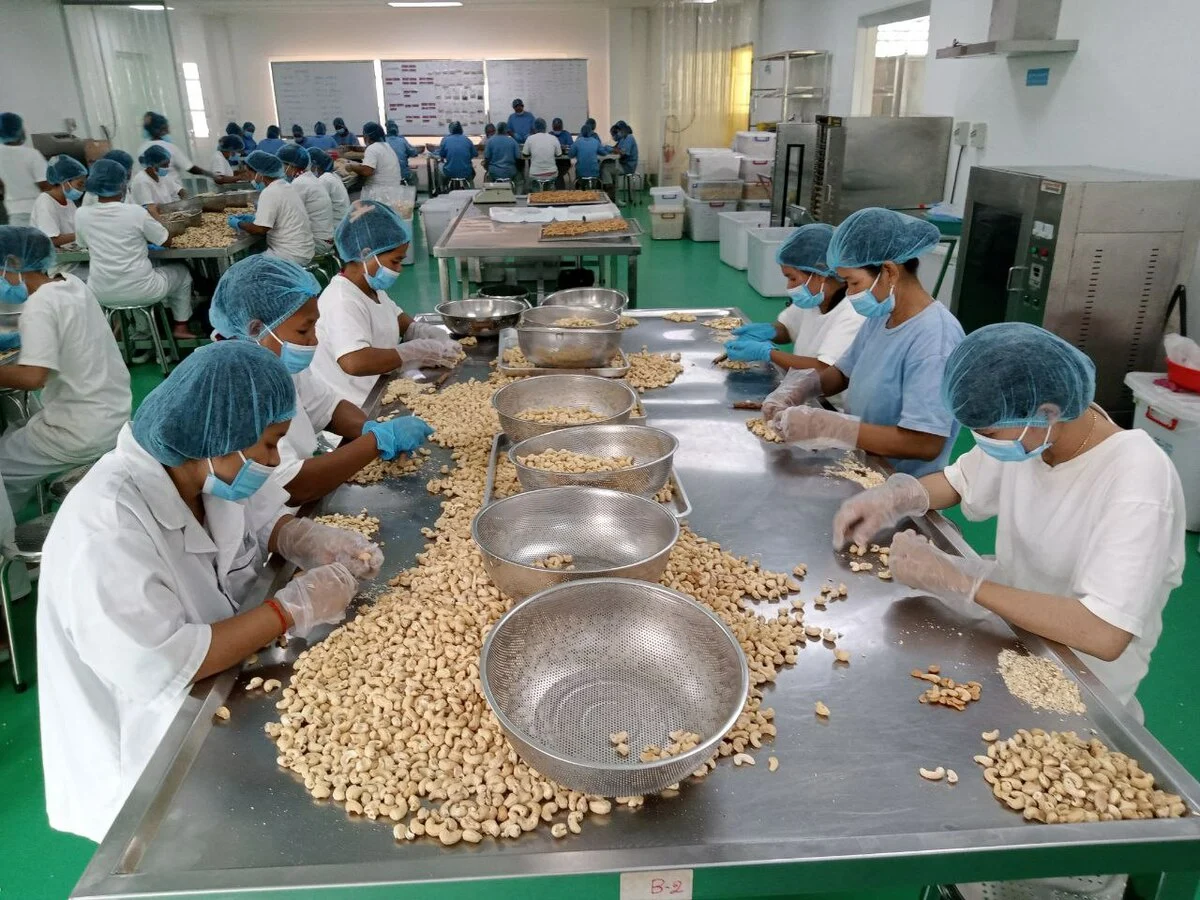
In light of these insights, Dr. Tevy expressed a strong desire to see affluent individuals, particularly those engaged in online commerce, demonstrate their capacity to genuinely bolster the nation’s economy. She advocated for investment in creating authentic local handicrafts or establishing domestic factories. Such initiatives would not only foster local production and employment but also generate crucial value-added within Cambodia’s economic system, from the initial production phase right through to the end consumer, thereby building a more robust and self-reliant economy.