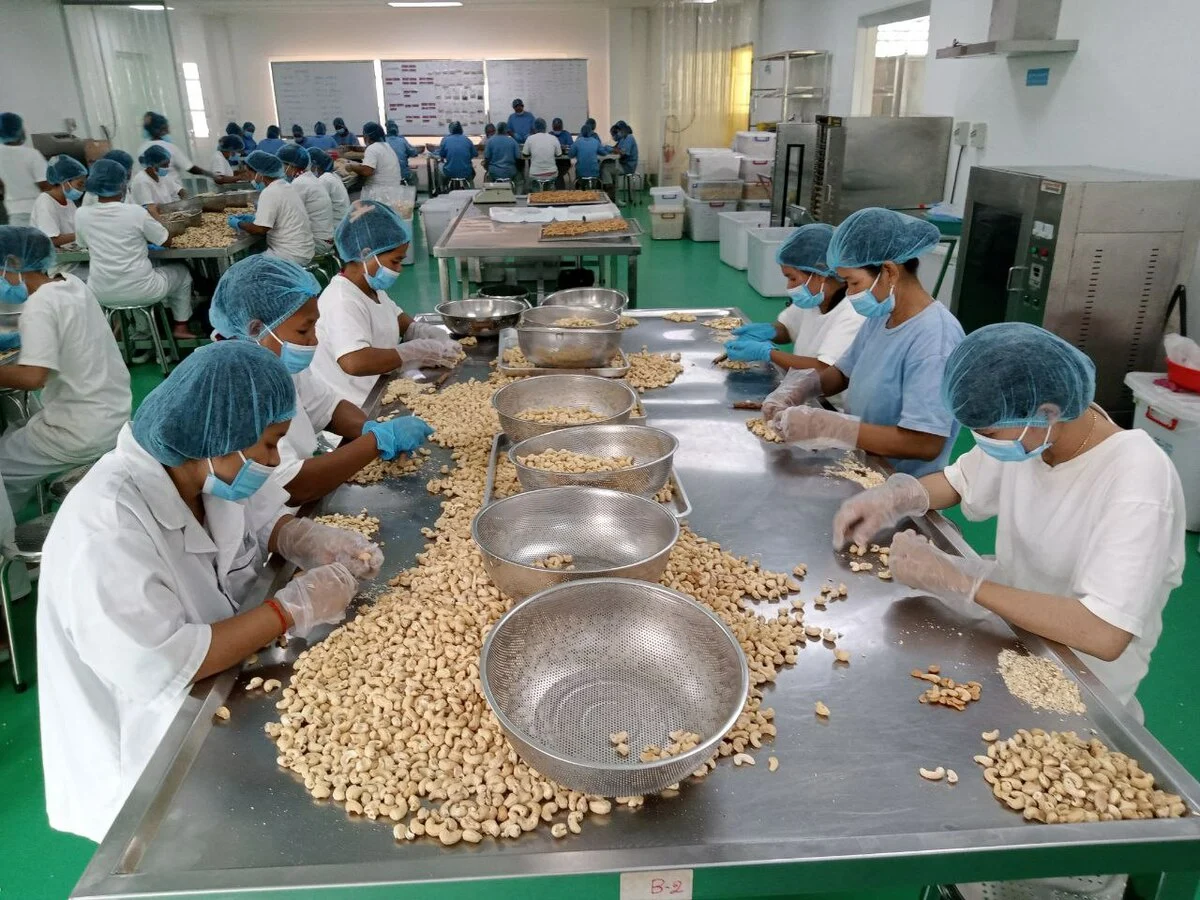
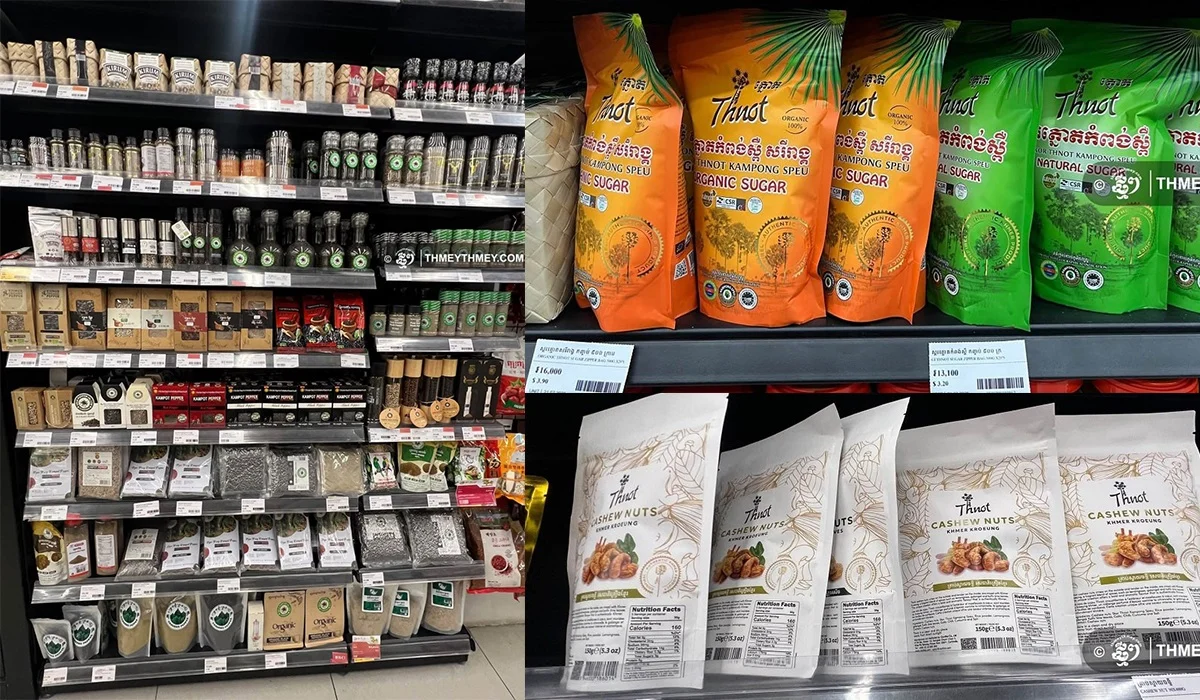
A diverse range of Cambodian-made products, encompassing food items, beverages, household essentials, and personal care products, are experiencing a significant surge in market circulation. These locally produced goods are progressively taking the place of foreign imports, particularly those from neighboring Thailand.
This shift in consumer behavior and market dynamics traces back to a pivotal moment. The date of July 24, 2026, marks the one-year anniversary of a significant event where Thai military forces engaged in actions perceived as an infringement on Cambodia’s sovereignty. This incident profoundly stirred nationalistic sentiment among Cambodians, fostering a collective resolve to boycott Thai products and instead champion the consumption of domestically produced goods.
In the year following this period, despite initial constraints within local production chains, small and medium-sized enterprises (SMEs) have shown remarkable resilience. They have diligently strived to manufacture a wider variety of goods, ensuring their quality meets market demands. Concurrently, relevant ministries and institutions are actively continuing to promote domestic production initiatives. The objective is to bridge any existing market gaps and reduce reliance on foreign commodities.
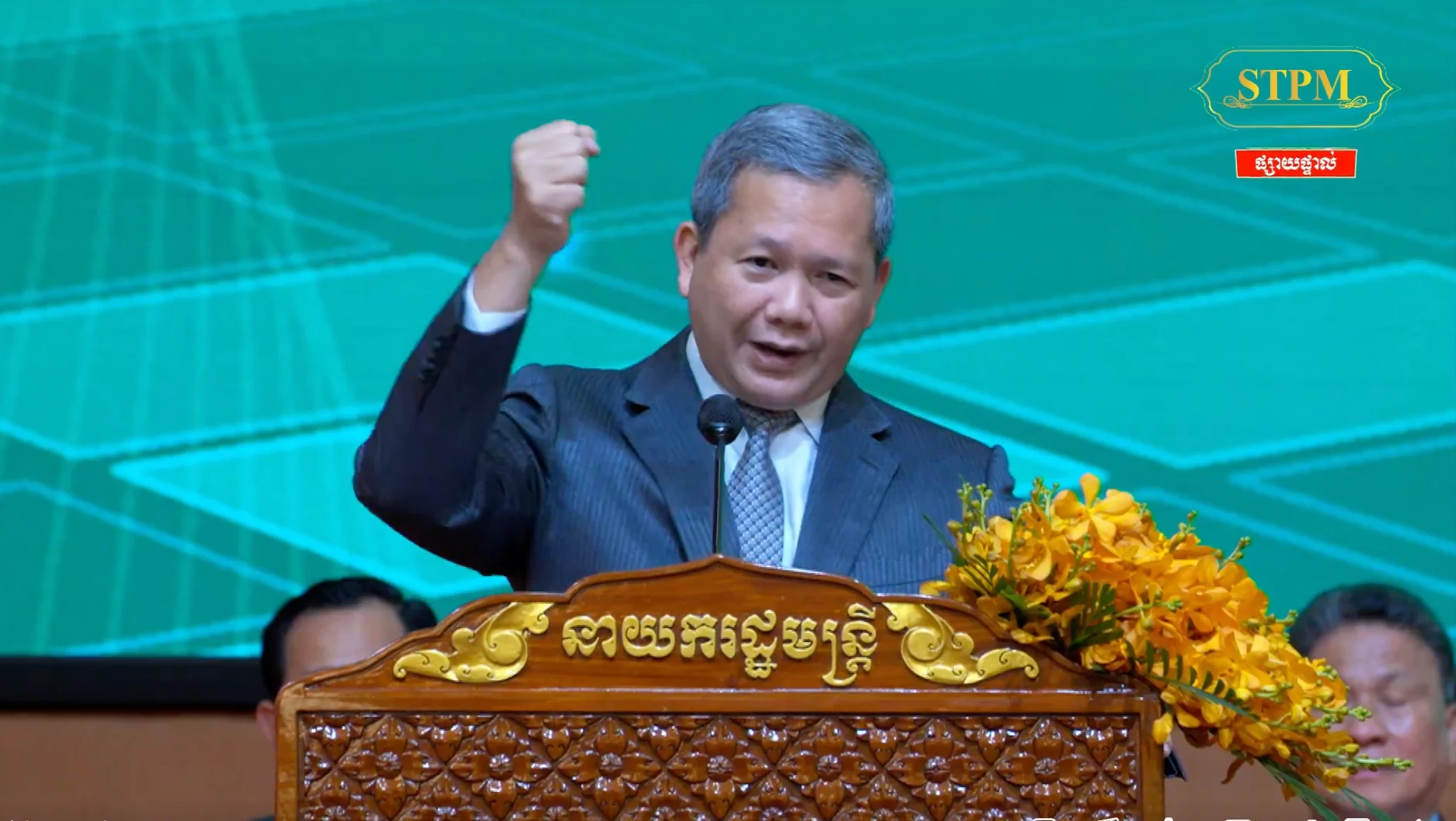
Mr. Pen Sovicheat, spokesperson for the Ministry of Commerce, articulated the nation’s strategic vision. He stated, ‘Incrementally, we are transforming these domestically produced items into attractive options for local consumers. This strategic approach aims to expand our market share and ultimately substitute foreign products, especially those originating from Thailand.’ Cambodia’s primary goal, he emphasized, is to bolster small and medium-sized enterprises, empowering them to produce a wide array of food, beverages, daily necessities, kitchen supplies, and other consumer goods for sale in both traditional and modern markets nationwide.
Through the ‘Cambodian Product’ campaign, spearheaded by the Ministry of Commerce, numerous local goods have garnered widespread recognition and are now extensively integrated into daily life. As of July, a total of 642 modern supermarkets and organized markets across the country have actively participated in this initiative. This figure represents 59 percent of all such markets nationwide, indicating significant traction. Mr. Sovicheat highlighted that ‘Cambodian products displayed in these markets are of good quality and reasonably priced, allowing us to further boost production volumes.’ He concluded by appealing to all segments of the population to continue their collective support and utilization of Cambodian-made products.