The Cambodian government is actively preparing a significant infrastructure project: the development of Road No. 78.5. This strategic route will extend from Banlung City in Ratanakiri province directly to the ‘Dragon’s Tail,’ a crucial tri-border area shared by Cambodia, Laos, and Vietnam. Prime Minister Hun Manet recently confirmed these plans, indicating that the ambitious project could commence implementation within the next two to three years.
The ‘Dragon’s Tail’ tri-border area represents a unique international border intersection involving Cambodia, Laos, and Vietnam, geographically situated within Cambodia’s Ratanakiri province. According to Prime Minister Hun Manet, this specific location remains largely inaccessible by land directly from Cambodia. Currently, Cambodian citizens wishing to reach the ‘Dragon’s Tail’ must transit through Vietnamese territory. This new road aims to change that.
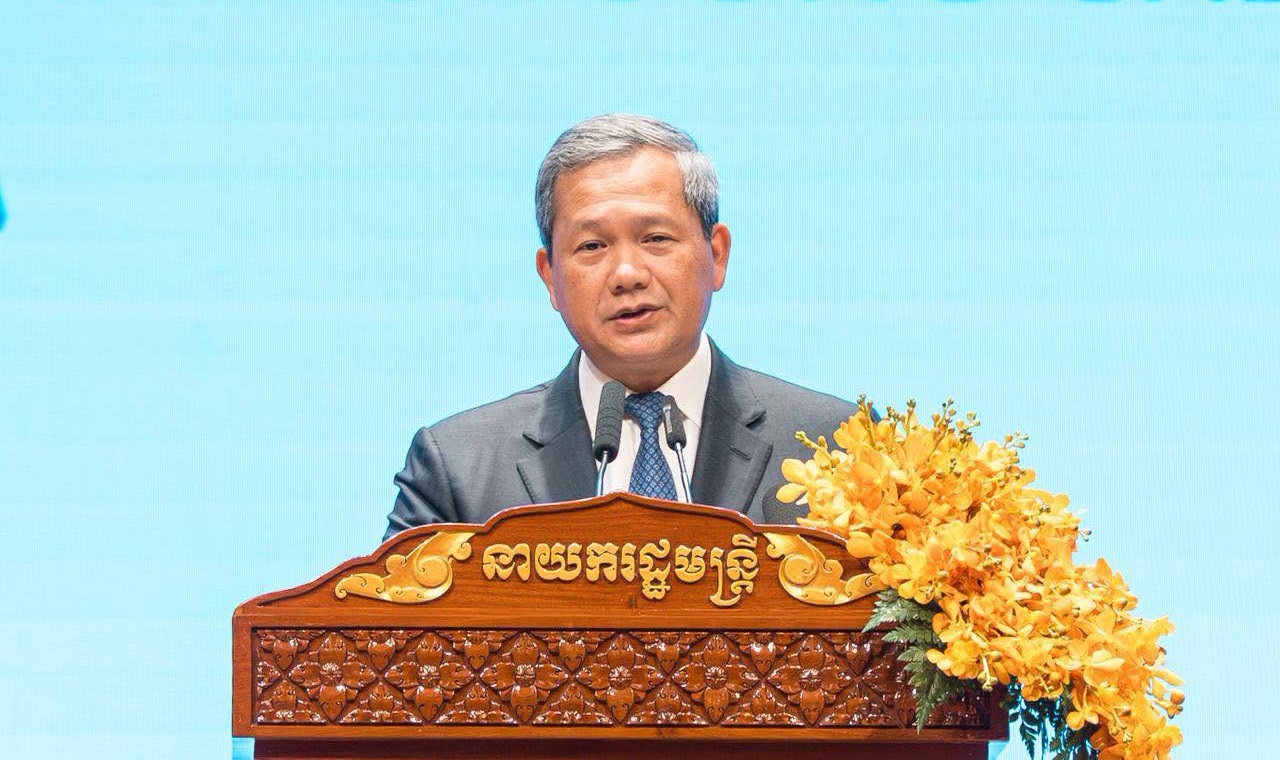
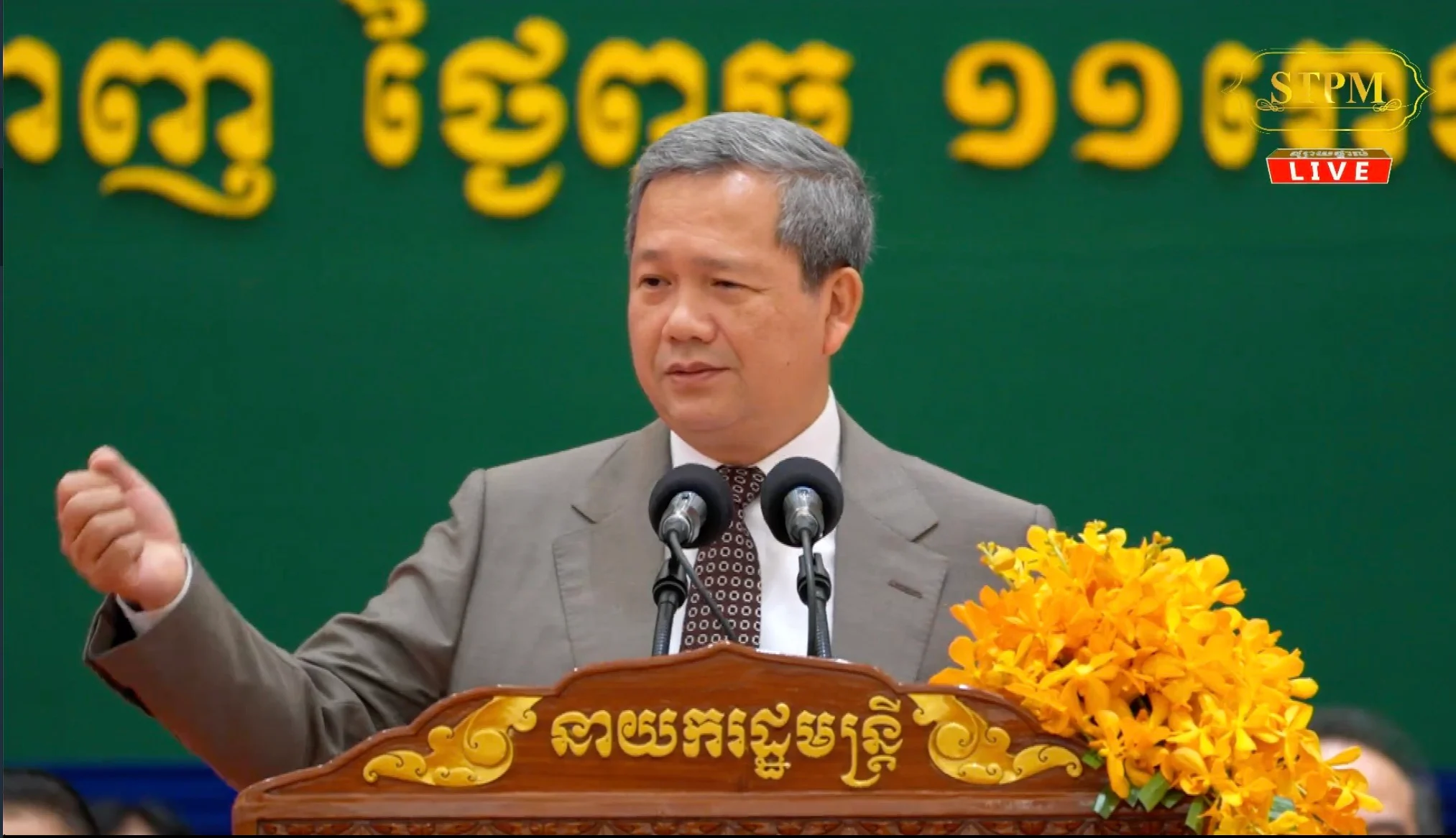
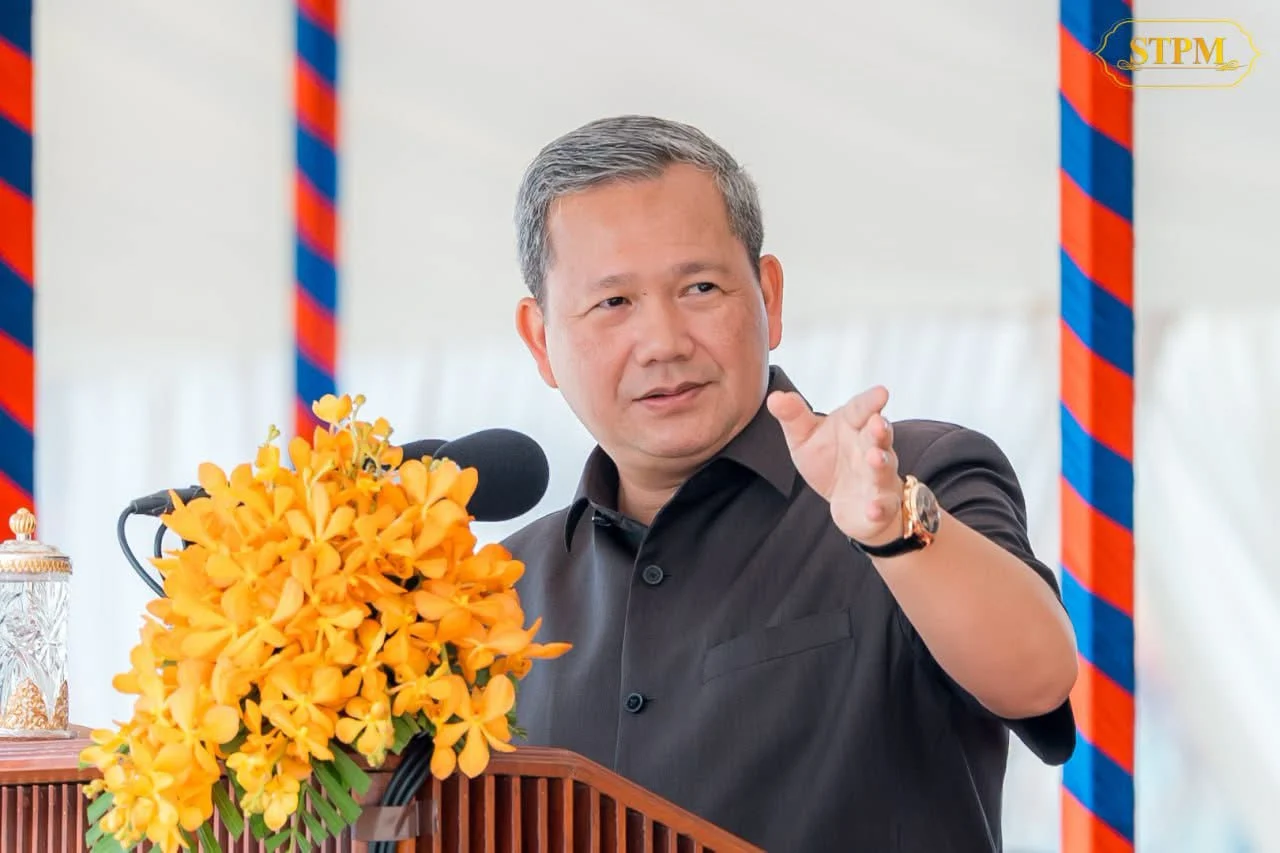
Prime Minister Hun Manet has previously issued a directive to General Kvan Seam, Deputy Commander-in-Chief of the Royal Cambodian Armed Forces and Commander of the Engineering Command, tasking him with the development of a direct road to the ‘Dragon’s Tail’ tri-border area. During an official inauguration ceremony for various achievements in Stung Treng city on the morning of August 12, Prime Minister Hun Manet emphasized the critical importance of this endeavor. ‘We must overcome all obstacles to construct this road, regardless of its length or winding nature, to ensure that direct access from Cambodian soil reaches the Dragon’s Tail,’ the Prime Minister stated. He added that this would allow Cambodian citizens to visit this strategic tri-border point without needing to pass through the territories of other nations, emphasizing a direct route from Cambodia. This initiative, which includes the development of Road No. 78.5, is part of a broader vision to enhance Cambodia’s internal road network, creating more intricate and effective connections to key regions.
Prime Minister Hun Manet likened roads to the ‘blood vessels’ of a body, explaining that just as blood nourishes organs, roads extending to markets nourish economic activity in those areas. He elaborated that where roads reach, communities thrive, people engage in business, establish livelihoods, and create new settlements. Beyond economic and social benefits, this infrastructure development also serves a crucial role in national defense.
Nhem Sam Oeun, the Governor of Ratanakiri Province, echoed this sentiment, suggesting that this strategic road leading to the ‘Dragon’s Tail’ region could be completed relatively soon. He specified that the road will span approximately 110 kilometers, originating from Border Post No. 30 at the O’Yadav international checkpoint and extending directly towards the ‘Dragon’s Tail’ tri-border area.
Governor Nhem Sam Oeun previously highlighted the significant tourism potential of the ‘Dragon’s Tail’ once direct road access is established. He anticipates that the area, with its magnificent forested mountains and pristine natural environment, will transform into a novel tourist destination for Cambodia.