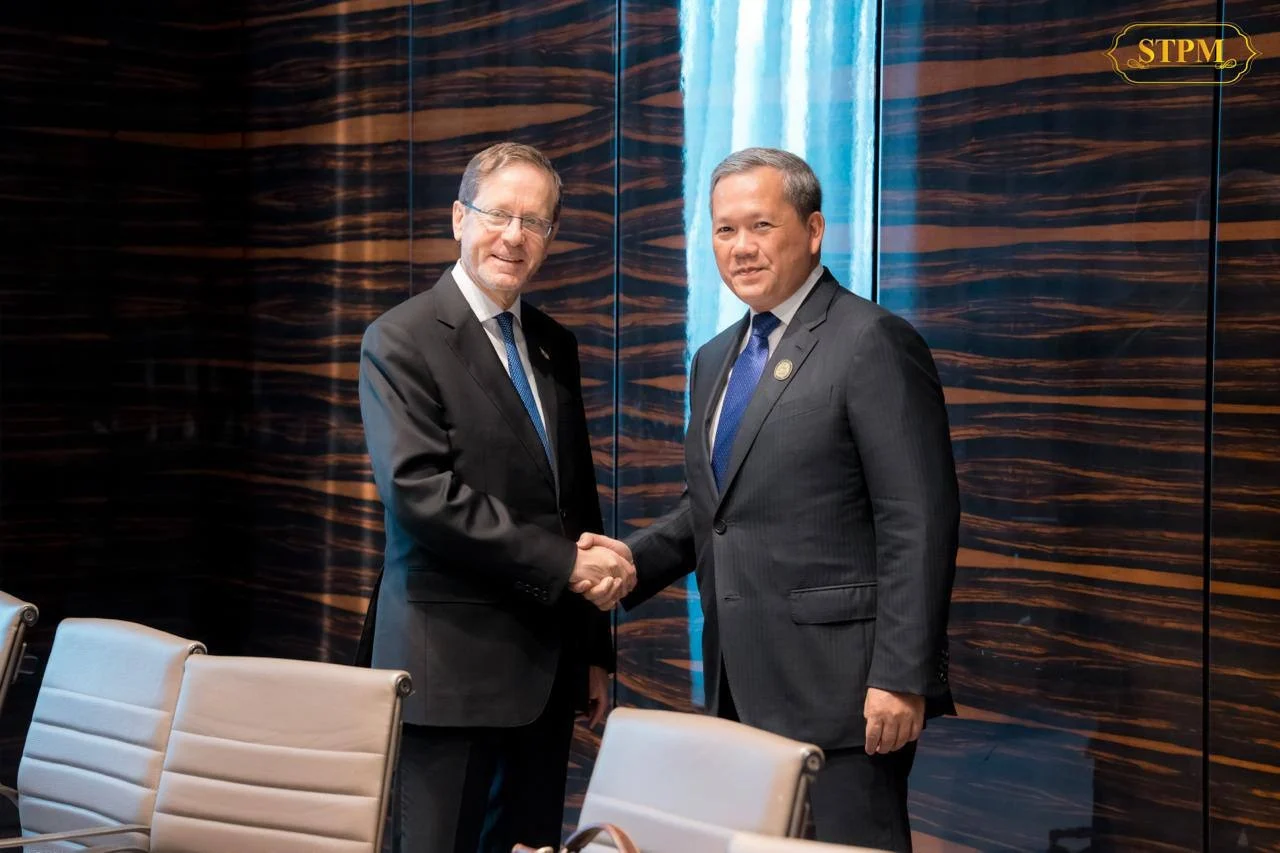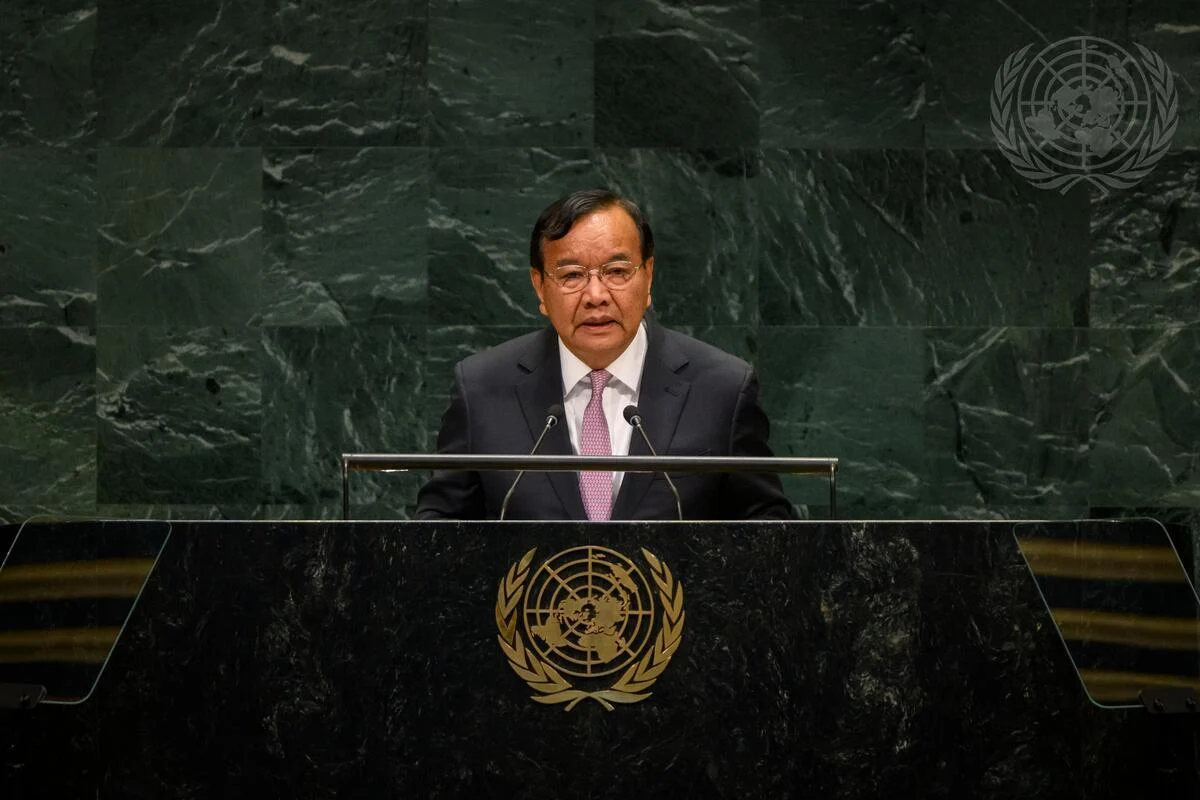
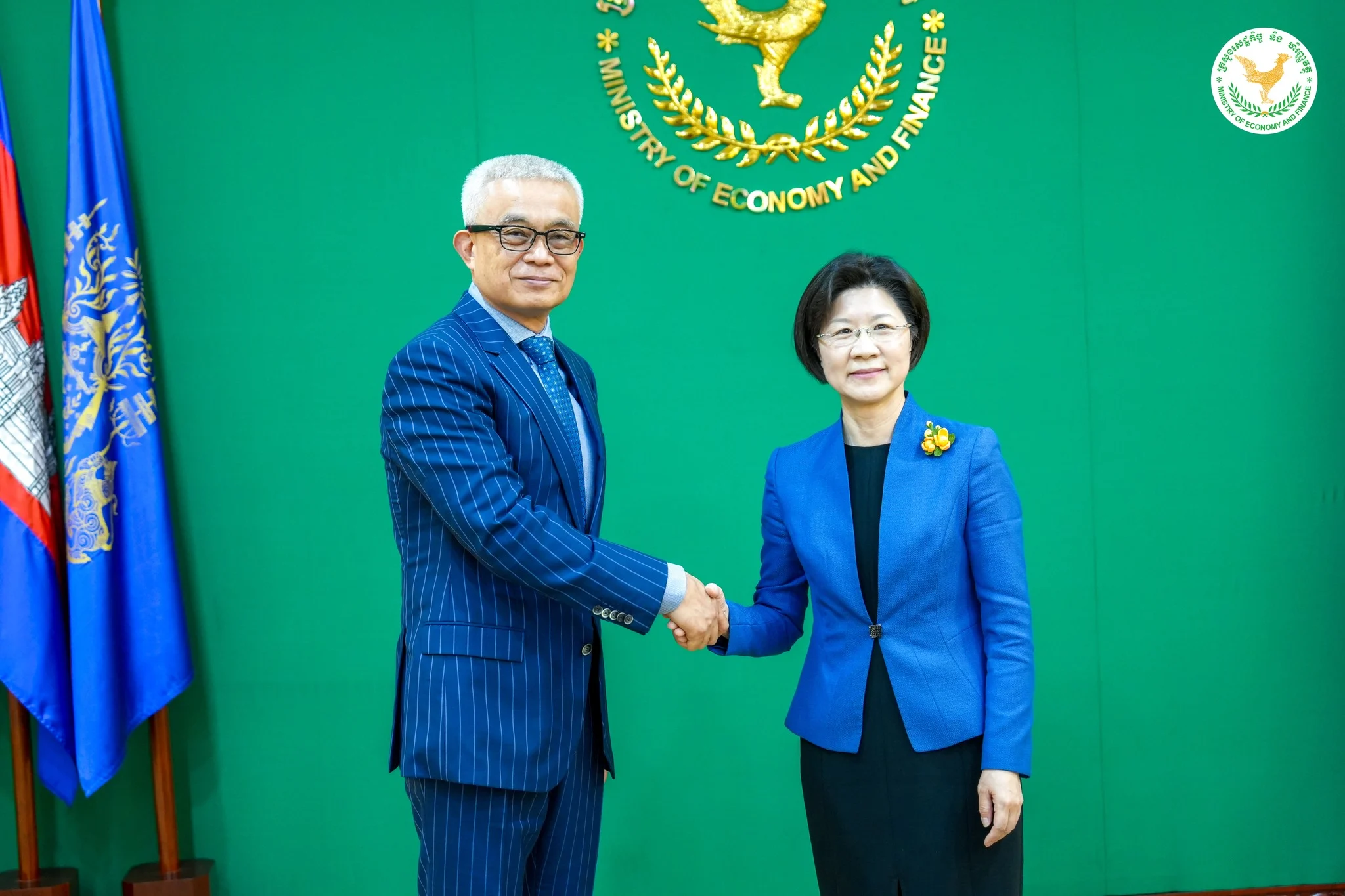
Phnom Penh, Cambodia – China’s General Administration of Customs has actively encouraged Cambodia to significantly increase its exports of key agricultural products, particularly bananas and durians, to the Chinese market. This message was conveyed by Ms. Sun Meijun, Minister of the General Administration of Customs of the People’s Republic of China, during a recent meeting with Cambodian Deputy Prime Minister and Minister of Economy and Finance, Aun Pornmoniroth.
The high-level discussion took place on June 3 at the Ministry of Economy and Finance in Phnom Penh. The meeting was part of Ms. Sun Meijun’s visit to Cambodia, where she participated in the 24th China-ASEAN Customs Directors-General Dialogue, hosted by Cambodia from June 2-4. The dialogue served as a crucial platform for enhancing customs cooperation and trade facilitation between China and ASEAN member states.
During her engagement with Deputy Prime Minister Aun Pornmoniroth, Minister Sun Meijun highlighted the successful outcomes of the 24th China-ASEAN Customs Dialogue. She also underscored the importance of the recently signed Mutual Recognition Arrangement (MRA) for the Authorized Economic Operator (AEO) program between the Cambodian and Chinese customs administrations. This agreement is expected to streamline customs procedures and enhance trade security between the two nations.
Minister Sun Meijun further emphasized China’s commitment to facilitating import procedures for Cambodian agricultural products entering the Chinese market. She specifically encouraged a greater volume of exports for produce such as bananas and durians from Cambodia to China. To support this objective, she urged Cambodia to accelerate the implementation of its national single window system and the electronic exchange system for certificates of origin. Additionally, China offered its support for Cambodia’s smart customs cooperation initiatives, aiming to achieve mutual benefits and accelerate bilateral trade.
Deputy Prime Minister Aun Pornmoniroth expressed profound appreciation for China’s unwavering support in Cambodia’s economic development and trade facilitation efforts. He particularly acknowledged the technical assistance provided by China’s customs administration in various areas, including customs technical work, trade facilitation measures, human resource capacity building, and institutional development. The Deputy Prime Minister also commended China’s initiatives in smart customs and artificial intelligence, which are vital for strengthening regional connectivity for Cambodia, China, and other ASEAN members.
Under the framework of the Cambodia-China Free Trade Agreement (CCFTA), Deputy Prime Minister Aun Pornmoniroth noted a remarkable growth in the bilateral trade volume between the two countries. Both sides discussed further efforts to sustain and boost this trade relationship, especially in a global environment marked by geopolitical tensions, armed conflicts, economic volatility, and rising protectionism, all of which negatively impact trade, socio-economic stability, and daily livelihoods.
According to statistics from the General Department of Customs and Excise of Cambodia, the total trade volume between Cambodia and China reached an impressive $7.172 billion from January to April, marking a substantial 26 percent increase compared to the same period in the previous year. During this period, Cambodian exports to China amounted to $583 million, growing by 21.8 percent, while imports from China saw an increase of approximately 26 percent.
Beyond fresh bananas and durians, numerous other Cambodian products are authorized for export to the vast Chinese market. These include Pailin longan (both fresh and dried), mangoes, coconuts, rice, dried cassava and cassava flour, cashew nuts, corn, and pepper. Furthermore, Cambodian bird’s nest is currently in the final stages of regulatory approval for export to China, promising another significant addition to the trade portfolio.