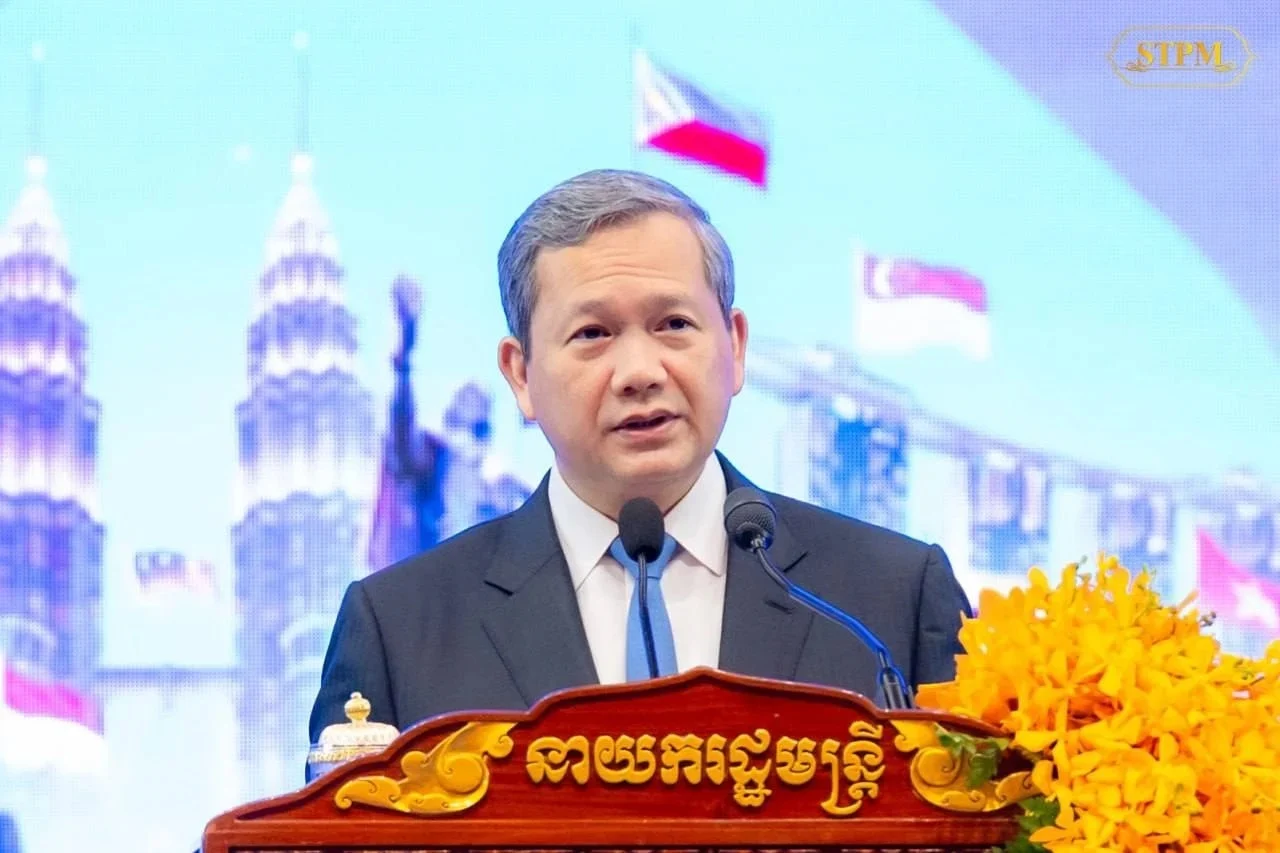
Phnom Penh: Cambodia is proactively enhancing its trade engagement and strategic partnerships with key global economies, notably the United States and China. Demonstrating its commitment to further diversify export markets, the nation is actively pursuing membership in the Comprehensive and Progressive Agreement for Trans-Pacific Partnership (CPTPP). This strategic direction was clearly articulated by Prime Minister Hun Manet during his keynote address at the recent ASEAN-Cambodia Business Summit 2026, held in Phnom Penh.
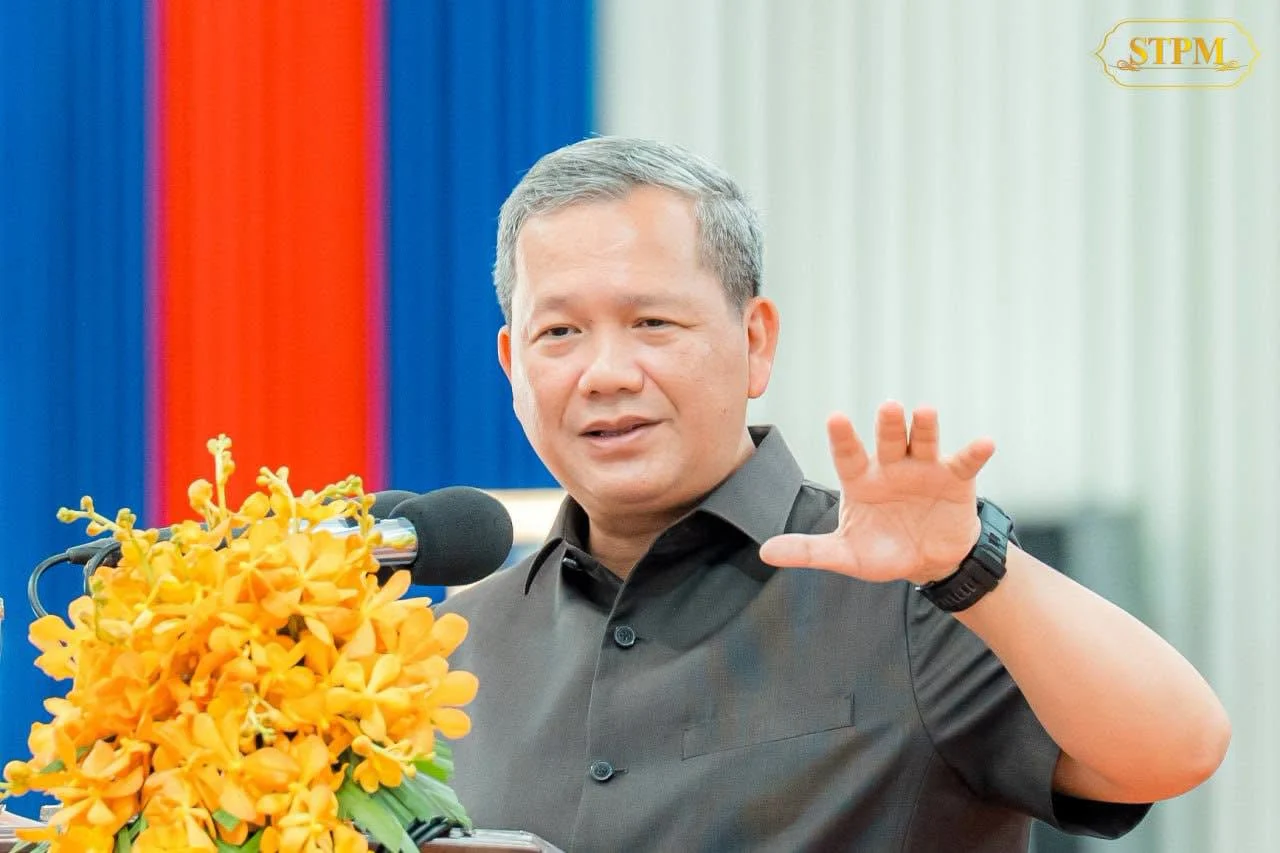
The ASEAN-Cambodia Business Summit 2026, convened on March 4th in the capital city of Phnom Penh, gathered a diverse assembly of distinguished attendees. These included high-ranking officials, ambassadors, representatives from pertinent institutions, members of the ASEAN Business Advisory Council, major international corporations operating across Cambodia and ASEAN, and various sector-specific experts. Throughout the summit, Prime Minister Hun Manet elaborated on the Royal Government’s dedicated efforts to bolster national competitiveness, foster economic resilience, and broaden Cambodia’s penetration into global markets, all with the overarching goal of stimulating robust national economic growth.
Prime Minister Hun Manet underscored Cambodia’s status as an open economy and an active participant in the World Trade Organization (WTO), affirming its deep commitment to integrating within the global trading system. He stated, “Cambodia has consistently and proactively promoted trade relations with crucial partners such as the United States and China. Furthermore, we are advancing negotiations to accede to the CPTPP trade agreement, a move designed to diversify our export markets, heighten our competitive edge, and achieve an even more profound integration into the global economy.”
The CPTPP stands as a pivotal comprehensive and progressive agreement for Trans-Pacific Partnership, forming an influential trade bloc currently comprising twelve member nations: Australia, Brunei, Canada, Chile, Japan, Malaysia, Mexico, New Zealand, Peru, Singapore, Vietnam, and the United Kingdom.
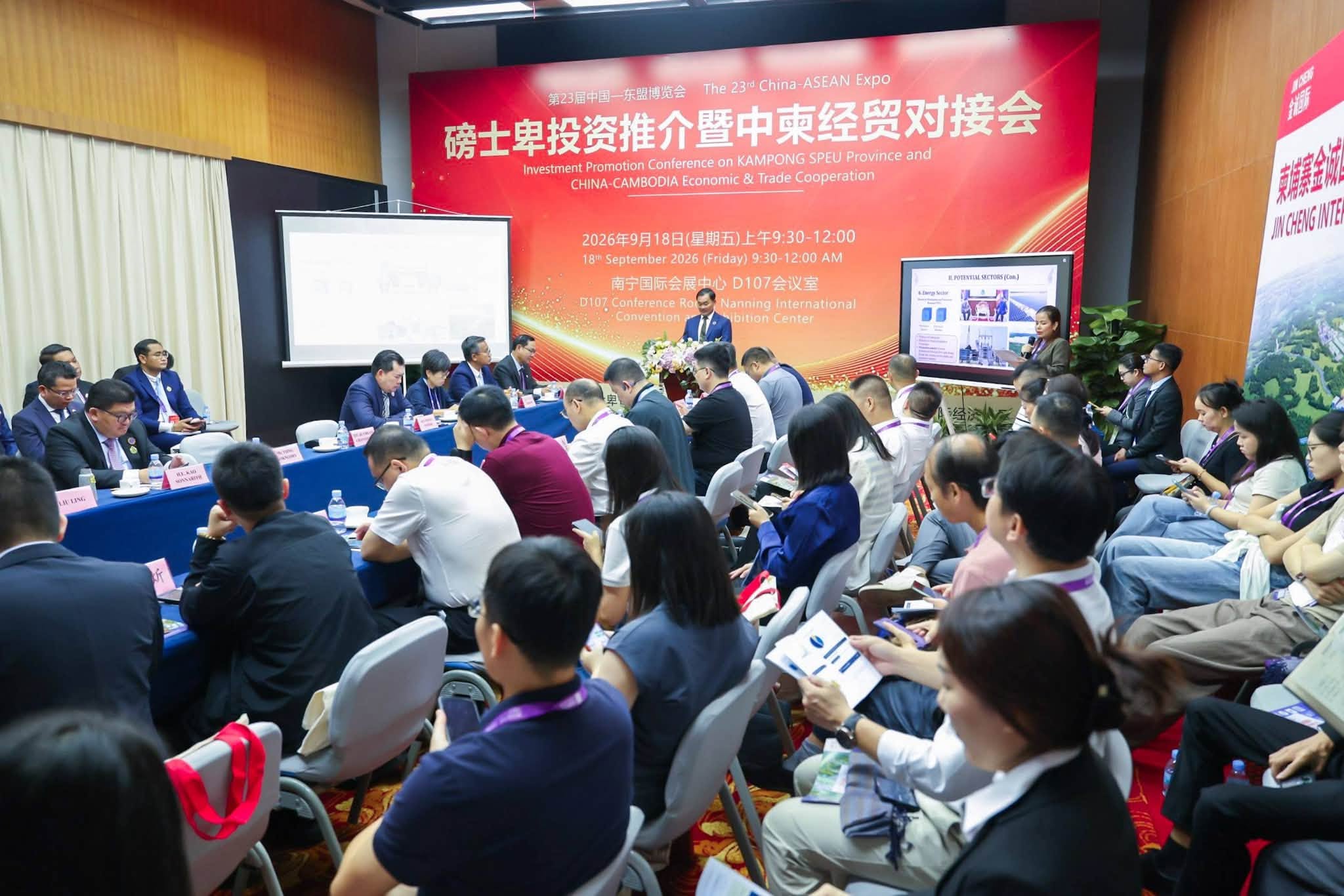
To maximize regional advantages, Cambodia has unveiled a specialized program aimed at attracting and boosting investment across four northeastern provinces—Mondulkiri, Ratanakiri, Stung Treng, and Kratie—for the period spanning 2025 to 2028. This new initiative complements existing special investment programs, such as those already implemented in Preah Sihanouk province. These designated provinces are recognized as strategic locations where the government not only provides robust legal backing but also offers substantial opportunities to investors and businesses, ensuring their resilient and sustained success.
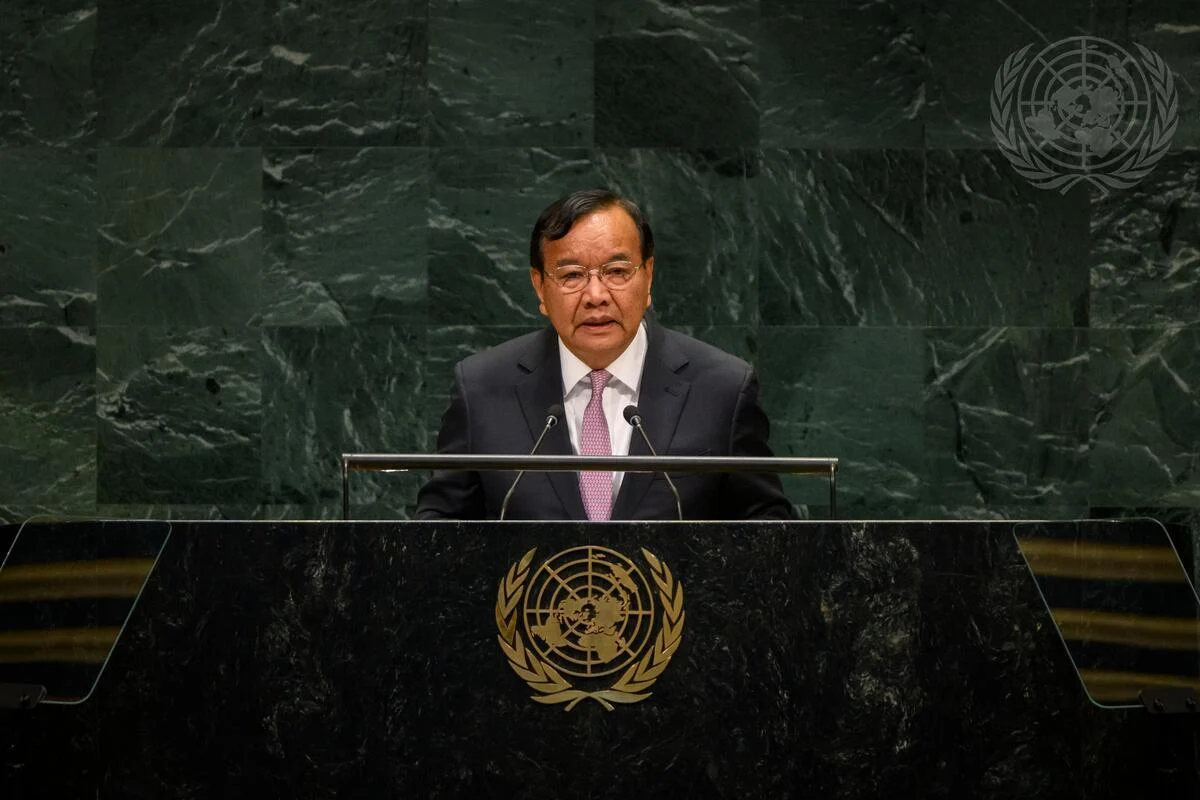
Simultaneously, the continuous development and expansion of regional infrastructure connectivity remain a cornerstone of Cambodia’s strategy. Such infrastructure is fundamental in reducing operational costs for businesses and opening up additional avenues for the private sector. According to Deputy Prime Minister Sun Chanthol, who also serves as the First Vice President of the Council for the Development of Cambodia (CDC), the nation is actively focused on enhancing its logistics capabilities to align with and strengthen its international trade agreements.
Deputy Prime Minister Sun Chanthol highlighted several transformative infrastructure projects as vital catalysts for national economic advancement. These include the operational Phnom Penh-Sihanoukville Expressway and the state-of-the-art Techo International Airport, a 4F-class facility. Additionally, ongoing major developments like the Phnom Penh-Bavet Expressway, the strategically important Funan Techo Canal, and the expansion of the Sihanoukville Autonomous Port are key achievements outlined in the Cambodia Intermodal Transport and Logistics System Master Plan 2023-2033.
Deputy Prime Minister Sun Chanthol affirmed, “Through robust policy reforms, streamlined procedures, and the establishment of highly efficient infrastructure connectivity, Cambodia is strategically positioned to offer investors unparalleled access to global markets, collectively reaching billions of consumers.” This foundational strategy empowers Cambodia to integrate its economic strengths effectively on both regional and global scales.
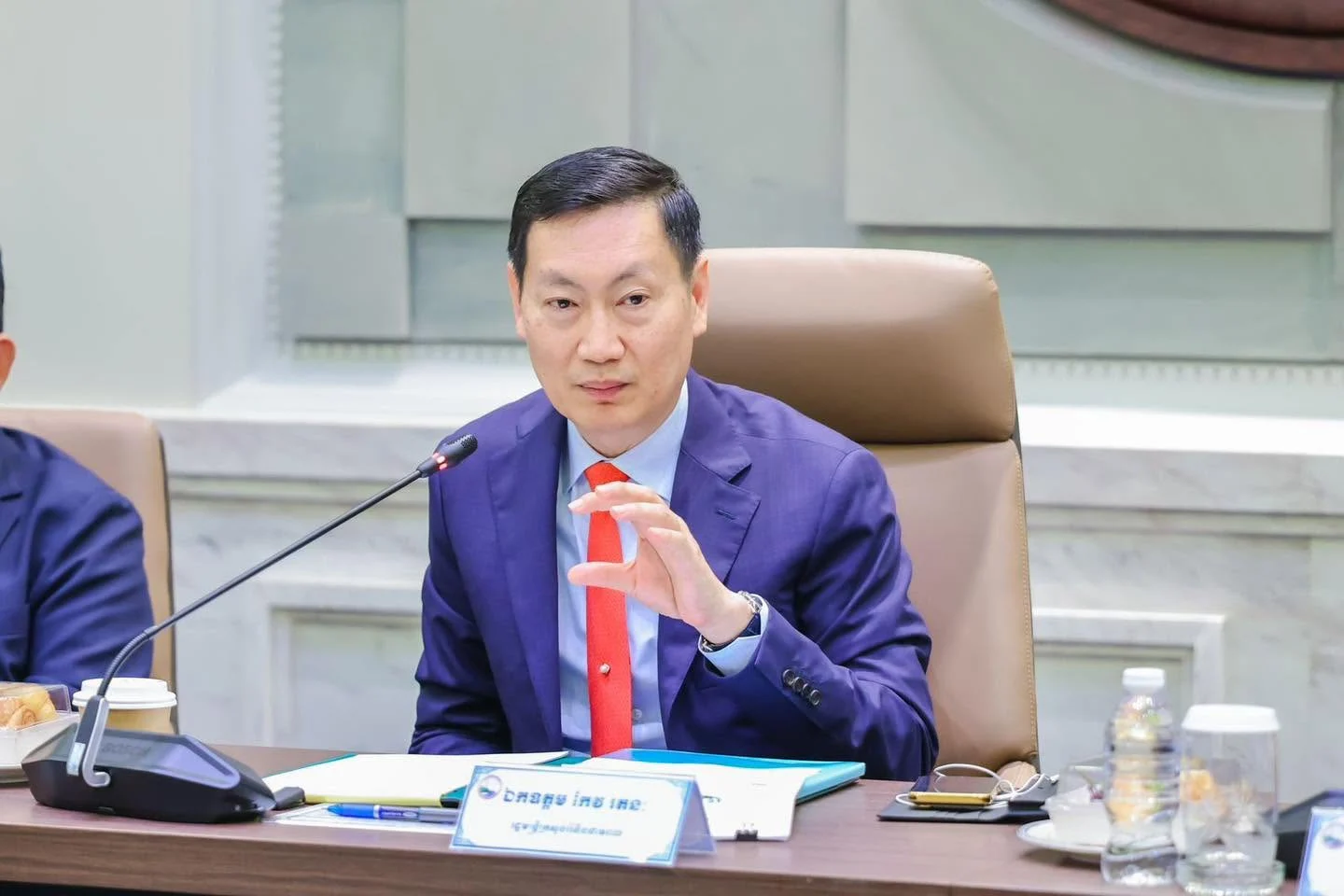
Mr. Kith Meng, Chairman of the ASEAN Business Advisory Council-Cambodia, provided his assessment of Cambodia’s increasingly vital role within the ASEAN bloc and the broader Regional Comprehensive Economic Partnership (RCEP) in the forthcoming decade. He noted that amidst the intensifying strategic competition among major global powers, which increasingly impacts ASEAN’s stability, the Cambodian government is undertaking comprehensive measures to further bolster its economic integration and progress.
Mr. Kith Meng elaborated, “Cambodia has proactively embraced a model of strategic openness, which is effectively transforming the country into a dynamic digital and industrial hub within the ASEAN region.” He further observed Cambodia’s deliberate transition towards advanced manufacturing capabilities, particularly emphasizing growth in the electronics and automotive components sectors. This strategic pivot prioritizes national modernization, boosts economic competitiveness, and reinforces economic sovereignty.
Looking forward, Mr. Kith Meng concluded, “With such a clearly defined strategic trajectory, Cambodia is poised not only to significantly contribute to regional economic growth but also to play a crucial part in forging a more interconnected and unified ASEAN, thereby facilitating even deeper integration into the global economy.”