Phnom Penh, Cambodia – Like many nations across the globe, Cambodia is currently navigating a significant fuel price crisis. This prolonged instability, primarily driven by the ongoing conflict in the Middle East which has persisted for over half a year, continues to exert upward pressure on energy costs.
Currently, the retail price of gasoline in the Cambodian market stands at 5,150 Riel per liter, while diesel is priced at 5,650 Riel per liter. However, Prime Minister Hun Manet has cautioned that these prices could escalate by an alarming 9 to 10 percent if the government were to cease its current intervention measures, which include budgetary support and tax incentives.
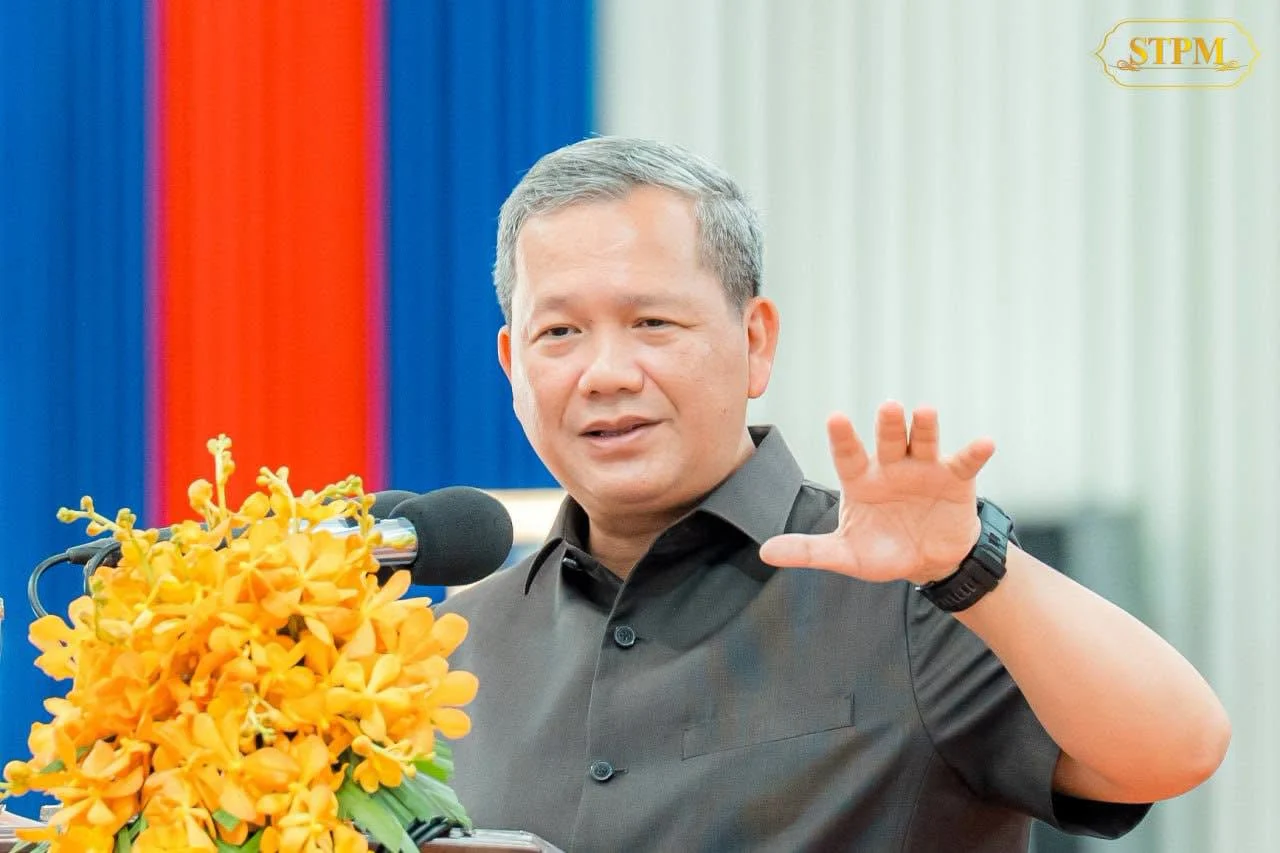
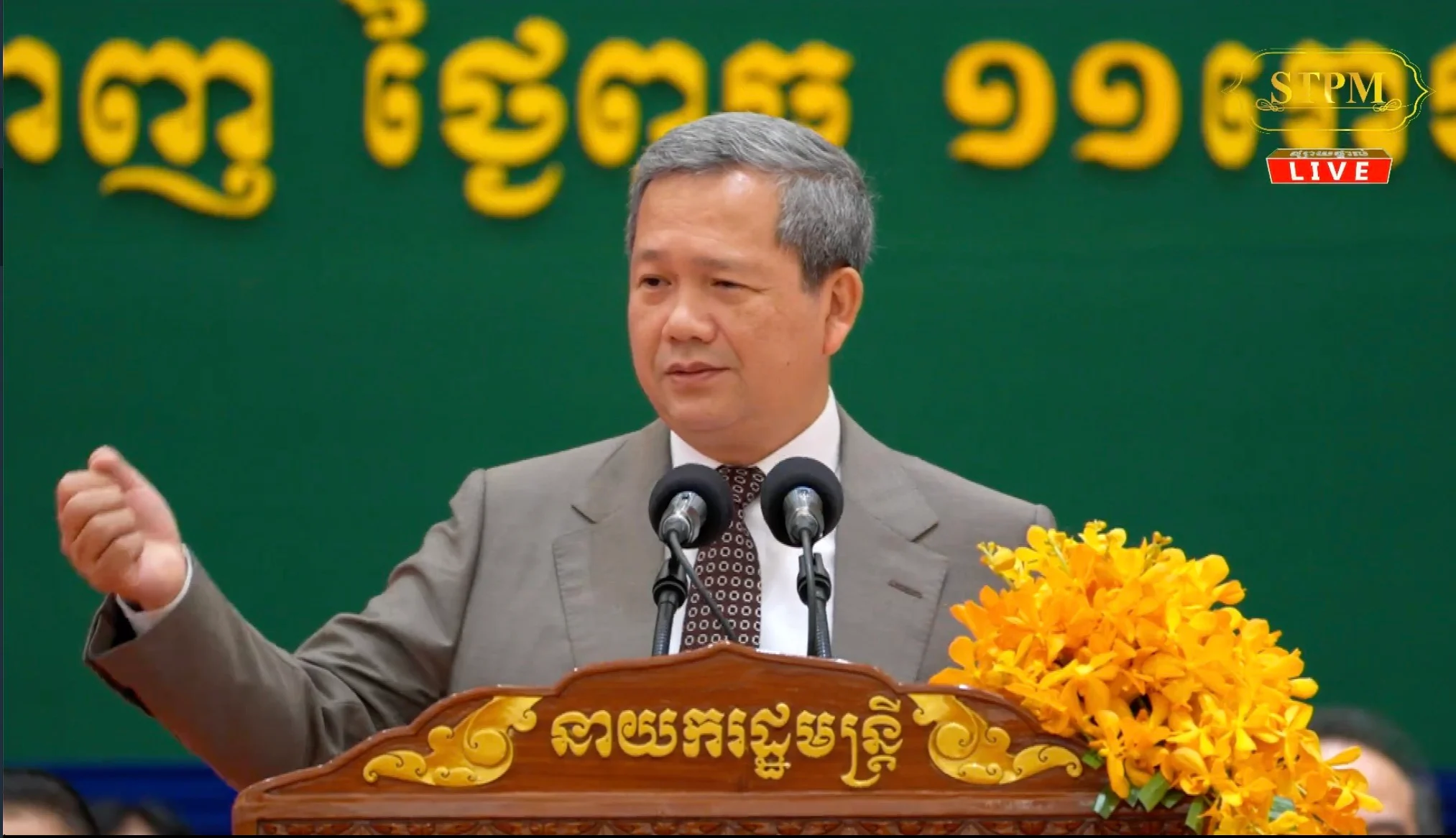
Speaking at a graduation ceremony for students at the University of Health on October 7, Prime Minister Hun Manet highlighted the substantial financial commitment made by the state. He noted that Cambodia is currently absorbing approximately $50 million per month in losses associated with fuel imports to stabilize domestic prices.
Since March of this year, the government has proactively implemented a series of measures designed to alleviate the tax burden and reduce import duties on fuel and gas. These critical interventions aim not only to mitigate the rising costs for consumers but also to ensure a consistent and uninterrupted supply of fuel across the nation. Specifically, the government has reduced customs duties, including the surcharge on gasoline and diesel, to zero dollars. Furthermore, the special tax levied on gasoline has been significantly cut from 30 percent down to 15 percent and, in some cases, 10 percent, while the state is now absorbing costs for diesel, effectively replacing previous rates of 6 percent for gasoline and 10 percent for diesel.
Beyond immediate fuel costs, the government is also strategically adjusting tax rates and duties on a range of essential items. These include electric vehicles, batteries, solar equipment, and electric stoves, all of which are increasingly becoming daily necessities for the population. This move underscores a broader effort to promote energy efficiency and provide relief in other vital sectors.
The impact of global fuel price hikes extends beyond direct consumer costs. Electricite du Cambodge (EDC), the national electricity provider, has incurred losses of $35 million in its efforts to prevent an increase in electricity prices for citizens. Prime Minister Hun Manet affirmed that if the geopolitical situation in the Middle East does not improve, EDC will continue to allocate additional funds to ensure electricity prices remain stable, thereby shielding consumers from further economic strain.