
Phnom Penh: The Cambodian banking sector has officially established its key priorities, focusing on ensuring stability, building trust, and fostering sustainable growth. This strategic direction was collaboratively forged during the Cambodia Banking Conference 2026, which convened under the overarching theme: ‘Maintaining Stability, Strengthening Financial Integrity, Trust, and Confidence in the Banking System.’
The Association of Banks in Cambodia organized its annual Cambodia Banking Conference 2026 on August 19-20 at the Sokha Hotel in Phnom Penh. This significant event brought together a diverse group of stakeholders, including representatives from regulatory bodies, the government, various banking and financial institutions, development partners, regional ASEAN banks, and leading technology companies. The conference provided a crucial forum for these experts to discuss and define the strategic priorities necessary for the Cambodian banking sector to navigate a new cycle of economic growth effectively.
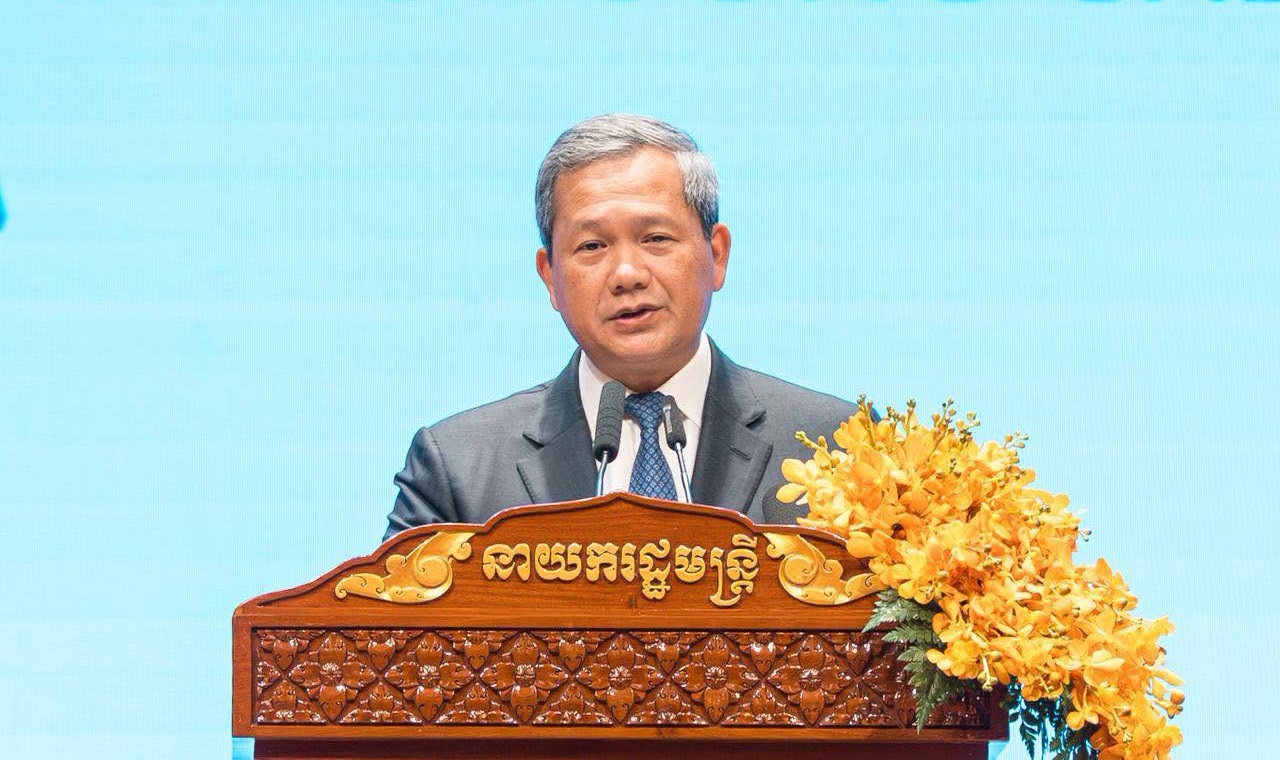
Mr. Rath Sophoan, Chairman of the Association of Banks in Cambodia, robustly affirmed the sector’s inherent resilience and strength. He highlighted that this fortitude persists even amidst current fluctuations within the real estate market, ongoing pressures concerning asset quality, and the increasing complexity of cybersecurity risks. Mr. Sophoan also articulated the emergence of an upcoming new growth cycle, emphasizing that its success would be contingent upon proactive risk management, prudent provisioning for potential losses, responsible lending practices, and seamless collaboration between regulators and all partners within the banking industry.
Throughout the conference, participants engaged in two primary presentations, seven in-depth panel discussions, and received valuable insights from partners of the Asian Development Bank. These sessions collectively explored the sector’s evolution from merely maintaining resilience to actively pursuing responsible growth.
The first day of the conference, August 19, was dedicated to critical subjects such as the adjustment of asset quality, strategies for addressing distressed assets, the imperative of financial integrity, enhancing consumer protection measures, and establishing secure and efficient payment systems.
On the second day, August 20, discussions shifted towards crucial financing areas, specifically focusing on support for small and medium enterprises, the commercial sector, and the agricultural industry. The agenda also thoroughly examined sustainable financial operations, along with identifying the essential skills and leadership qualities required to successfully implement the sector’s priorities for 2027, as outlined in a press release from the Association of Banks in Cambodia.
Jarrad Geen, Mastercard Country Manager for Cambodia, Vietnam, and Laos, contributed to the discussions by underscoring the dual challenge confronting the banking sector. Amidst global economic uncertainties and the escalating complexities of the digital landscape, the sector faces the task of both driving economic growth and simultaneously preserving stability and trust. Mr. Geen elaborated that as Cambodia embarks on a new phase of economic expansion, reinforcing financial integrity, ensuring the resilience of digital systems, and cultivating consumer trust are absolutely paramount. These elements are vital to guarantee that both individuals and businesses can participate securely and confidently in the evolving digital economy.
Mr. Geen further reiterated Mastercard’s steadfast commitment to collaborating closely with all relevant stakeholders. This collaborative endeavor aims to foster secure payment systems, proactively prevent risks such as fraud and sophisticated cyber-attacks, and ultimately bolster the banking sector, making it more resilient, innovative, and strategically positioned for sustained long-term economic prosperity.
From the comprehensive discussions at the conference, three pivotal strategic priorities emerged for the banking sector:
1. **Banking Sector Resilience and Responsible Lending:** This strategy focuses on fortifying timely risk identification, implementing prudent provisioning, carefully restructuring loans, conducting realistic asset valuations, effectively resolving non-performing loans, and maintaining robust capital and liquidity resilience.
2. **Financial Integrity, Public Trust, and Secure Digital Finance:** The core components of this priority include intensifying efforts against money laundering and terrorist financing, preventing fraudulent activities, ensuring comprehensive consumer protection, implementing sound governance practices, enhancing cybersecurity measures, and ensuring operational resilience across all banking activities.
3. **Productive and Sustainable Financing:** This strategy is designed to expand the provision of tailored financial solutions that meet the specific needs of promising small and medium enterprises, the commercial sector, agriculture, agro-processing, critical infrastructure development, and green investments. This will involve leveraging advanced cash flow data, implementing supply chain financing, utilizing risk-sharing mechanisms, and offering financial products aligned with established classification standards.