Phnom Penh, Cambodia – A significant inter-ministerial declaration has officially prohibited the import, use, circulation, and supply of any goods within Cambodia found to be associated with forced labor. This pivotal move, aimed at strengthening responsible supply chains and enhancing national competitiveness, took effect on July 1st.
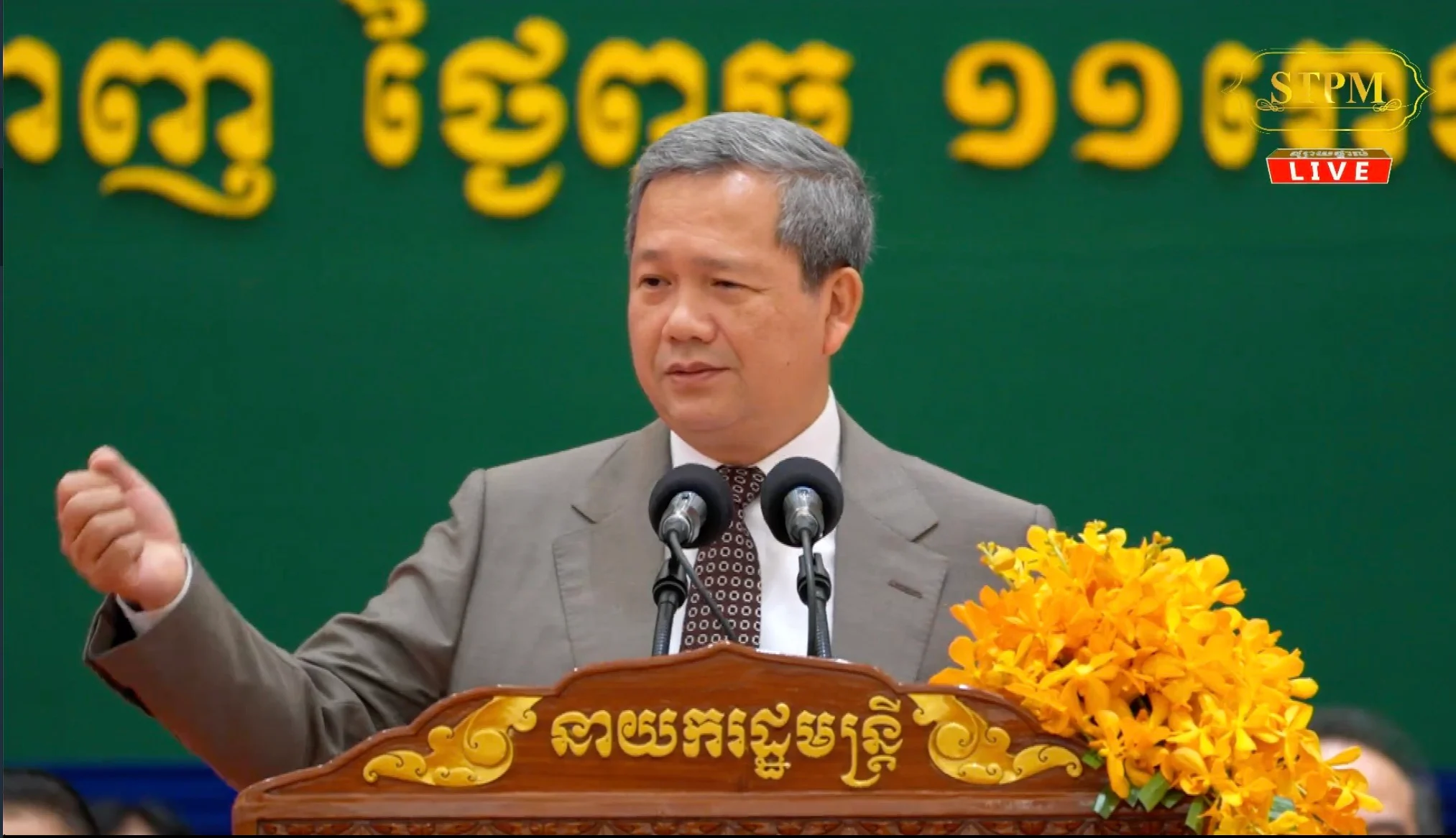
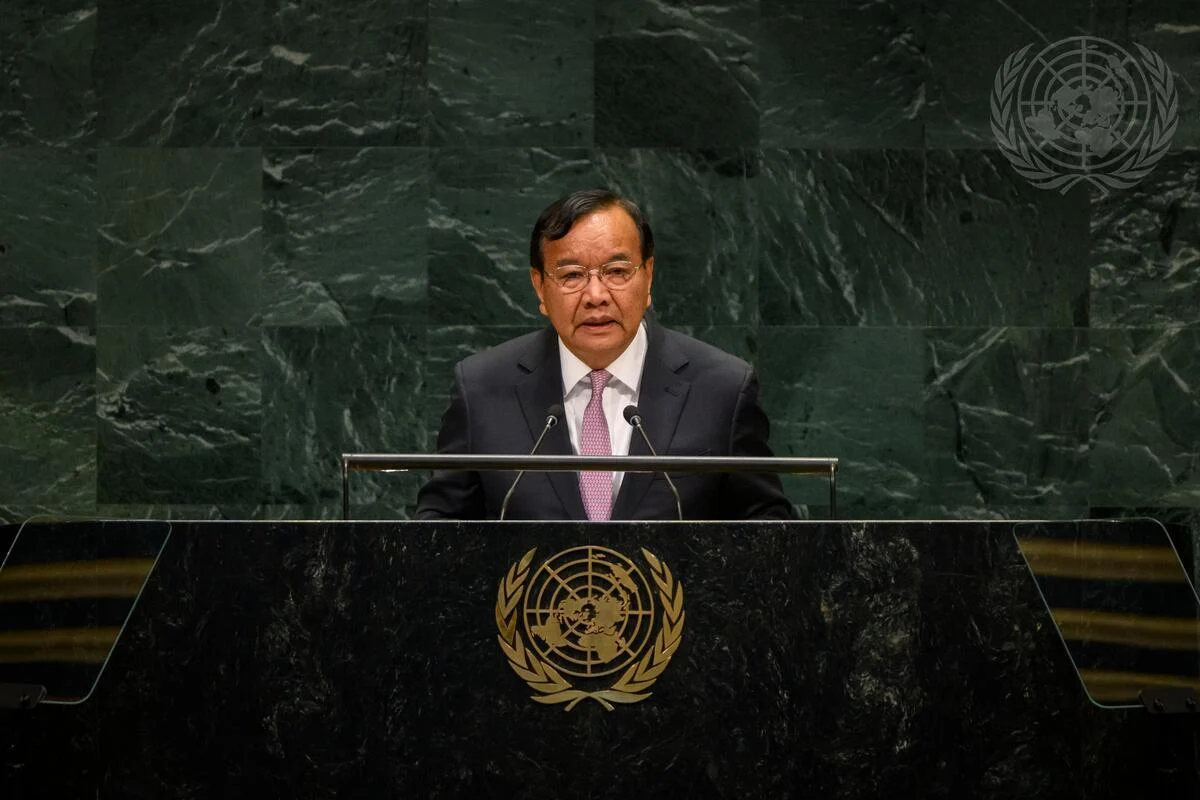
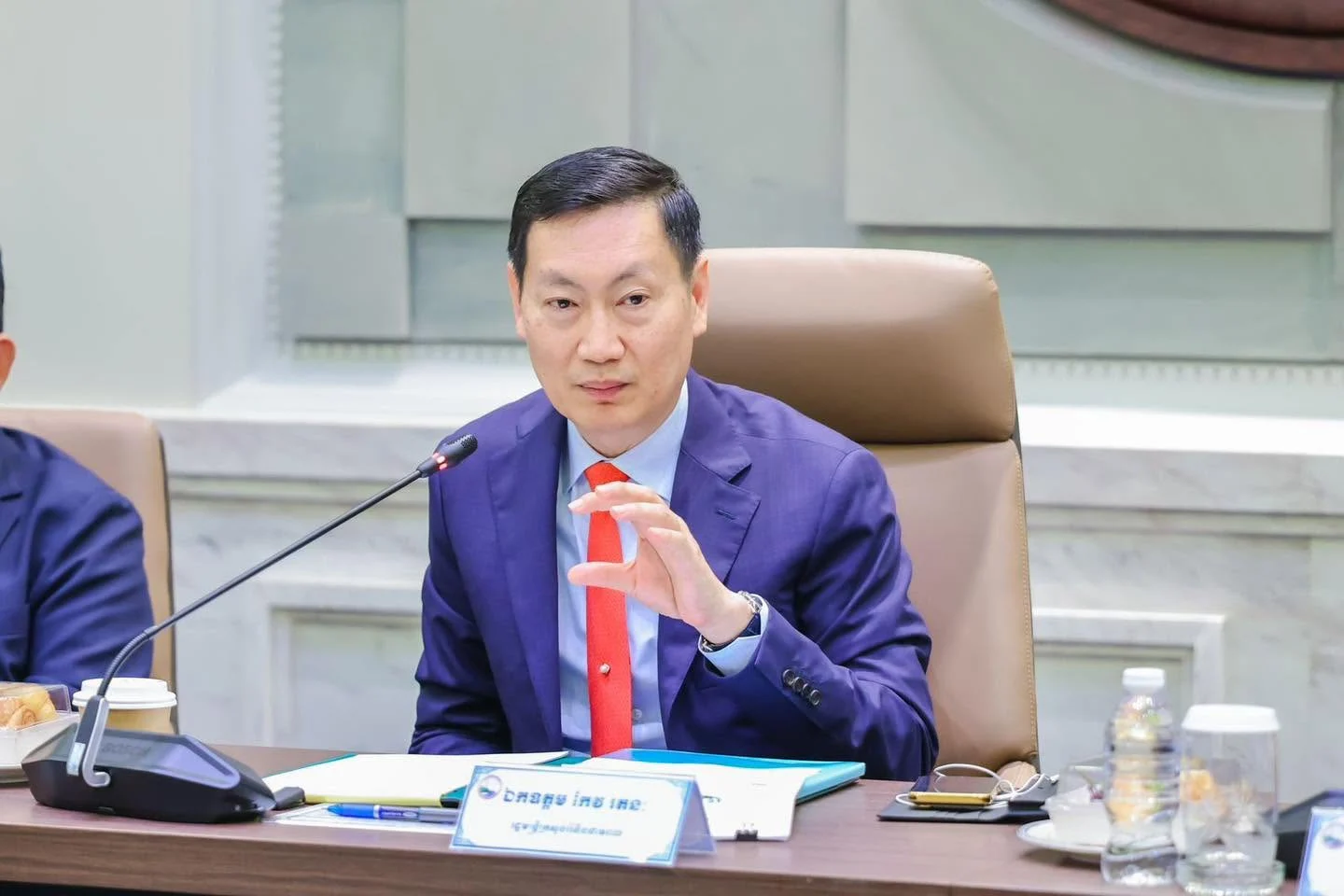
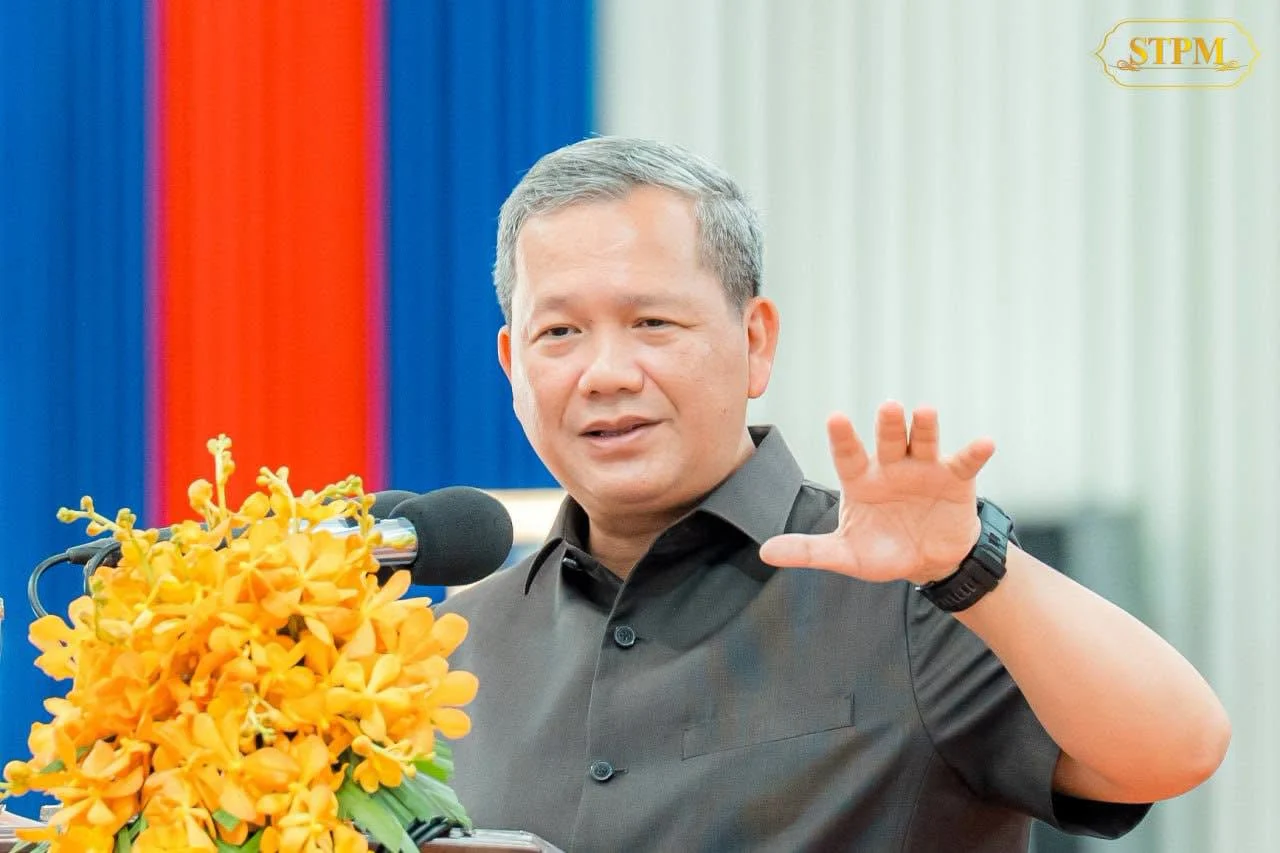
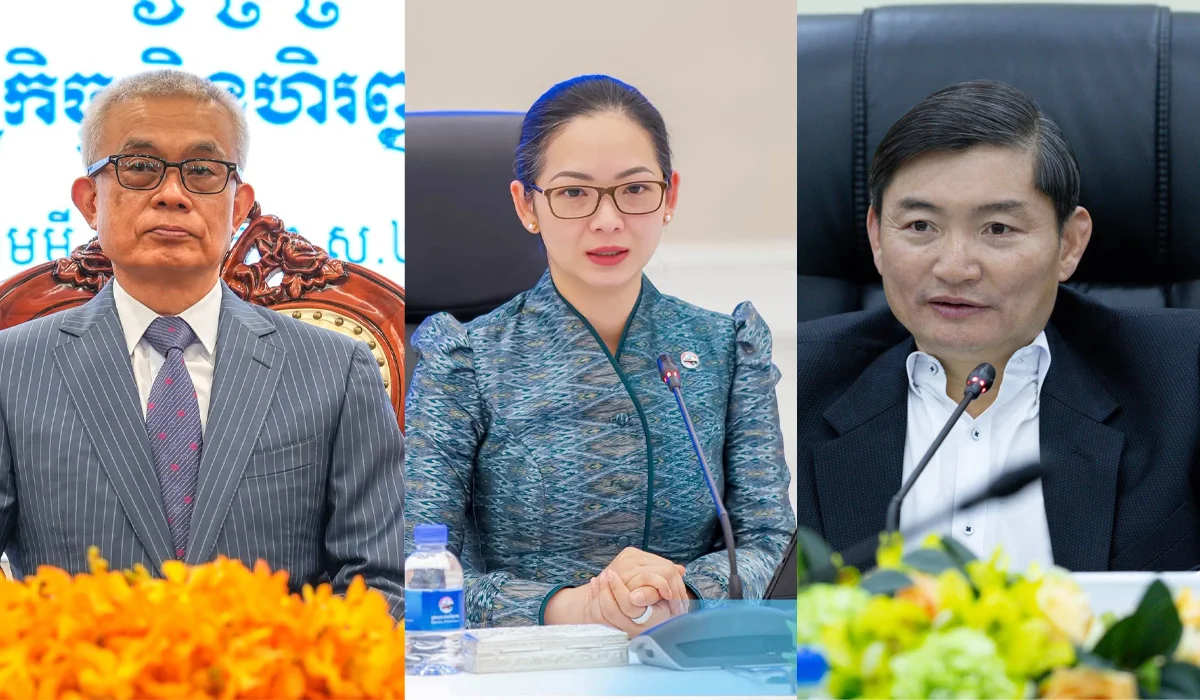
The joint announcement was made by key government officials: Deputy Prime Minister Aun Pornmoniroth, Minister of Economy and Finance; Ms. Cham Nimul, Minister of Commerce; and Mr. Heng Sour, Minister of Labor. Their collective declaration outlines the specific procedures, legal frameworks, and enforcement measures for prohibiting the entry of such goods.
The directive clearly states that its application is strictly limited to imported products identified as having a connection to forced labor. The declaration defines ‘forced labor’ as any work or service exacted from an individual under the threat of punishment, which the person has not voluntarily offered to perform, consistent with existing Cambodian labor laws.
Furthermore, ‘goods related to forced labor’ are defined as products that have been mined, extracted, produced, or manufactured, either wholly or in part, using forced labor practices.
To ensure effective implementation, an inter-ministerial working group has been established. This team comprises representatives from the Ministry of Economy and Finance, the Ministry of Commerce, the Ministry of Labor, and other relevant governmental institutions. Starting July 1st, this group is tasked with inspecting all goods suspected of being linked to forced labor. The working group is authorized to cooperate with international counterparts and countries from which goods are imported into Cambodia to verify suspicious cases as necessary.
Importers who are suspected of dealing in goods connected to forced labor are required to provide a comprehensive clarification to the inter-ministerial working group within ten working days. This clarification must include detailed information and supporting documentation regarding the goods’ origin, production location, the names and details of producers or individuals involved in the supply chain, as well as production processes, extraction, harvesting, processing, assembly, or any other relevant activities. Additionally, sales contracts, payment records, ownership transfer documents, compliance audit reports, and any other relevant documentation that can attest to the absence of forced labor must be submitted.
The inter-ministerial declaration makes it unequivocally clear: “Should any imported goods be found to be linked to forced labor, those goods will be prohibited from being imported, used, circulated, or supplied within Cambodia.”
Importers found in violation face severe penalties, including the suspension of import and export activities, the suspension of Certificates of Origin issuance, and other stringent measures in accordance with Cambodia’s existing laws and regulations. Forced Labor Goods generally refer to any products manufactured for export, import, or processing that utilize involuntary human labor.
Forced labor manifests in various forms, including threats and intimidation such as the use of violence or legal and safety threats; the confiscation of passports or other personal documents to prevent workers from leaving; compelling individuals to work to repay unending debts; exploitation of labor without fair compensation; and arbitrary detention.
In the current global trade landscape, numerous countries are adopting strict measures to ban the import and circulation of forced labor goods. This widespread effort aims to uphold human rights and comply with international labor standards.
According to studies and reports from organizations such as the International Labour Organization (ILO) and the U.S. Department of Labor (ILAB), four key sectors are globally most susceptible to the risk of forced labor: Agriculture & Fishing, Garments & Textiles, Mining & Construction, and Manufacturing & Electronics.