Phnom Penh, Cambodia – The Cambodian government is preparing a significant intervention package totaling $1.244 billion USD. This substantial allocation is designed to stabilize the livelihoods of its citizens as the nation navigates a challenging economic landscape.
The initiative was announced by Deputy Prime Minister Aun Pornmoniroth, who also serves as the Minister of Economy and Finance. This crucial measure comes at a time when Cambodia’s economic growth for 2026 is conservatively projected to reach a modest 3%, according to a revised assessment by the International Monetary Fund (IMF).
This subdued growth forecast reflects the prevailing uncertainties and the continuous impact of multiple global crises affecting Cambodia. These factors include the ongoing conflict in the Middle East, which has driven up fuel prices; the unresolved Cambodia-Thailand border dispute; a comprehensive crackdown on technology-based fraud activities; and broader global economic instability. These points were detailed in a press release issued by the Ministry of Economy and Finance on July 7.
In response to these compounding challenges, the government has proactively implemented a series of immediate intervention measures. These include targeted tax concessions on various imported goods, such as petrol, diesel, and selected electrical equipment. The aim of these concessions is twofold: to mitigate the pressure of rising costs on consumers and businesses, and to reduce the country’s reliance on fossil fuels.
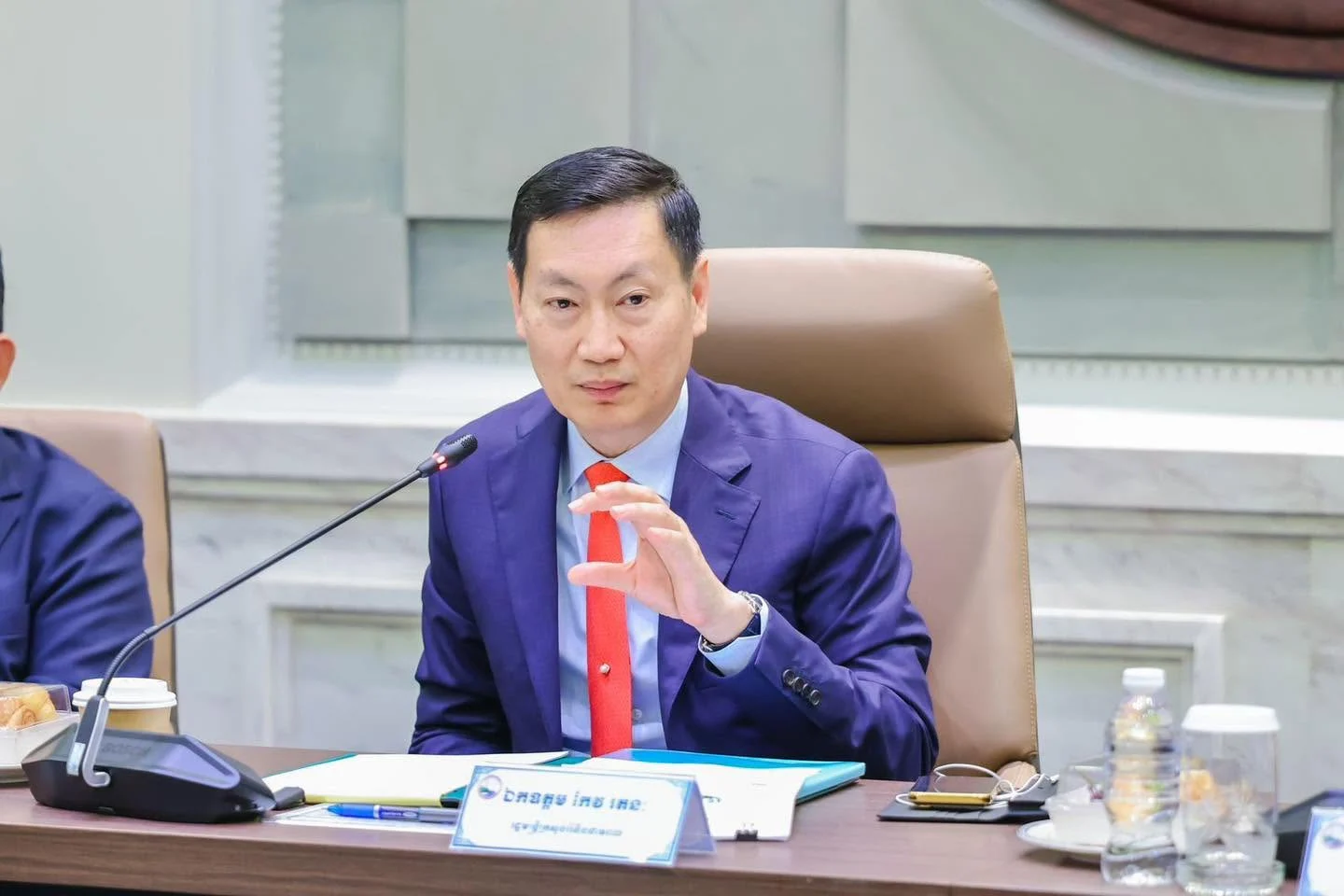
During a recent working discussion with Mr. Kenichiro Kashiwase, head of the IMF’s Article IV mission, at the Ministry of Economy, Deputy Prime Minister Aun Pornmoniroth further outlined the upcoming “Comprehensive Intervention Program to Respond to Multi-Crises.” The Minister emphasized that this program is specifically designed to foster job creation, ensure the stability of citizens’ livelihoods, and enhance the overall resilience of Cambodia’s economy and society in the short to medium term.
The new program adopts a “Pro-Poor” approach, structured into three distinct intervention packages. These packages incorporate both immediate impact measures and those with short-to-medium-term implications:
* The first package focuses on stabilizing livelihoods, directly linking these efforts with the creation of new employment opportunities.
* The second package is dedicated to providing technical and vocational skills training, also with a strong emphasis on generating new occupations.
* The third package addresses the critical areas of management, interaction, and energy transformation.
The total estimated cost for this comprehensive intervention program stands at $1.244 billion USD. The funding for this initiative will be drawn from four primary sources: the state budget, resources from relevant Royal Government institutions, fiscal expenditures, and contributions from development partners.
Beyond immediate interventions, the government is also tackling various structural issues to support medium-to-long-term economic growth. Key among these are the implementation of the “Program to Enhance Competitiveness, Increase Diversification, and Strengthen Resilience,” aimed at boosting economic growth amidst high global uncertainty, and the “Program to Promote Improvement of Business and Investment Environment in Cambodia 2025-2028.”
According to the Ministry of Economy’s press release, these programs form the core of structural reforms. Their objectives include streamlining complex administrative procedures, digitalizing public services, bolstering investor confidence, and strengthening the economic shield to effectively withstand multiple external crises.
Mr. Kenichiro Kashiwase of the IMF highly commended Cambodia’s prompt intervention measures in response to the crises. He specifically noted the effective implementation of temporary fiscal policies designed to support the populace and targeted sectors, thereby mitigating negative impacts and stimulating economic growth.
However, Mr. Kashiwase also underscored the continued necessity of structural reforms to sustain Cambodia’s economic growth in the medium term. He highlighted crucial areas for improvement, including enhancing the business and investment environment, strengthening governance, diversifying export markets, fortifying energy security, and improving data retention and sharing practices.