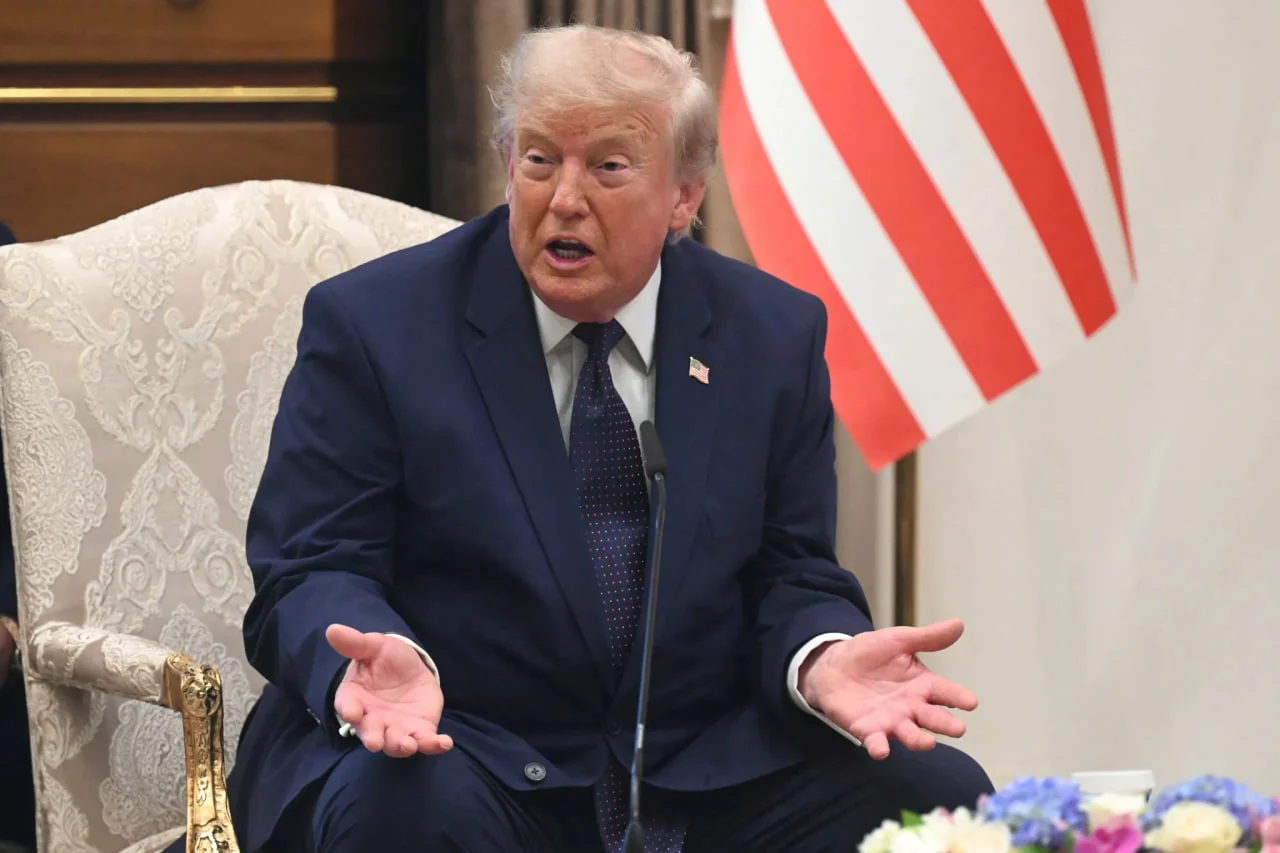
In a significant development on July 8, then-US President Donald Trump announced a directive instructing Treasury Secretary Scott Bessent to initiate the suspension of all existing trade relations with Spain. This declaration signaled a deepening rift between the two traditional allies.
The pronouncement, reported by AFP news agency, emerged amidst heightened verbal disagreements between Washington and Madrid. These tensions primarily revolved around Spain’s defense spending commitments within NATO and its reluctance to provide military assistance to the United States in a potential conflict with Iran. Speaking from the NATO summit in Ankara, Turkey, President Trump explicitly stated the United States’ disinterest in continuing trade with Spain, further labeling Madrid as a ‘terrible partner’ within the NATO alliance.
This was not the first instance of such a threat; President Trump had previously warned Spain of trade sanctions in March, following Madrid’s refusal to permit US forces access to its military bases for operations against Iran. A consistent point of contention for Trump had been Spain’s failure to meet NATO’s updated defense spending target, which called for member states to allocate 5% of their Gross Domestic Product (GDP) to defense. This ongoing disagreement was compounded by Spain’s steadfast refusal to grant the US access to its airspace or military installations for any engagement related to the Iran conflict.
In response to President Trump’s declaration, the office of the Spanish Prime Minister quickly issued a statement. It underscored the mutually beneficial nature of the bilateral relationship between the two nations, highlighting robust cooperation across trade, defense, social, cultural, and economic sectors. The Spanish government firmly asserted its desire to maintain these positive ties, indicating no intention of altering the established relationship.
Economically, Spain holds a significant global position, notably as the world’s leading exporter of olive oil. Its exports to the US market also include crucial commodities such as auto parts, steel, and various chemicals. Analysts suggested that, compared to several other European nations, Spain possessed a relatively strong economic standing, potentially making it less susceptible to the impact of President Trump’s proposed economic sanctions. Official figures from the previous year revealed that the United States maintained a trade surplus with Spain, reaching an impressive $4.8 billion. This marked the fourth consecutive year of increasing surplus for the U.S. Data from the US Census Bureau further indicated that American exports to Spain totaled $26.1 billion, while imports from the European nation stood at $21.3 billion. Notably, exports of crude oil and liquefied natural gas from the US to Spain had shown a rapid increase in recent years, highlighting specific growth areas in their trade relationship.