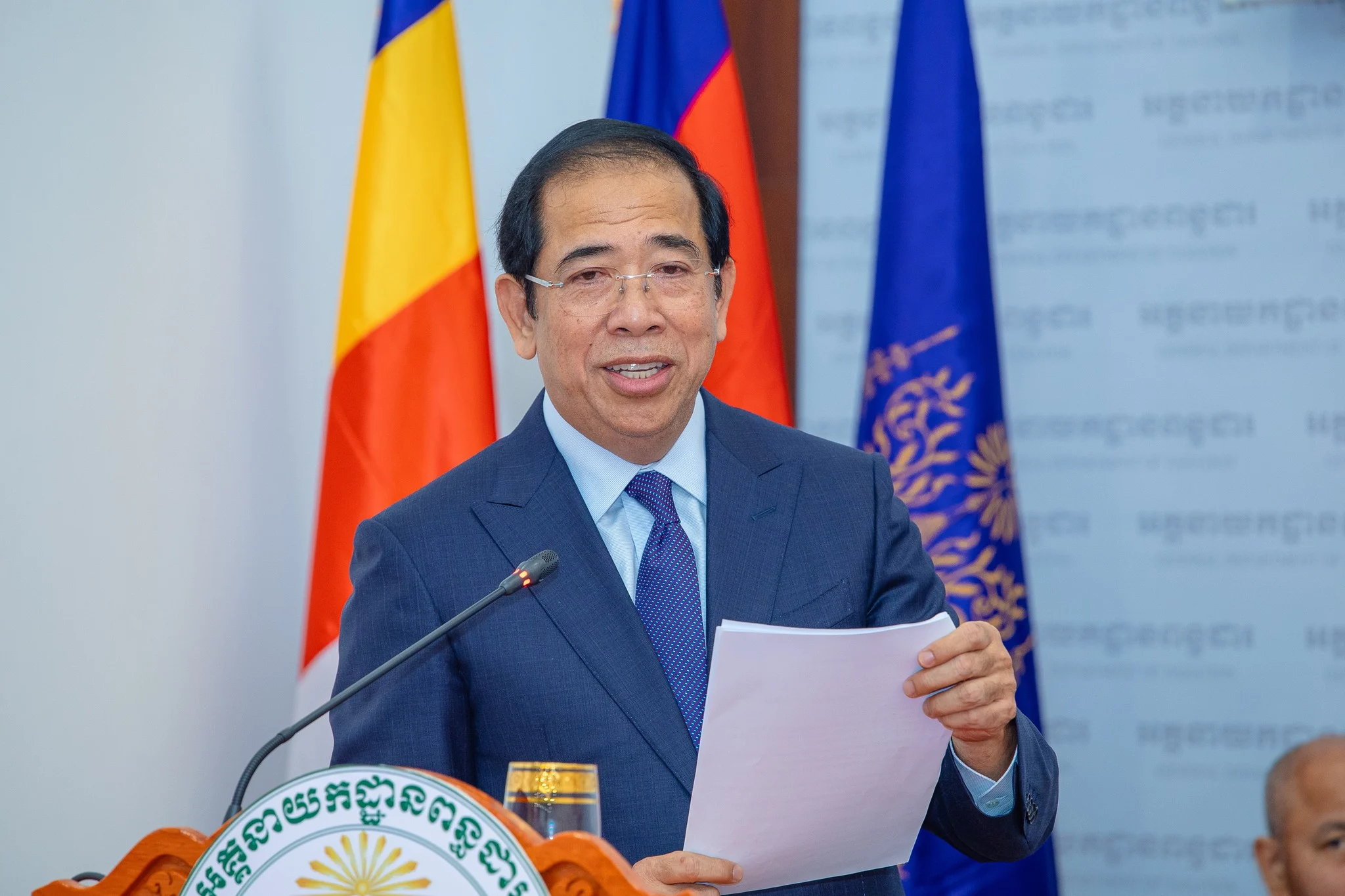
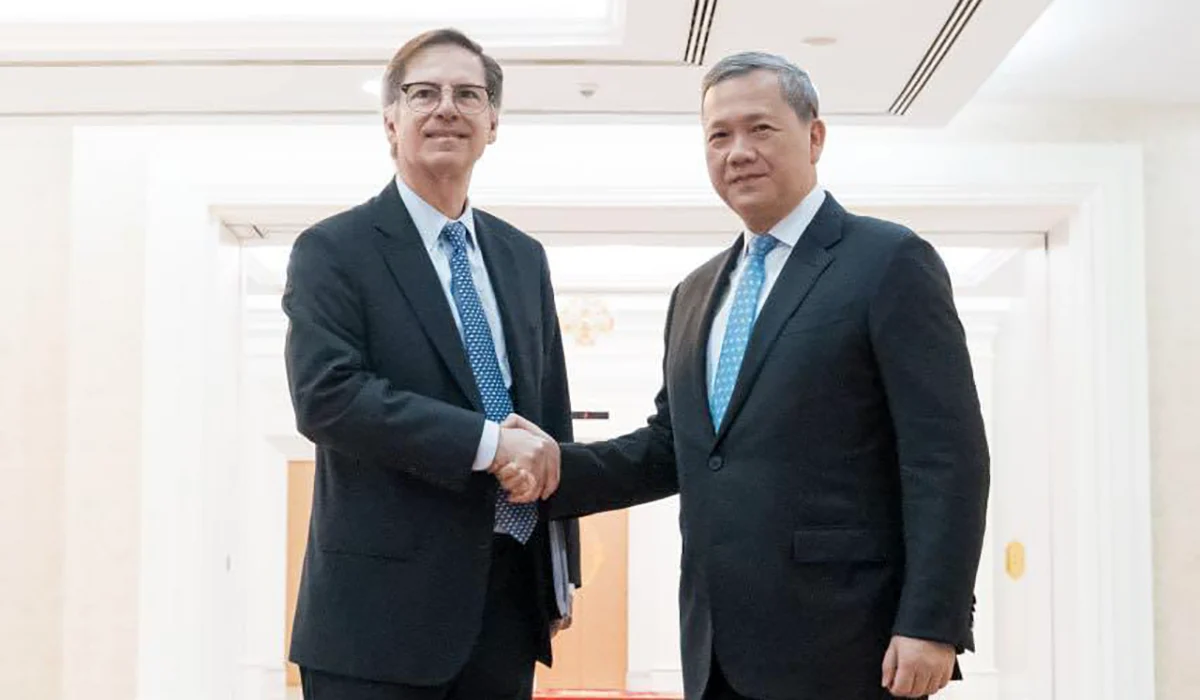
Phnom Penh, Cambodia – The World Bank has reaffirmed its steadfast commitment to expanding cooperation with Cambodia, pledging to bolster the nation’s socio-economic development for a stronger and more sustainable future. This significant assurance was delivered by Mr. Carlos Felipe Jaramillo, Vice President of the World Bank, during a productive working meeting with Cambodian Prime Minister Samdech Hun Manet on the morning of March 17 at the Peace Palace.
During their extensive discussions, Mr. Jaramillo expressed his commendation for Cambodia’s remarkable progress and articulated the World Bank’s full support for the country’s ambitious goal of transforming into a high-income nation by 2050. This strategic vision aligns closely with the World Bank’s current global priorities for providing assistance to various developing nations, with Cambodia being a key beneficiary. A central focus of this collaborative support is to generate meaningful employment opportunities for Cambodian citizens by concentrating on five pivotal potential sectors: agriculture and agri-business, tourism, manufacturing, healthcare, and critical infrastructure development.
Mr. Jaramillo further emphasized that the World Bank will continue to foster robust collaboration with Cambodia’s private sector, which he identified as an indispensable engine for sustainable economic growth and job creation. He unequivocally stated, “The World Bank is firmly committed to continuing to support and expand cooperation with the Royal Government of Cambodia to further promote Cambodia’s socio-economic development to be more dynamic and sustainable.”
Prime Minister Hun Manet conveyed his profound appreciation for the excellent and enduring partnership between the World Bank and the Royal Government. He highlighted that the World Bank’s multifaceted support is instrumental in advancing the government’s comprehensive policies and the Pentagonal Strategy, both of which are meticulously designed to propel Cambodia towards its envisioned status as a high-income country by 2050. The Prime Minister also apprised Mr. Jaramillo of Cambodia’s ongoing initiatives to implement policies aimed at fortifying national resilience across several key priority areas.
These strategic areas include the vital development of human capital, comprehensive vocational training programs, enhancing the education and healthcare sectors, strengthening the national financial framework, actively attracting foreign direct investment, fostering the growth of small and medium enterprises (SMEs), and bolstering domestic production capacity to serve the local market, alongside the implementation of other necessary measures. Prime Minister Hun Manet underscored that, “The implementation of these policies is to make Cambodia’s investment environment more attractive and competitive, aiming to ensure the resilience of Cambodia’s socio-economic development.”
Beyond these discussions, both parties delved into other crucial priorities for accelerating Cambodia’s economic momentum. These included detailed talks on developing the education sector, enhancing overall human resource capabilities within Cambodia, providing advanced vocational skills training for the nation’s youth, and recognizing the indispensable importance of robust public-private partnerships. These concerted efforts, it was noted, are strategically designed to capitalize on emerging opportunities and ensure resilient economic growth for Cambodia amidst the inherent complexities and uncertainties of the current global landscape.