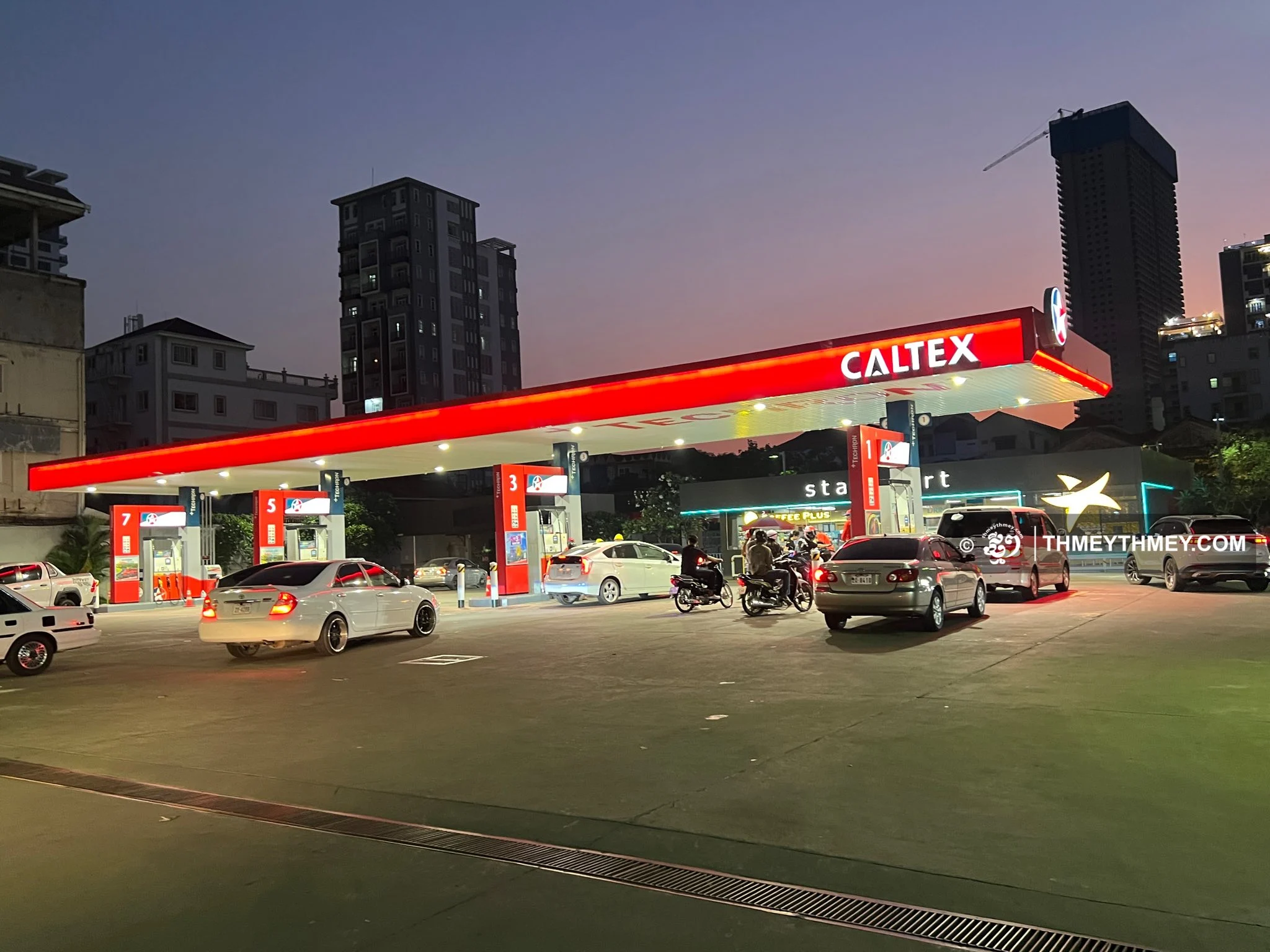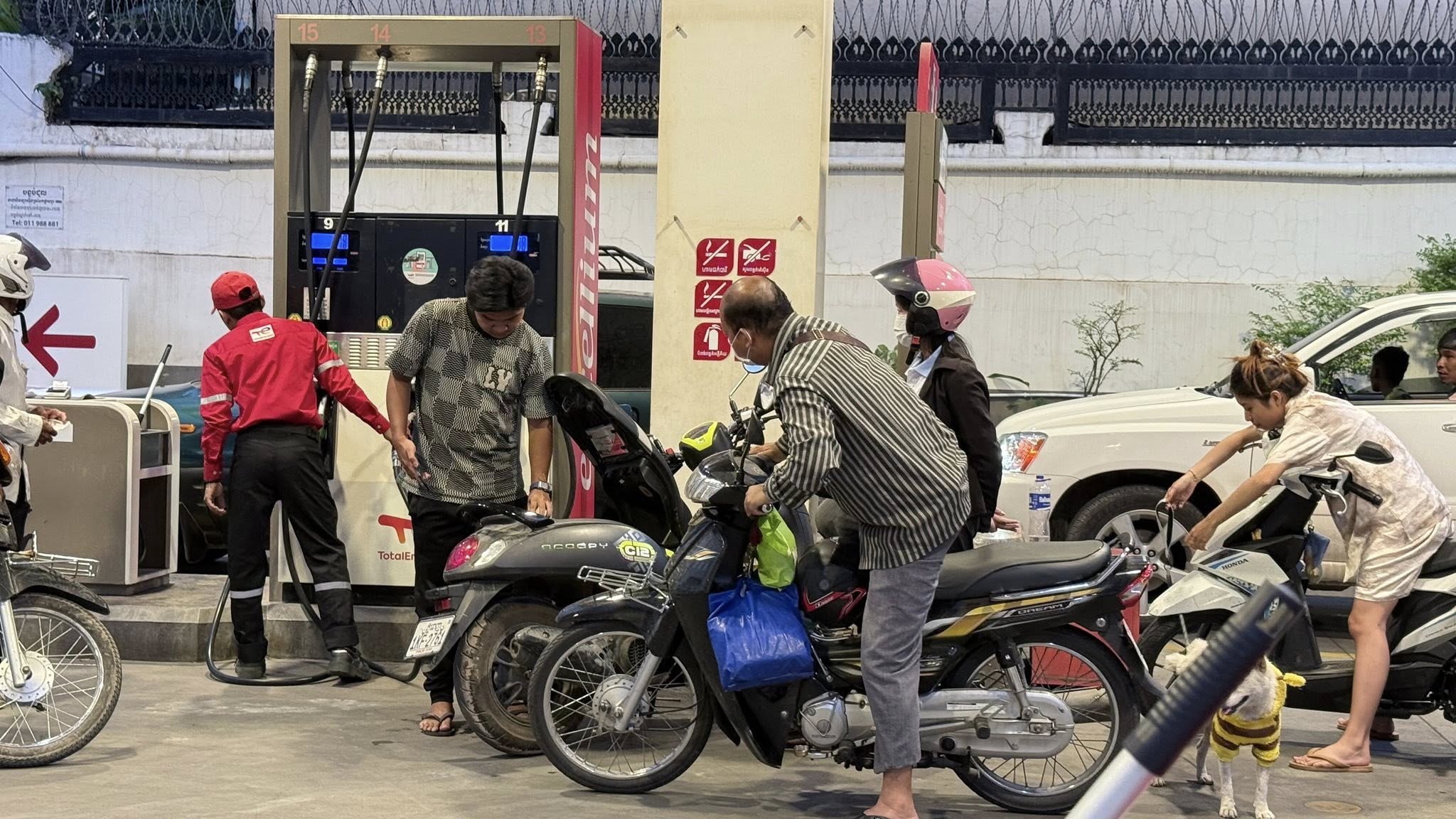
Cambodia’s fuel prices have recently seen a notable increase, with regular gasoline reaching over 5,000 riel and diesel surpassing 6,000 riel per liter. This upward trend, observed from March 11-13 as per the Ministry of Commerce’s instructions, presents a contrasting situation to the global market where crude oil prices have reportedly fallen to just over $80 a barrel.
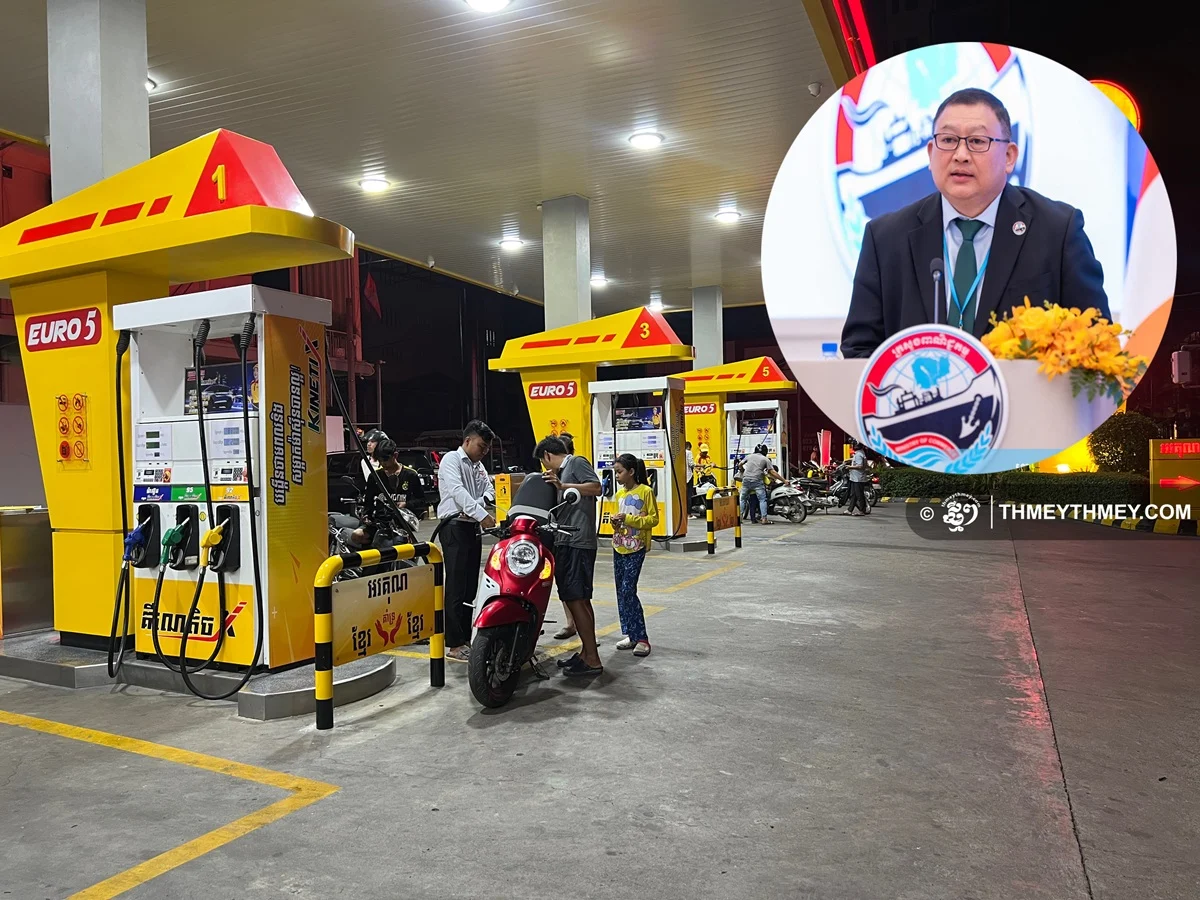
Pen Sovicheat, the spokesman for the Ministry of Commerce, addressed this discrepancy in a recent digital media briefing. He clarified that in the preceding three days, international oil prices remained elevated, preventing importing companies from securing long-term fixed-price agreements at lower rates. Consequently, the prevailing retail prices for gasoline, currently set at 5,200 riel, and diesel, at 6,050 riel per liter, reflect these earlier, higher international market costs.
Mr. Sovicheat further elaborated that the reported decline in international oil prices primarily pertains to crude oil traded on the stock market. However, the prices for refined oil, which is the product directly supplied to consumers, have remained significantly high. He pointed out that refined gasoline was still trading at over $120 a barrel, and refined diesel at more than $160 a barrel during the period in question.
“We observe that the cost of refined oil, which is processed from crude oil, has not yet decreased,” Mr. Sovicheat stated, clarifying why fuel prices in the Cambodian market continued their ascent from March 11-13. He offered assurance that future domestic oil prices would align with international trends, implying that a sustained drop in global refined oil prices would eventually lead to a reduction in Cambodia’s pump prices.
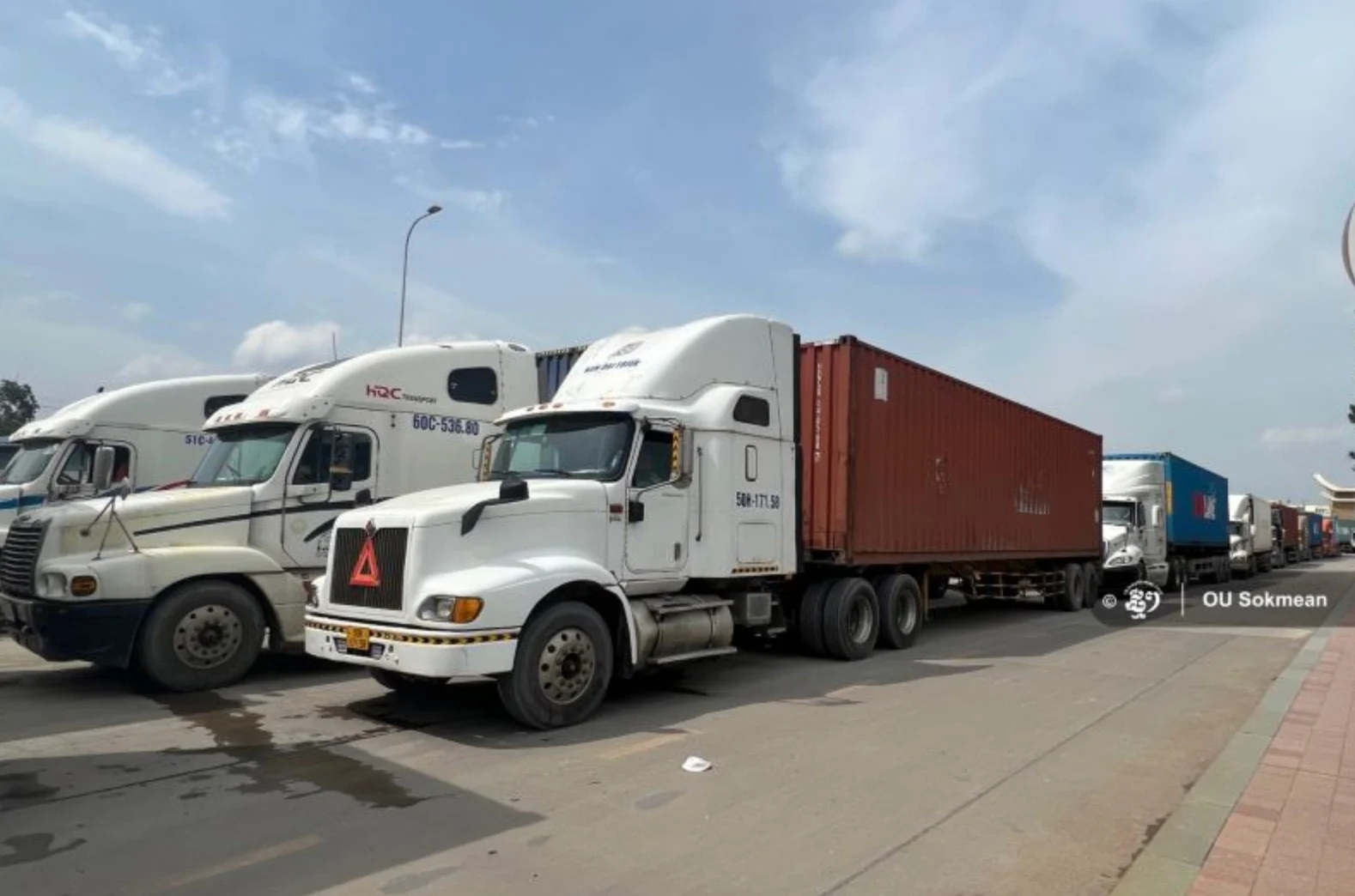
It is important to note that Cambodia is entirely dependent on foreign imports for its oil and gas supply. The nation’s primary source for these vital resources is Singapore, followed by Vietnam, Indonesia, and Malaysia, among other countries. Data from the Ministry of Public Works and Transport indicates a significant volume of fuel imports, with a reported 3,062,516 tons handled through Sihanoukville Autonomous Port and Phnom Penh Autonomous Port.