Phnom Penh: A significant increase in oil prices across Cambodia has prompted several local shipping companies to gradually raise their transportation fees. This development reflects broader economic pressures stemming from global energy markets.
According to Mr. Chea Channara, President of the Cambodia Logistics and Supply Chain Business Association, these companies have implemented shipping price increases ranging from 5 to 10 percent. He explained that some shipping companies have formally requested to adjust their freight charges to clients within this range, or potentially higher, depending on specific operational circumstances and the competitive landscape of individual businesses.
Mr. Channara clarified that these adjustments are a direct consequence of the sharp rise in fuel prices, particularly diesel, both within Cambodia and globally. This global surge is attributed to the ongoing conflict in the Middle East, which had been escalating for approximately ten days at the time of reporting.
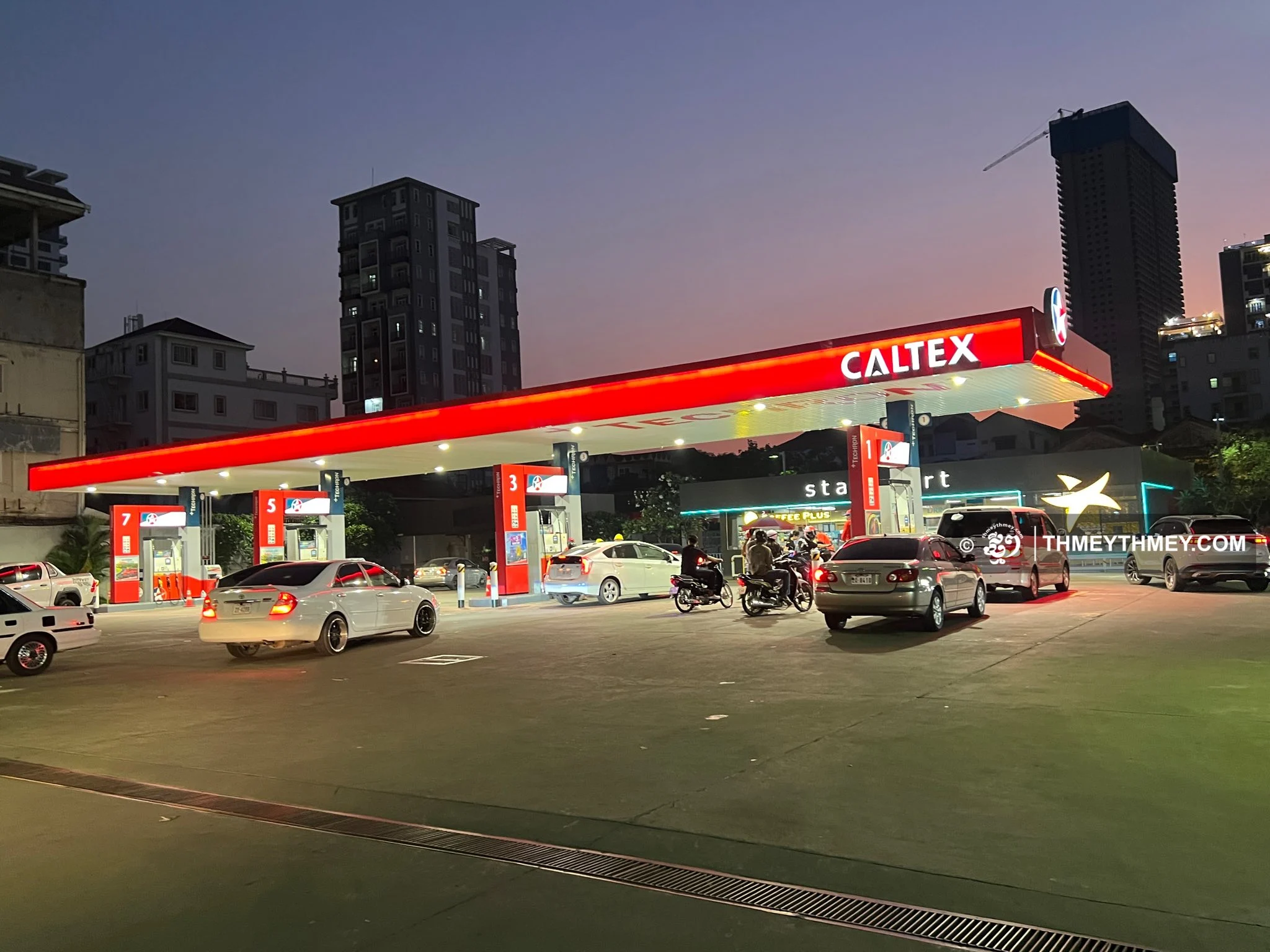
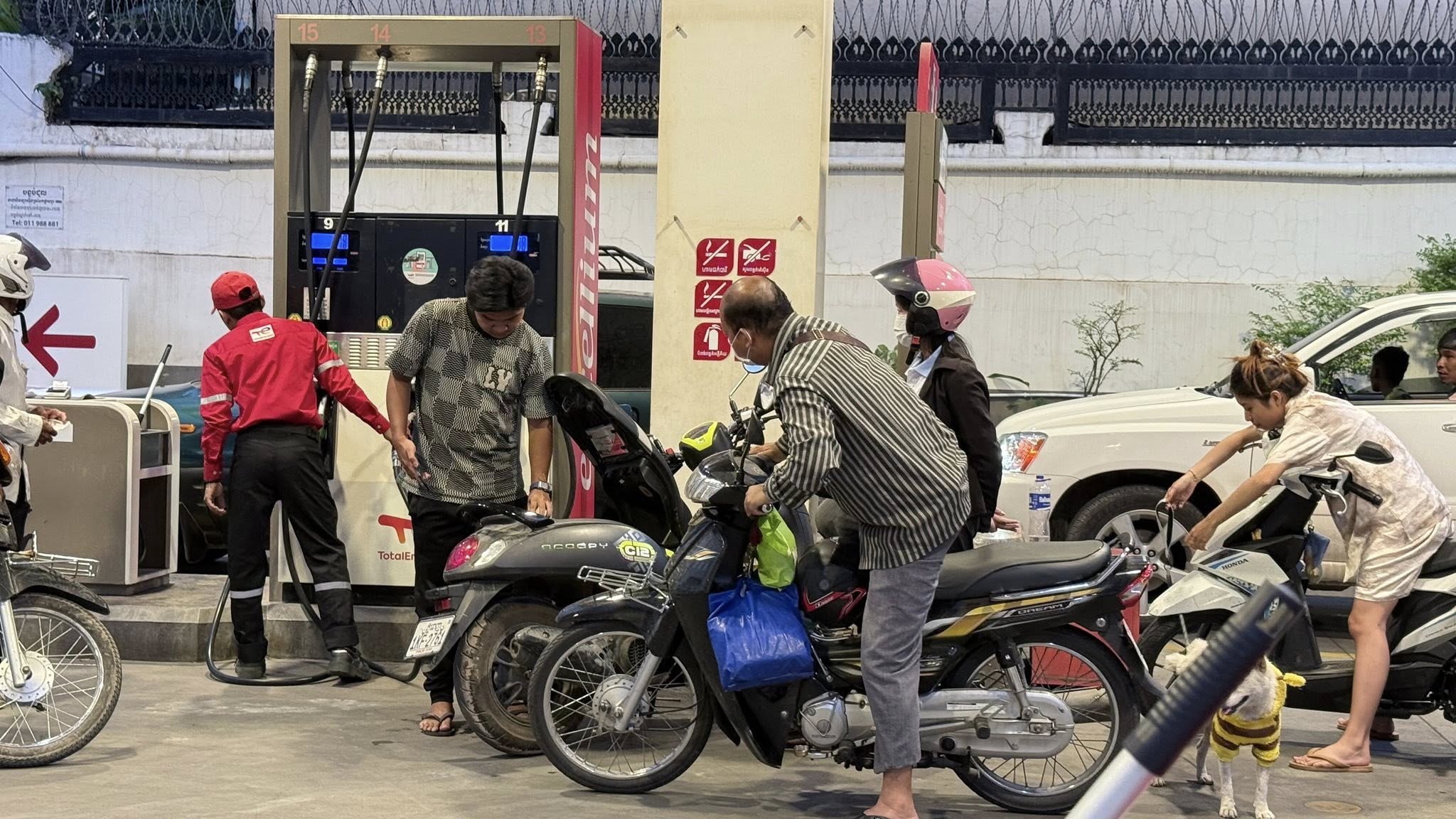
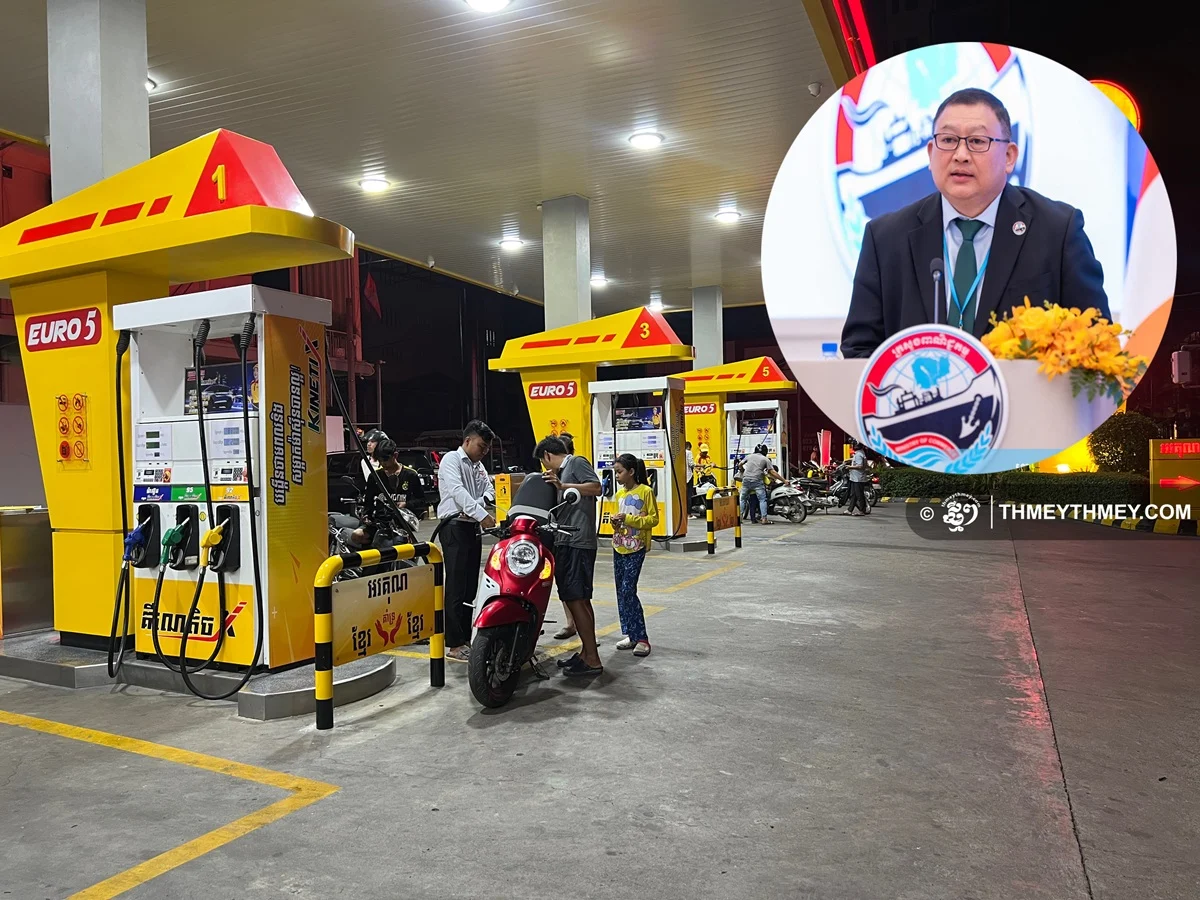
Currently, regular gasoline on the Cambodian market is priced at 4,400 Riel per liter, while diesel stands at 5,150 Riel per liter. These prices were set by the Royal Government and were slated for potential adjustment after March 11th. There is a prevailing expectation that fuel prices may continue to climb in the near future. This economic pressure has compelled some businesses within the transportation sector to increase their shipping fees as a measure to ensure business viability and survival.
Economically, a rise in transportation costs is anticipated to have a cascading effect on the prices of various goods, influencing both international trade and domestic commodity prices. While the current oil price volatility has not yet severely impacted the shipping sector, Mr. Chea Channara expressed apprehension regarding the prolonged conflict in the Middle East, particularly involving major global powers, suggesting it could significantly affect this crucial sector.
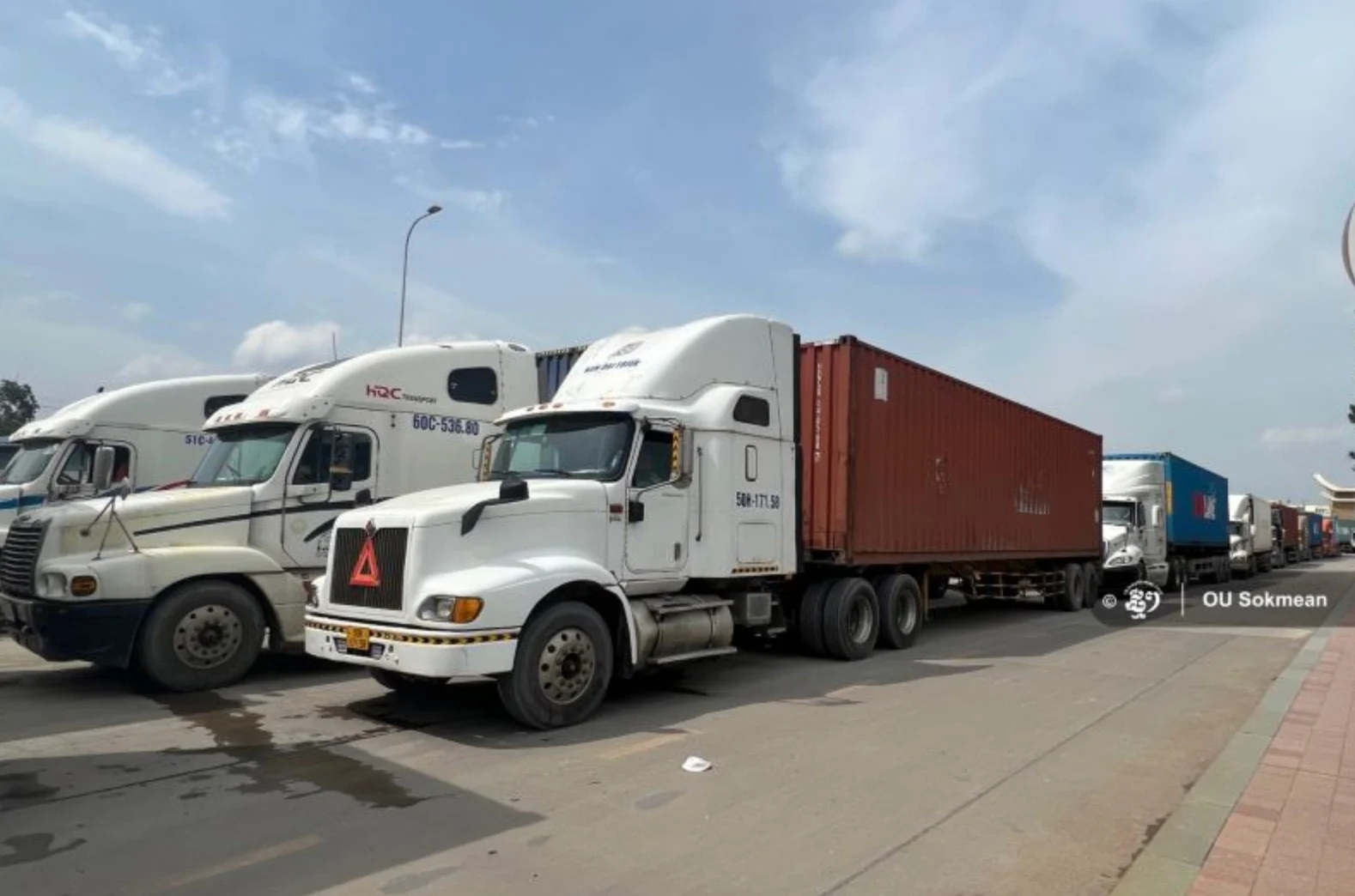
“In the shipping sector, diesel is the primary fuel consumed. Currently, the price of diesel is surging even more significantly than gasoline,” Mr. Channara highlighted. He further elaborated on the scale of fuel consumption, noting that major Cambodian freight transport companies operate over a thousand container trucks per month, moving goods between production sites, Sihanoukville Autonomous Port, Phnom Penh Port, as well as facilitating cross-border transportation with Vietnam and domestic deliveries. Consequently, diesel usage in Cambodia’s land and waterway transportation sector is substantial. Mr. Chea Channara emphasized, “If oil prices continue to rise at this rate, it will severely impact Cambodia’s commercial transportation sector and the domestic supply chain.”
Concurrently, Mr. Sin Chan Thuy, Vice President of the Cambodia Logistics Association, reported that the rapid increase in diesel prices—from 3,850 Riel to 5,150 Riel—has led to an average rise of 12-15 percent in overall shipping and logistics costs. This escalation in transportation expenses is, in turn, causing commodity prices to increase by an estimated 2-2.5 percent.
Mr. Thuy confirmed that these calculations are based on the current diesel price of 5,150 Riel per liter, leading several companies to request freight charge increases from their customers in response to the sharply rising fuel costs. The logistics expert warned that if oil prices continue their upward trend, it will directly impact consumers through higher goods prices, and also adversely affect trade and the national economy. Mr. Thuy added, “Presently, some shipping companies, including those involved in sea freight, are still operating with older price structures, but they are also planning to increase their shipping rates in the coming week.”
The current surge in fuel prices poses a significant risk of inflation and higher commodity prices, which could ultimately lead to a slowdown in Cambodia’s economic growth.
Prom Davy, an economic expert at the Royal Academy of Cambodia, stated that a sustained increase in oil prices would inevitably lead to inflation, thereby diminishing purchasing power. “This issue directly affects the livelihoods of the population, especially low-income individuals, as goods become more expensive, particularly in urban areas,” explained Prom Davy. She cautioned that such a situation could potentially destabilize the economy and various institutions, exerting a negative impact on the nation’s economic expansion.