
Phnom Penh, Cambodia – In a significant move to invigorate its vital agricultural sector, the Cambodian government has announced a new set of three distinct tax incentives for enterprises involved in the cultivation, production, domestic supply, or export of agricultural products. These measures are designed to reduce financial burdens on businesses and stimulate growth across the industry.
Effective from January 1, 2026, these tax concessions will apply to a broad range of agricultural activities. The three key incentives include:
1. **Suspension of Minimum Tax Payment:** Eligible companies will be temporarily exempted from their obligation to pay minimum tax.
2. **Suspension of Prepayment of Tax on Income:** Enterprises will also benefit from a temporary suspension of their tax prepayment on income.
3. **Exemption from Withholding Tax:** This applies to payments made for services supplied by individuals who are not under the self-declared tax regime, further easing operational costs for agricultural businesses.
Additionally, to provide broader support, the Value Added Tax (VAT) on the domestic supply of goods or services to companies and enterprises engaged in the aforementioned agricultural products will be considered a burden of the state. This means the government will effectively cover the VAT for these specific transactions, offering substantial relief to the supply chain.
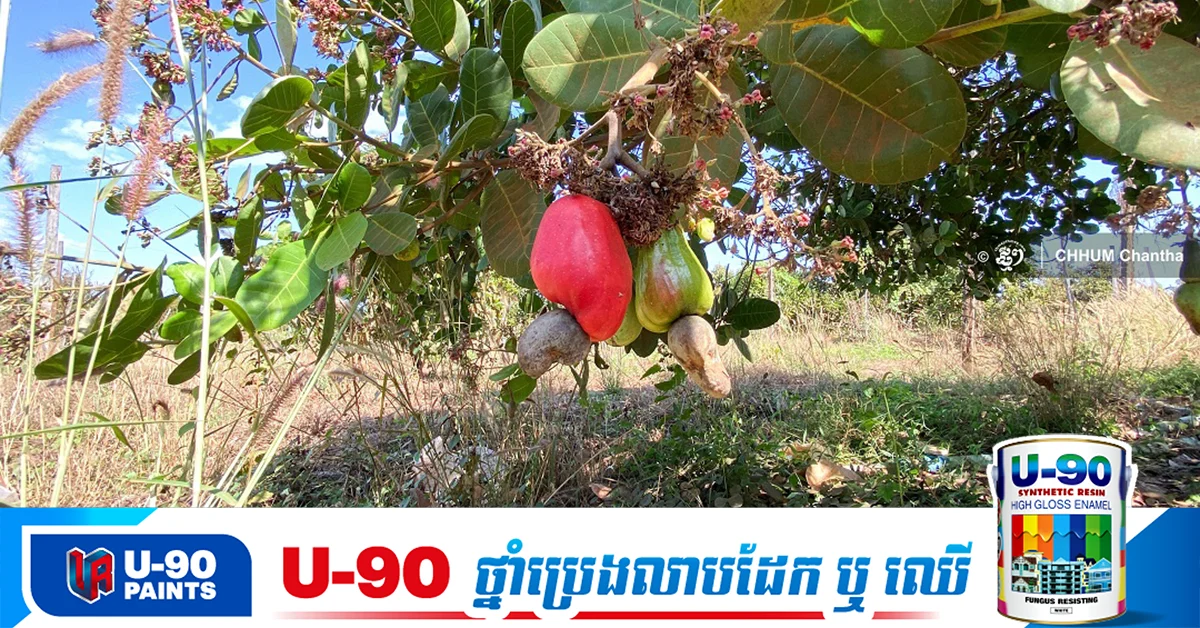
The official declaration outlining these tax incentives for the agricultural sector was signed by Deputy Prime Minister Aun Pornmoniroth, who also serves as the Minister of Economy and Finance, on November 19. The policy specifically targets enterprises involved in a wide array of agricultural products, including paddy and milled rice, corn, beans, pepper, cassava, cashew nuts, rubber latex, Pailin longan, mangoes, bananas, as well as livestock farming, aquaculture, and the domestic production of palm oil products intended as raw materials for animal feed.
To qualify for these valuable tax incentives, companies must meet several essential conditions. Enterprises are required to:
* Submit an application letter for a VAT certificate, designating it as a state burden, to the General Department of Taxation.
* Provide a list of suppliers of goods or services along with their monthly Value Added Tax declarations.
* Maintain accounting records in strict compliance with existing laws and legal regulations.
* Submit their monthly and annual tax declarations to the tax administration according to the prescribed formats, timelines, and locations.
Furthermore, enterprises supplying domestic palm oil products for animal feed production must also include a list of recipient companies with their monthly VAT declarations. The Ministry of Economy and Finance has made it clear that failure to meet any of these stipulated conditions will result in the revocation of the tax incentives. These significant tax relief measures are scheduled to be implemented from January 1, 2026, and will continue until the end of 2027.