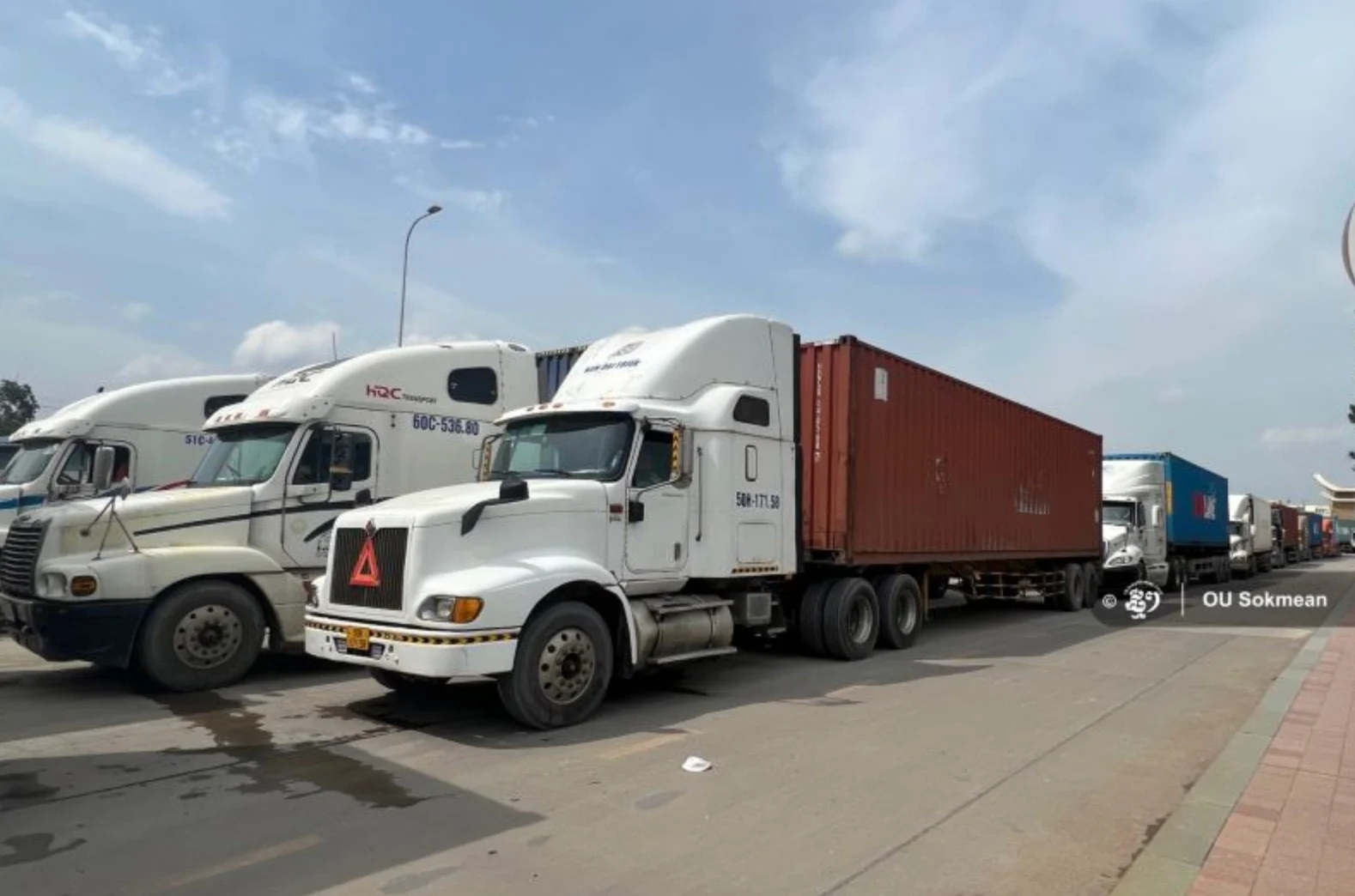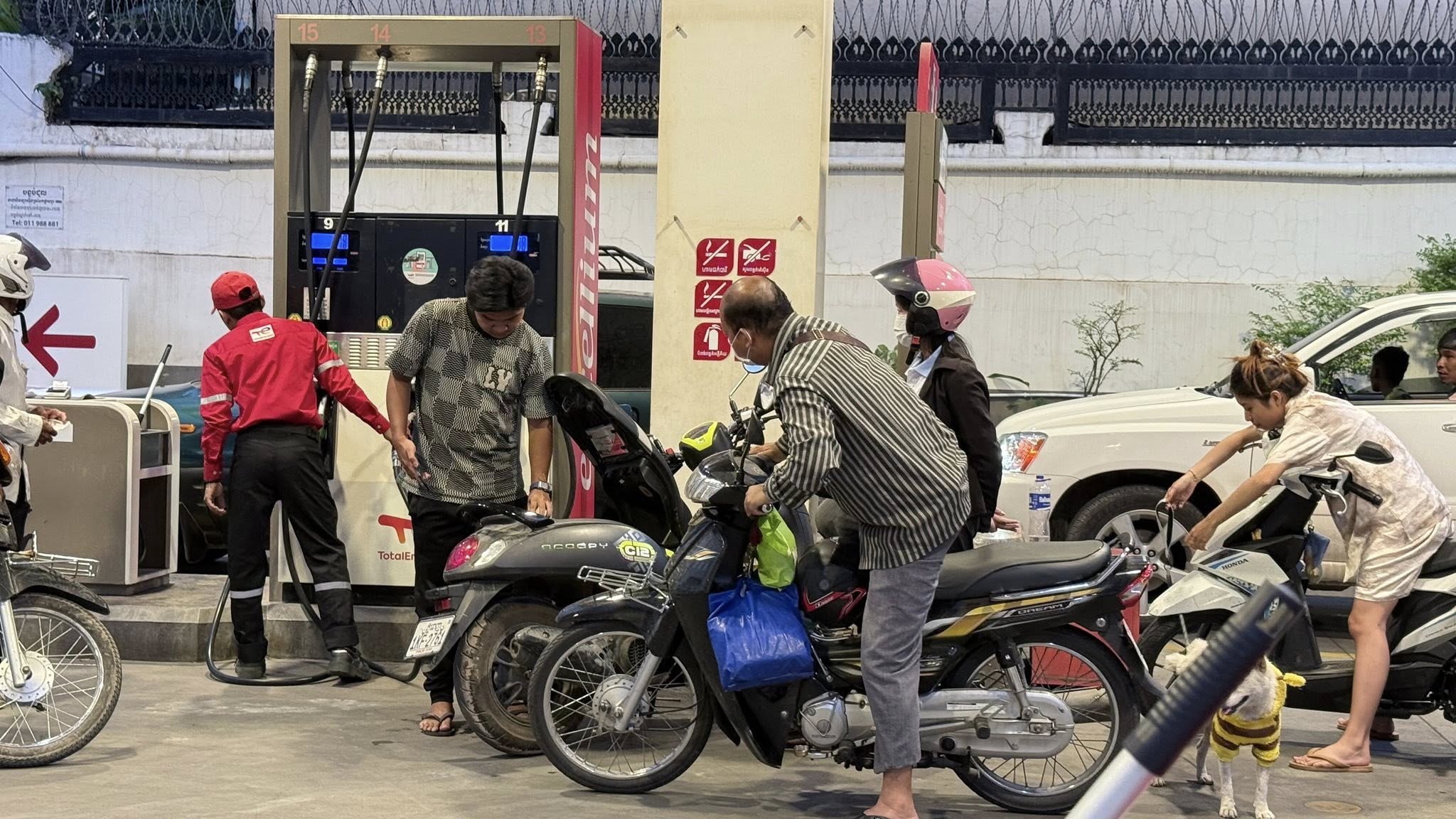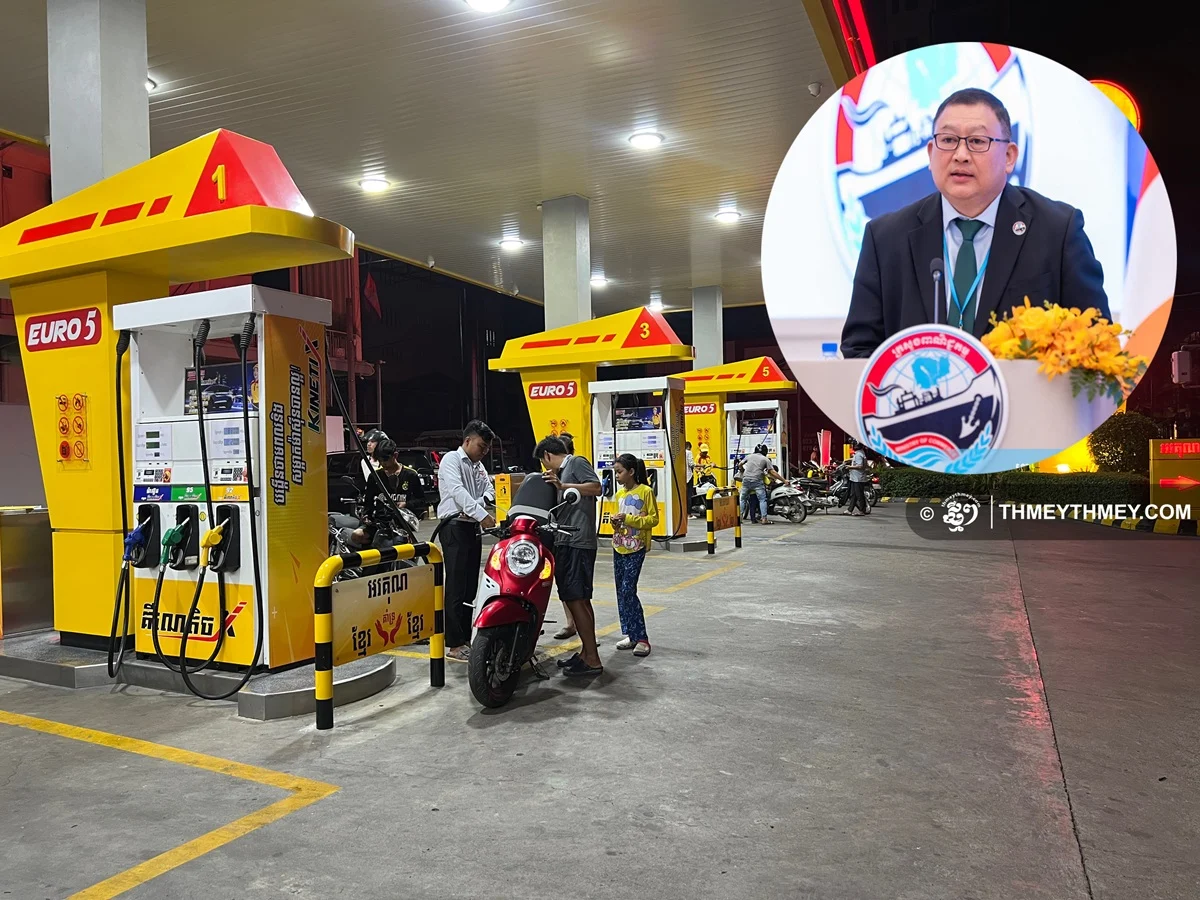
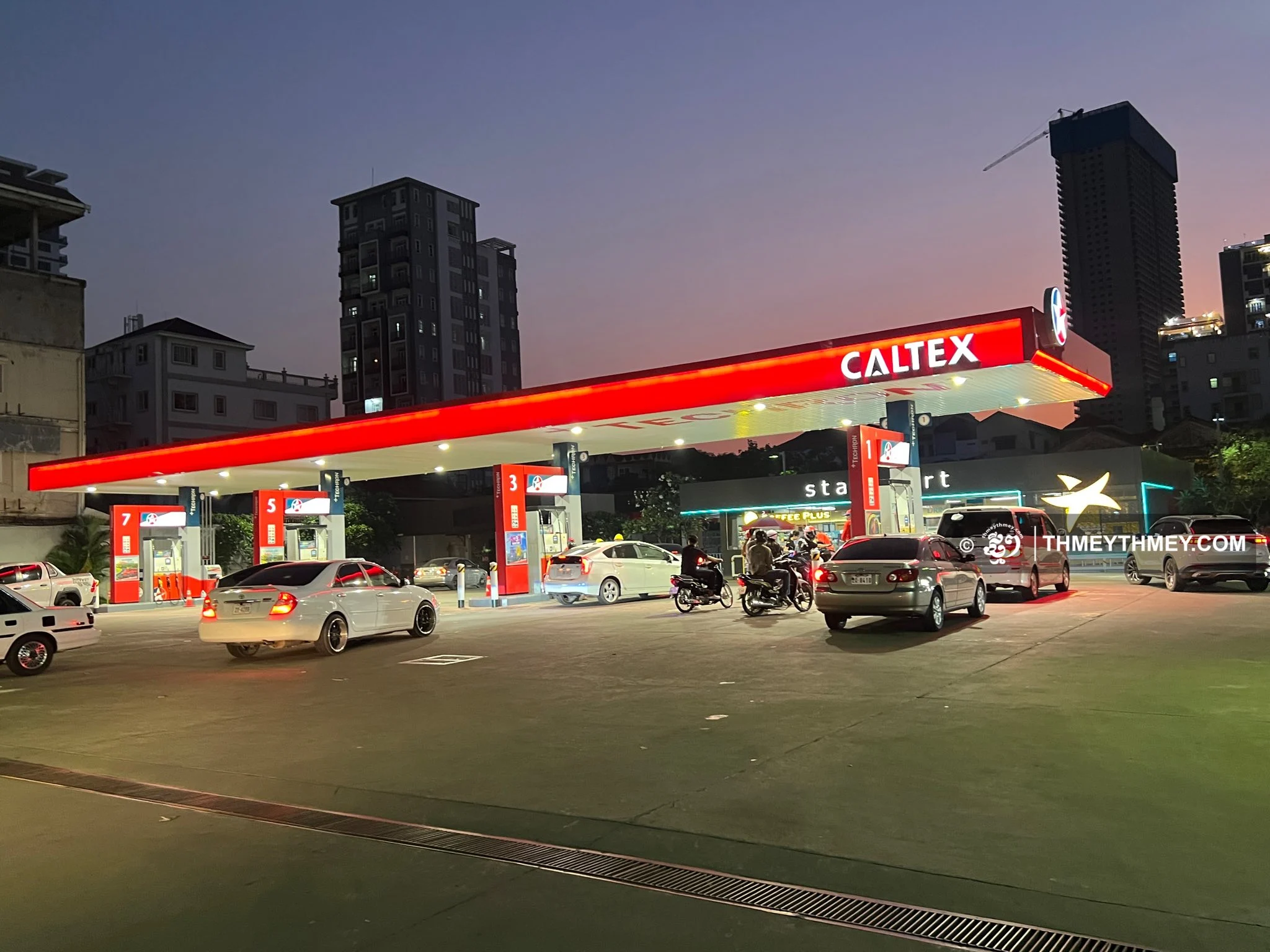
Phnom Penh, Cambodia – The Ministry of Commerce has issued a significant directive, requiring all fuel stations and depots across Cambodia to provide at least one day’s advance notice in the event of a fuel shortage or an intention to temporarily suspend sales. This measure, outlined in an instruction dated March 9, aims to enhance transparency and accountability within the nation’s fuel supply chain, ultimately benefiting consumers and maintaining economic stability.
Under the new guidelines, fuel station and depot operators must notify several key authorities of any impending stock depletion or temporary closure. These include the Department of Mines and Energy, the Department of Commerce, branches of the Consumer Protection, Competition and Fraud Repression Directorate-General (K.B.B.), and local authorities in all provinces and the capital. This proactive notification system is designed to prevent unexpected disruptions and ensure that the public is well-informed about fuel availability.
Further specifying the notification trigger, the Ministry of Commerce mandates that operators must inform authorities when their actual fuel stock reaches 10% before running out completely. In addition to notifying official bodies, stations and depots are also required to publicly announce the date when fuel stock is expected to be replenished, providing clear information to the community.
The directive also reinforces existing regulations concerning fuel sales. All stations and depots are strictly required to sell fuel at prices determined by the government. This mandate is coupled with the crucial responsibility to guarantee the accuracy of both the quality and quantity of fuel dispensed to customers. Furthermore, operators must diligently adhere to technical standards in managing the buying and selling of fuel, ensuring fair and reliable transactions.
Recognizing the critical role of fuel in essential services and the economy, the Ministry’s instruction prioritizes the supply of fuel to public services. This includes emergency vehicles such as ambulances and fire trucks, as well as general public service vehicles. Additionally, farmers and individuals involved in vital production and logistics chains, who rely heavily on fuel for their operations, are to be given priority to ensure the uninterrupted functioning of essential economic and commercial activities.
For any station or depot planning a temporary suspension of operations, it is imperative to follow the established procedures set forth by the competent authorities. Similarly, for those approved to resume operations, cooperation with these authorities is required to complete all necessary reopening protocols.
The Ministry of Commerce has issued a stern warning that any station or depot found in violation of these instructions will face legal action under existing laws. To ensure compliance, specialized K.B.B. officials, relevant institutions, and local authorities will conduct continuous monitoring and regular inspections of fuel sales. This oversight aims to guarantee adherence to management standards for fuel transactions and to take decisive action against any individuals who exploit the situation through price gouging or other opportunistic practices that could harm the public.