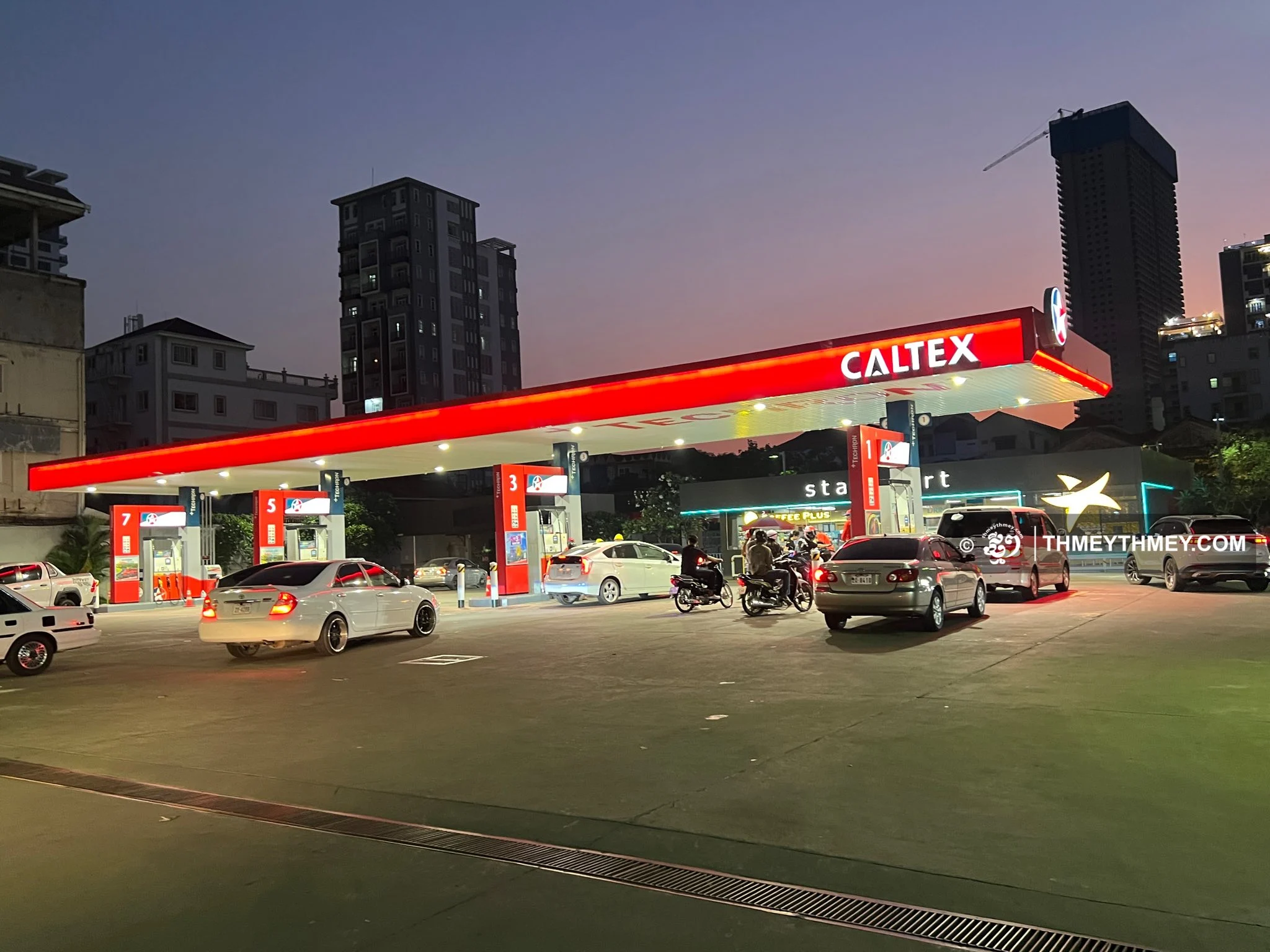
Cambodia is currently experiencing a significant increase in fuel prices, with regular gasoline reaching 5,200 Riel per liter and diesel climbing to 6,400 Riel per liter. This sharp escalation in fuel costs is attributed to the ongoing conflict in the Middle East, which has had a ripple effect on global energy markets.
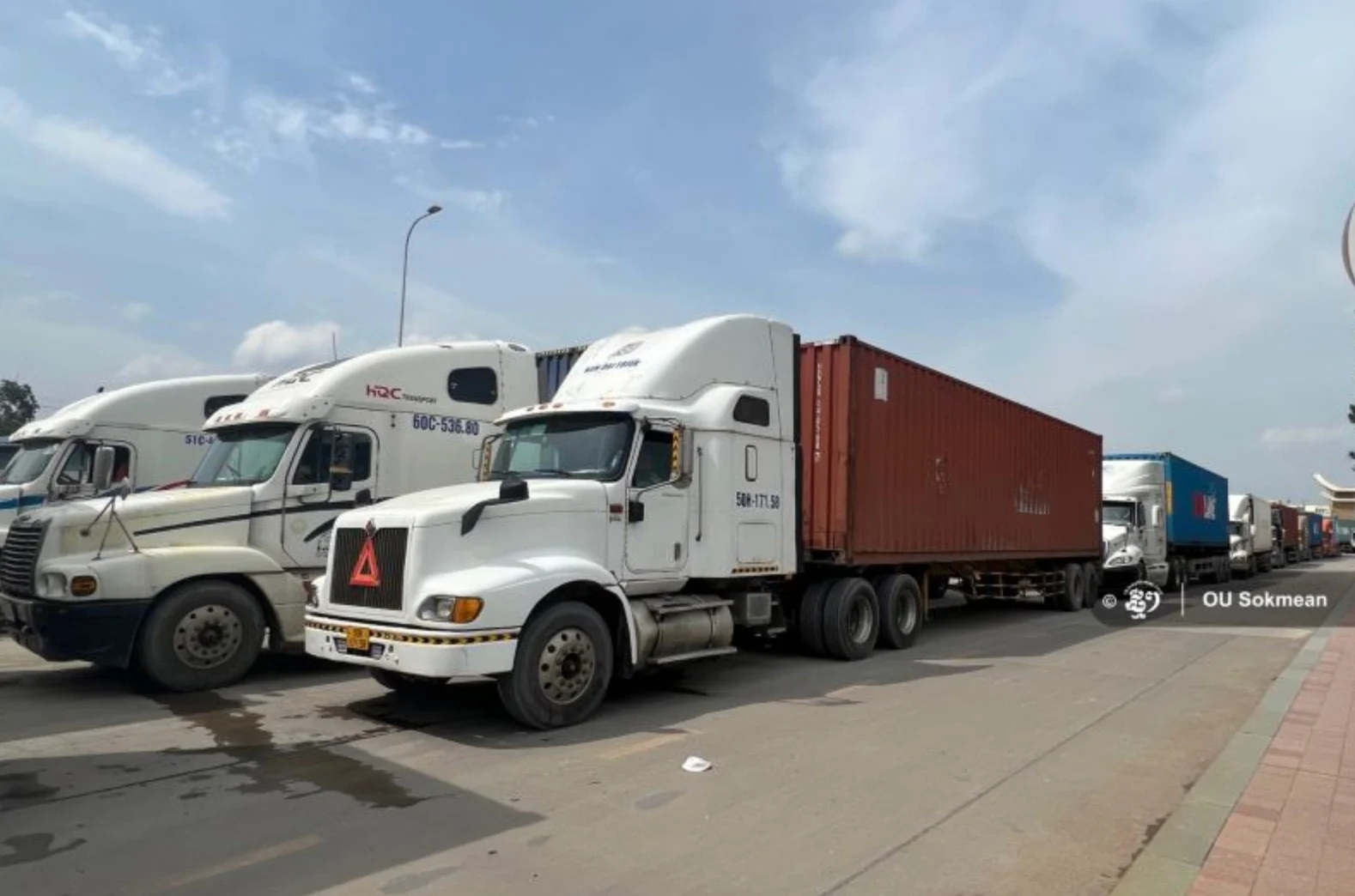
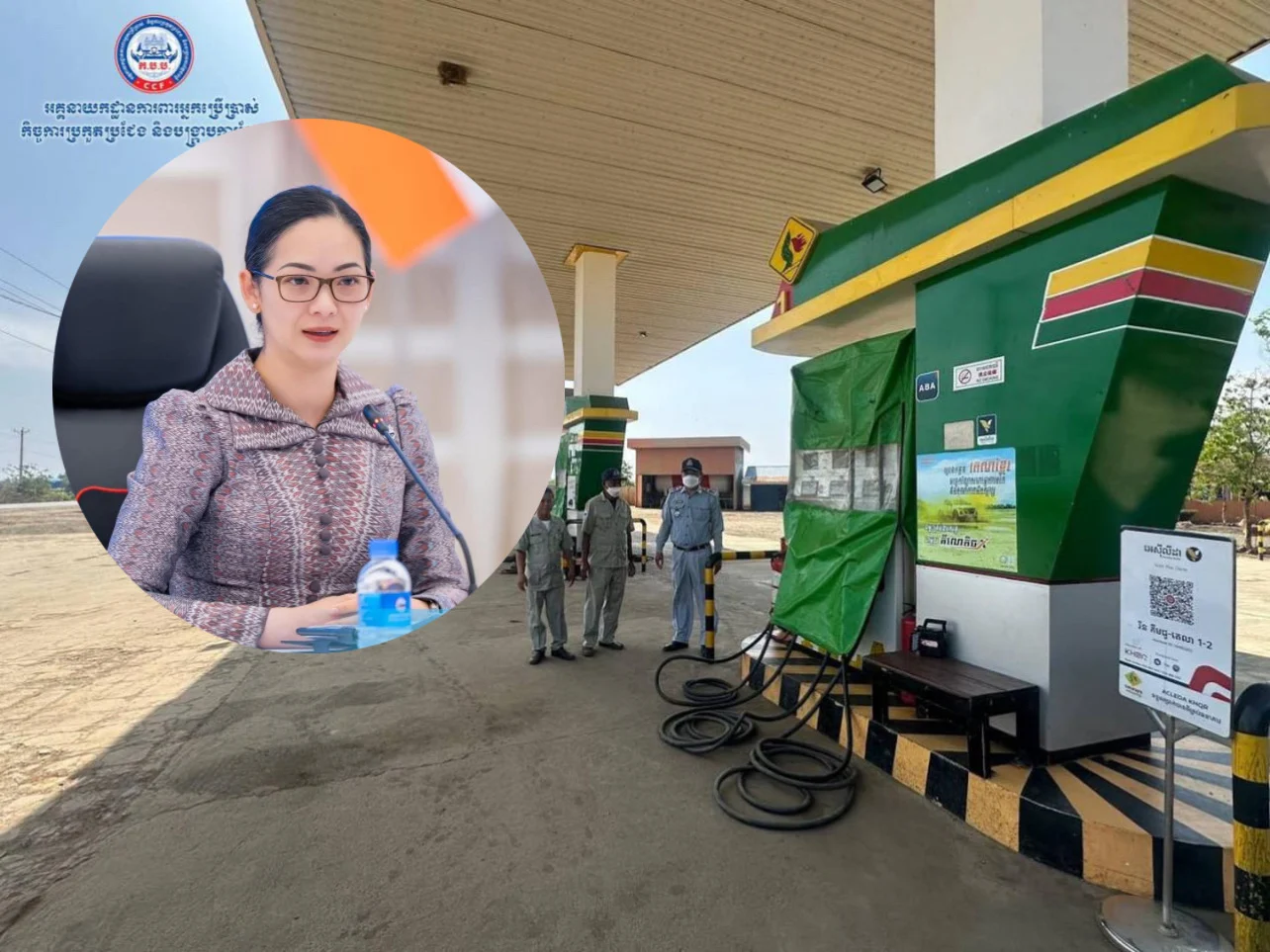
The price surge has also impacted fuel availability within the country. As of March 13, over 400 Cambodian fuel stations and depots were reportedly closed or operating under suspension. This disruption stems primarily from delays in the arrival of new fuel stock. While earlier reports suggested more than 2,000 stations had ceased operations, a subsequent on-site inspection by a joint working group from the Ministry of Commerce clarified that the number of stations genuinely facing stock-related closures was approximately 400, with others having since resumed their activities.
In response to these challenges, the Ministry of Commerce issued new guidelines on March 14, aimed at ensuring equitable distribution and market stability. Fuel station and depot owners are now required to actively collaborate with authorities by promptly reporting any difficulties or challenges encountered in securing fuel supplies. This includes notifying the Ministry of Mines and Energy, the Ministry of Commerce, or their respective provincial departments, allowing competent authorities to facilitate and coordinate timely fuel deliveries.
The Ministry’s directives also emphasize safety and fair trade practices. Station owners must ensure the safety of customers by dispensing fuel directly from the pump nozzle into vehicles. The practice of pre-filling bidons or cans for storage and subsequent sale is strictly prohibited due to the high risk of fire, as well as potential negative impacts on fuel quantity and quality. Furthermore, all fuel stations and depots are instructed to supply fuel precisely according to the volume specified on company-issued fuel cards.
For consumers, including community members and agricultural enterprises reliant on fuel for production and logistics, the Ministry advises timely reporting of any shortages or essential needs to local authorities, particularly commune agriculture officials, or directly to the Ministry. This process will enable authorities to assess requirements and coordinate appropriate fuel supply sources. Additionally, citizens are urged to handle bidons or cans for personal fuel storage safely, adhering to secure volume limits to mitigate fire hazards and prevent potential harm to property or personal well-being. The Ministry also encourages the economical use of fuel, prioritizing its allocation for essential economic and commercial activities to maintain crucial operations during this period of price volatility and supply challenges.