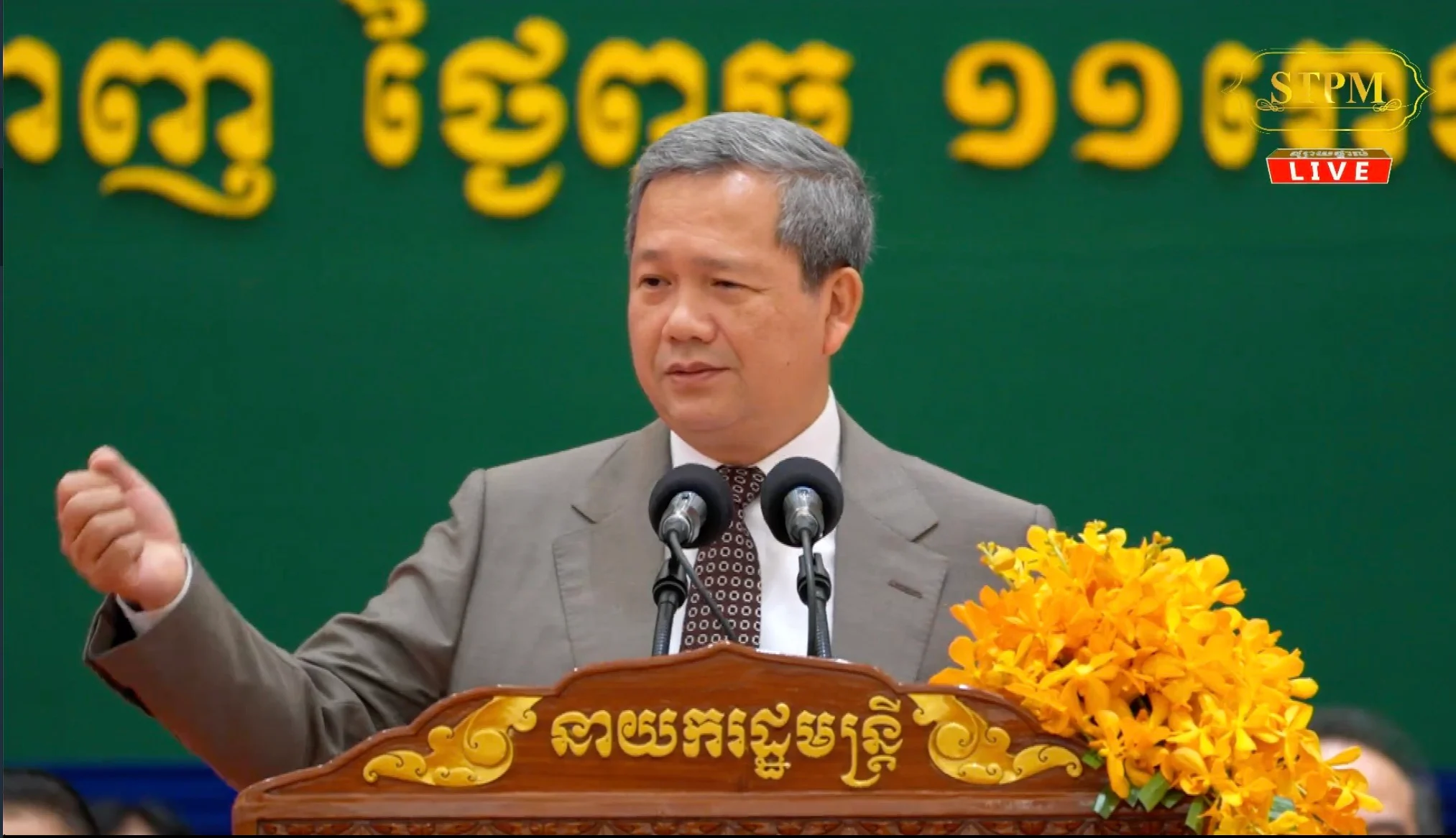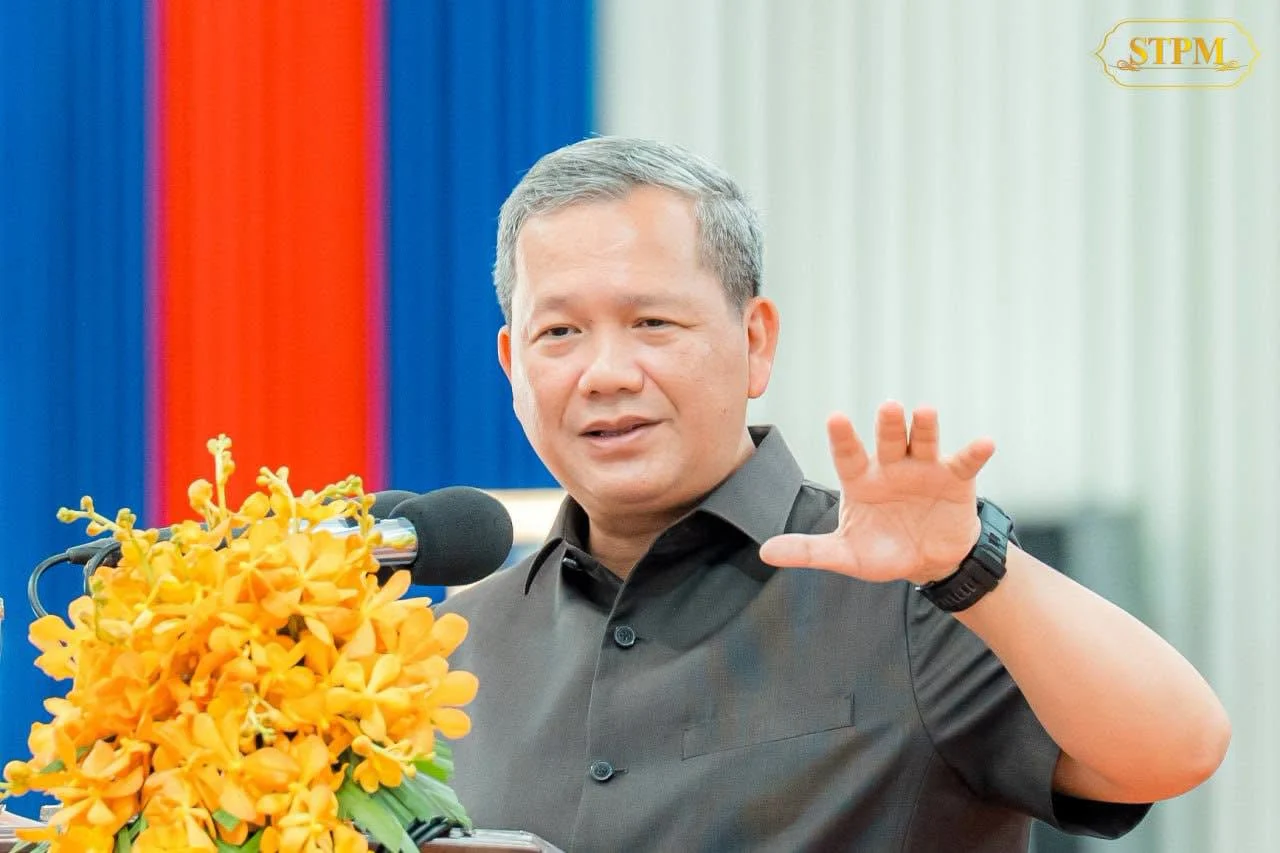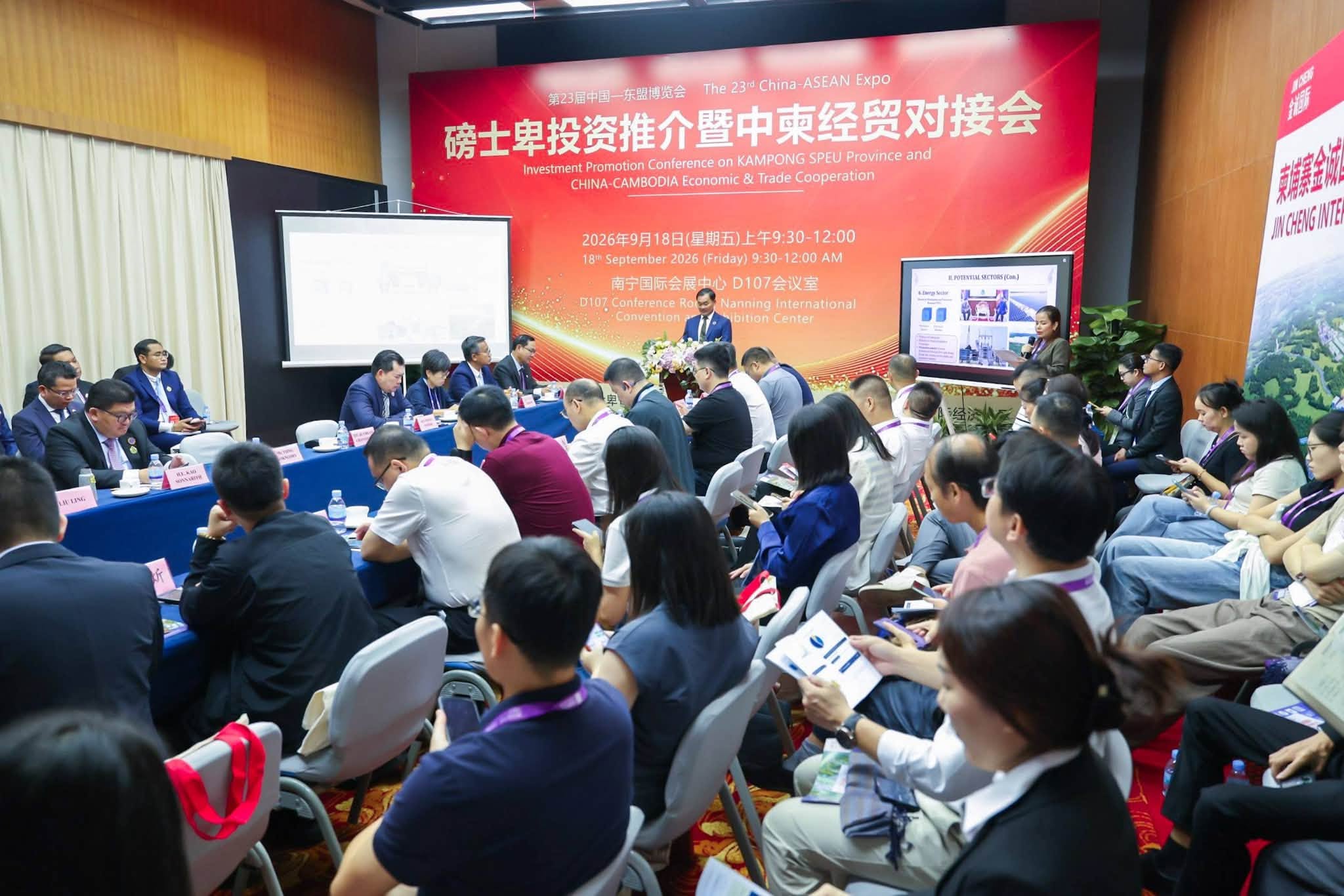
Numerous Chinese companies engaged in vital sectors such as mining resources, energy, agriculture, technology, and infrastructure are actively seeking to significantly expand their investments in Cambodia. This substantial interest was prominently highlighted by Prime Minister Hun Manet, signaling a strong vote of confidence in the Kingdom’s economic future.
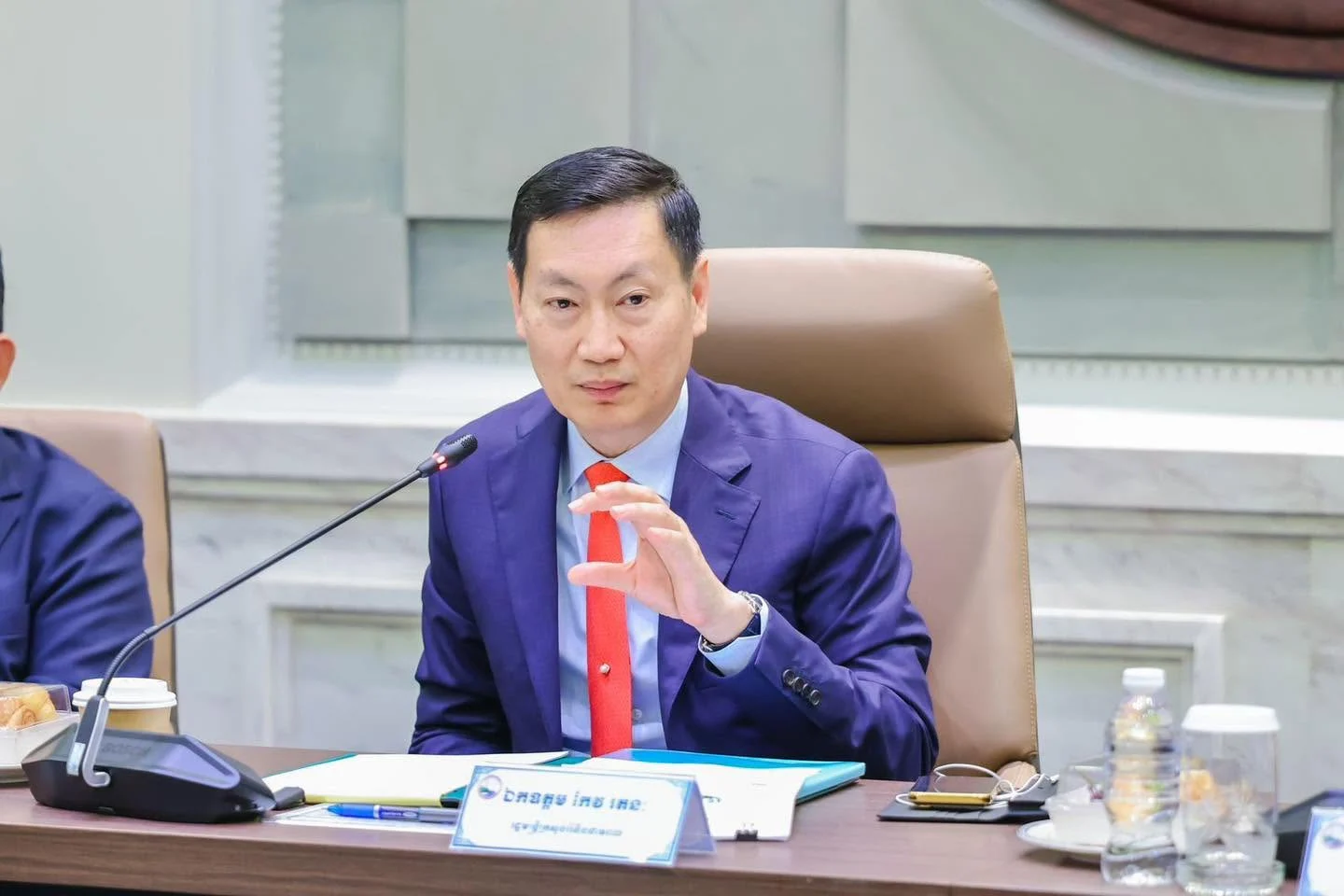
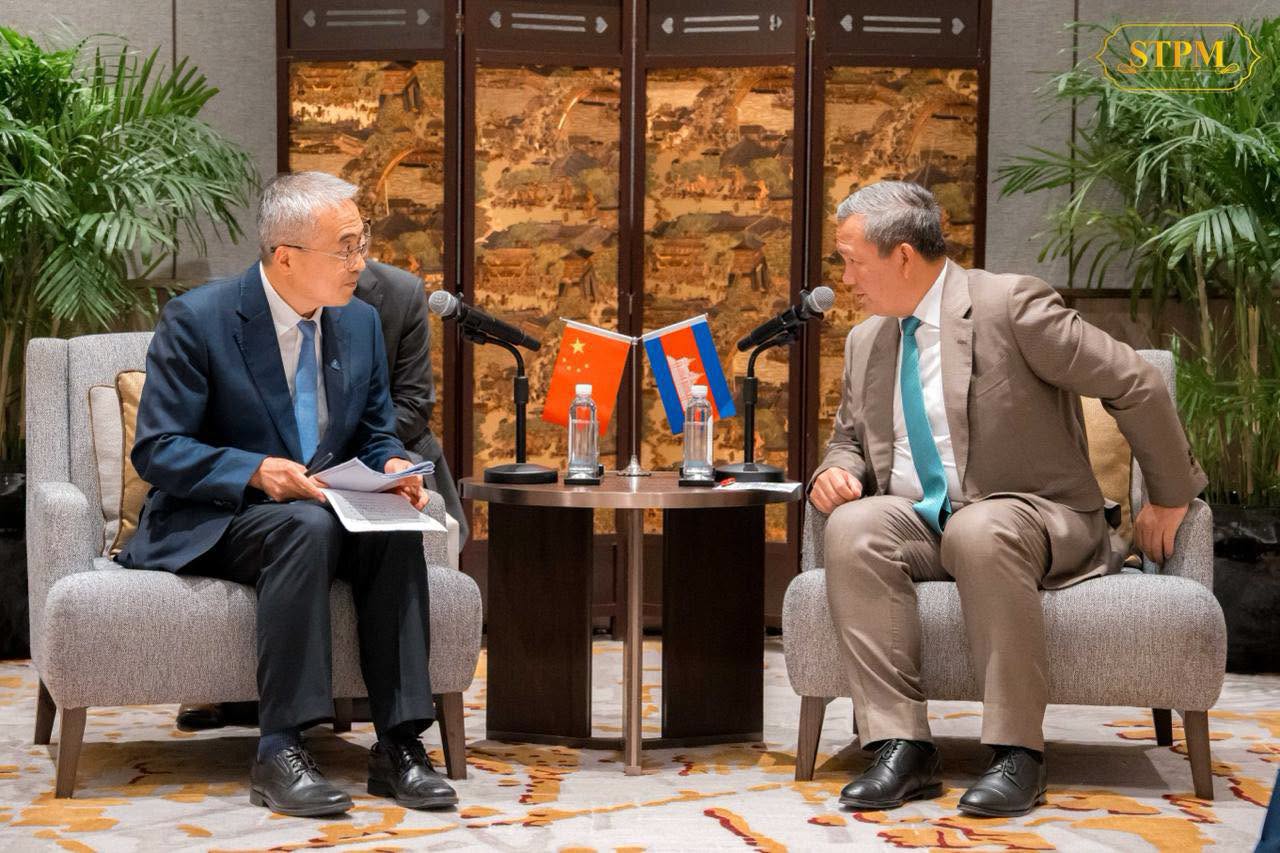
On the afternoon of July 15, Prime Minister Hun Manet conducted a pivotal working discussion with Mr. Wang Shilei, Chairman of CHINALCO (Aluminum Corporation of China). During their meeting, Mr. Shilei conveyed CHINALCO’s keen interest in exploring additional investment opportunities within Cambodia. The Prime Minister further elaborated that CHINALCO is recognized as a leading enterprise in China, boasting extensive business operations that encompass the mining resources industry, comprehensive infrastructure construction, the development of special economic zones, and advanced railway projects, among other areas. Mr. Wang Shilei also provided an update on the progress of several of the company’s existing projects in Cambodia, noting that CHINALCO has already undertaken detailed feasibility studies in both the steel production and mining resource sectors. Building upon these preliminary assessments and existing engagements, CHINALCO is now actively looking to deepen its investment footprint in these strategic Cambodian sectors.
In a positive response, Prime Minister Hun Manet expressed high appreciation for the demonstrated success of CHINALCO’s business operations in the region. The Prime Minister warmly welcomed the company’s stated objective to seek out new investment prospects across various high-potential sectors in Cambodia, specifically mentioning infrastructure, railway construction, and mining resources. Reaffirming the Cambodian government’s steadfast policy, the Prime Minister declared, “Cambodia consistently welcomes and is always prepared to provide comprehensive support to all investing companies to ensure their sustained success within Cambodia.” He further encouraged CHINALCO to maintain close and continuous discussions with relevant Cambodian ministries and institutions to efficiently concretize these promising investment opportunities into tangible projects in the near future.
That same day witnessed a multitude of other prominent Chinese companies, specializing in diverse fields such as technology, clean energy solutions, agriculture, and construction, also expressing their firm intentions to expand their investments in Cambodia. For instance, Fujian Jinlu Daily Chemical is actively interested in establishing a manufacturing plant for household daily necessities within Cambodia. Concurrently, Yuanda Group is keen to explore investment prospects in the critical areas of education, agriculture, and cutting-edge digital technology. The Shandong (Cambodia) Economic and Technological Development Zone, another significant investor, aims to further broaden its existing investments in Cambodia’s high-potential sectors, with a particular focus on large-scale cashew cultivation and the comprehensive development of industrial parks. In a parallel development, Haier Group has successfully forged a strategic partnership with a local Cambodian company to establish the country’s first-ever tablet assembly plant. Mr. Diao Yunfeng, Vice President of Haier Group, personally presented the company’s detailed investment plans for Cambodia to Prime Minister Hun Manet. These ambitious plans are designed to provide affordable electronic tablets to students and individuals operating within the informal economy, thereby significantly broadening access to essential digital tools and vigorously promoting distance learning opportunities across the nation.
Prime Minister Hun Manet highlighted Haier’s extensive global reach, noting that the Chinese conglomerate currently operates its diverse business activities in over 60 countries worldwide, serving an estimated 44 million users with its innovative products and services. Simultaneously, the China Machinery Engineering Corporation Group (CMEC) also signaled its intention to expand its investments further into Cambodia’s vital energy and agriculture sectors. CMEC has a long-standing presence in Cambodia, having initiated its investments since 2008, primarily concentrating on energy production and infrastructure development. The company is currently engaged in close cooperation with local partners on the significant project of constructing a Liquid Natural Gas (LNG) power plant in Koh Kong province. Furthermore, China Energy International has expressed a keen interest in expanding its investments in Cambodia into critical areas such as cement production, advanced clean water treatment, and the burgeoning sector of renewable energy. This Chinese firm initially focused its business operations in Cambodia on providing Engineering, Procurement, and Construction (EPC) services for crucial energy infrastructure projects.
Another highly influential Chinese entity, CRCC (China Railway Construction Corporation), also communicated its strong intention to substantially expand its investments within Cambodia. CRCC is globally recognized as one of the world’s leading engineering and construction enterprises, with its core activities encompassing large-scale construction contracting, efficient infrastructure operations, the manufacturing of high-tech equipment, and the strategic development of new industrial sectors. Its expansive business operations span across more than 150 countries. Prime Minister Hun Manet underscored CRCC’s significant historical investment in the Cambodian market since 2008, noting its successful completion of numerous crucial national projects. These include the vital clean water supply project in Battambang province, the state-of-the-art Cambodian Sports Village, the impressive building for the Ministry of National Defense, and the modern Cambodia-China Friendship Hospital in Tboung Khmum. The Prime Minister definitively confirmed CRCC’s plans for further expansion of its investments in key Cambodian sectors, specifically mentioning transport infrastructure, cutting-edge digital infrastructure, renewable energy initiatives, and integrated investment, construction, and operation (Integrated ICO) models.