Cambodia’s economy is currently navigating significant challenges, primarily driven by a sharp increase in fuel prices. Regular gasoline has recently surged to 5,500 Riel per liter, while diesel stands at 6,550 Riel per liter in the Cambodian market. This substantial rise in fuel costs, mirroring global trends, is largely attributed to the ongoing conflict in the Middle East, which has impacted global energy markets.
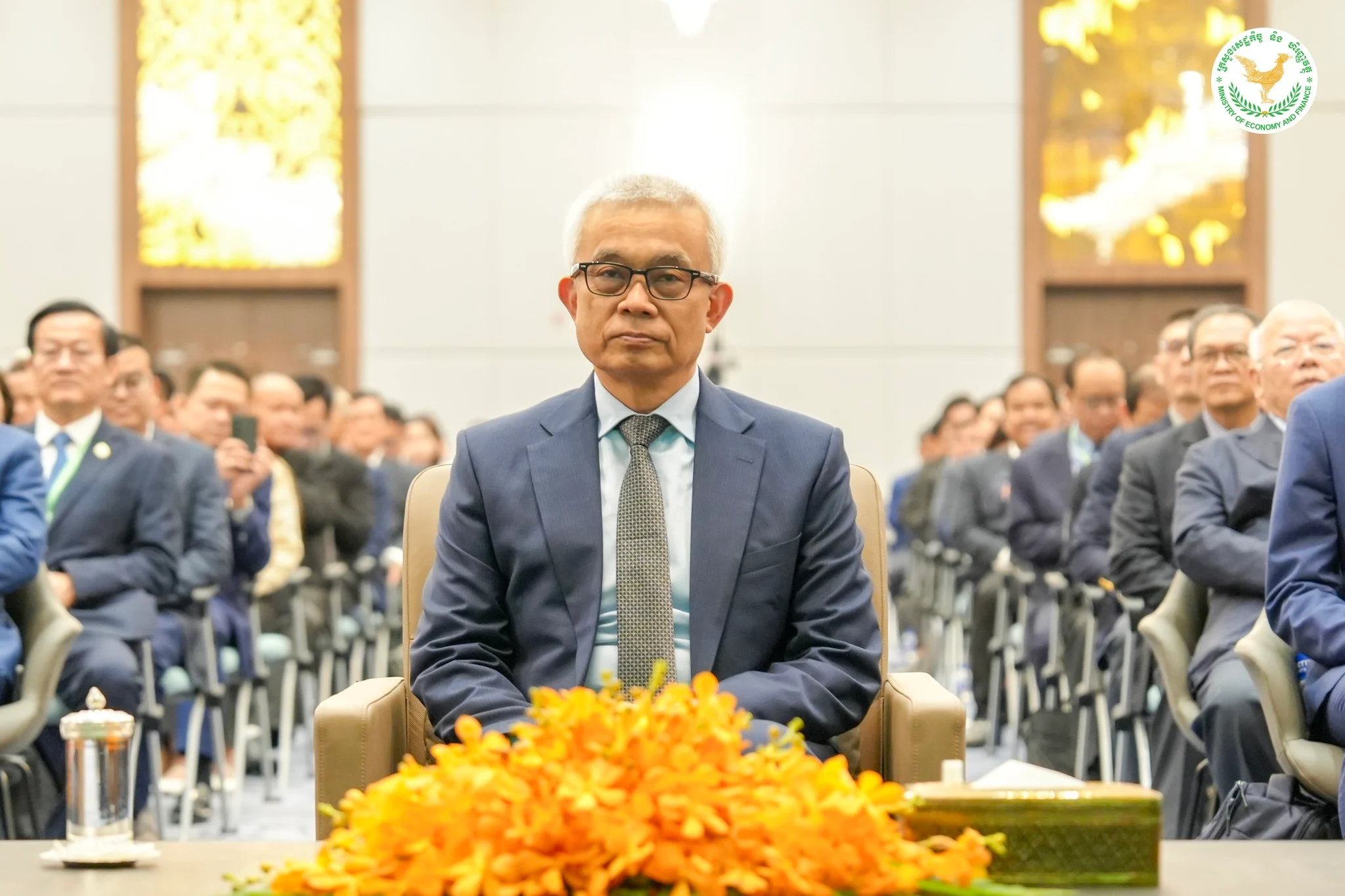
Deputy Prime Minister and Minister of Economy and Finance, Aun Pornmoniroth, has affirmed that this fuel crisis is exerting a negative impact on Cambodia’s economy. He warned that the escalating fuel prices threaten to drive up the cost of domestic goods and services, posing a challenge to household budgets and business operations.
The Deputy Prime Minister also highlighted broader challenges facing the financial sector. He noted that these issues could potentially undermine financial stability and overall economic activity. Furthermore, he emphasized the critical need for economic diversification to ensure sustainable growth and robust job creation, particularly in these uncertain times marked by global instability.
Amidst these concerns, Carlos Felipe Jaramillo, the World Bank’s Vice President for East Asia and the Pacific, expressed the institution’s unwavering commitment to ongoing cooperation and support for Cambodia. This commitment aims to contribute significantly to Cambodia’s journey towards achieving its long-term vision for 2050.
This pledge of support is formalized through a new Country Partnership Framework (CPF) between the Royal Government of Cambodia and the World Bank for the period 2025-2029. This five-year cooperation framework will primarily focus on key areas such as human capital development, enhancing national competitiveness to foster better employment opportunities, and strengthening resilience for vulnerable populations across the country.
The CPF 2025-2029 document received official approval from the World Bank’s Board of Executive Directors. Its development involved close collaboration with various ministries and institutions of the Royal Government, as well as other relevant stakeholders. This collaborative approach ensures that the framework aligns effectively with Cambodia’s strategic priorities, including the Pentagon Strategy-Phase 1, the National Strategic Development Plan, and the nation’s specific developmental needs.
Furthermore, Mr. Jaramillo elaborated on the International Development Association (IDA21) financing framework, confirming that the World Bank will continue its financial assistance to Cambodia. This will be achieved by maintaining current financing levels and actively mobilizing additional funds from various sources to support Cambodia’s development agenda.
Deputy Prime Minister Aun Pornmoniroth outlined Cambodia’s current priority sectors for development. These include skill and education enhancement, critical transport infrastructure, and other crucial areas designed to improve the investment climate and facilitate trade. These efforts are geared towards boosting competitiveness, productivity, and economic diversification, thereby enabling Cambodia to fully leverage existing free trade agreements and expand its global market reach.
The Deputy Prime Minister further underscored the urgent necessity for swift and effective measures. These include robust skill training programs and ensuring appropriate access to financial resources for micro, small, and medium-sized enterprises (MSMEs). Other strategic initiatives involve promoting informal economic activities, establishing local enterprises to empower citizens to create their own jobs and businesses, and effectively absorbing both the youth labor force and returning workers from Thailand.
In response to the Cambodian government’s outlined measures, Mr. Jaramillo expressed appreciation and reaffirmed the World Bank’s readiness. He stated, “The World Bank is prepared to continue its cooperation, provide technical assistance, and share international best practices to support Cambodia in improving its policies and institutional capacity. We are committed to assisting Cambodia in its development across all priority areas, which are essential factors for achieving the Cambodia 2050 vision.”