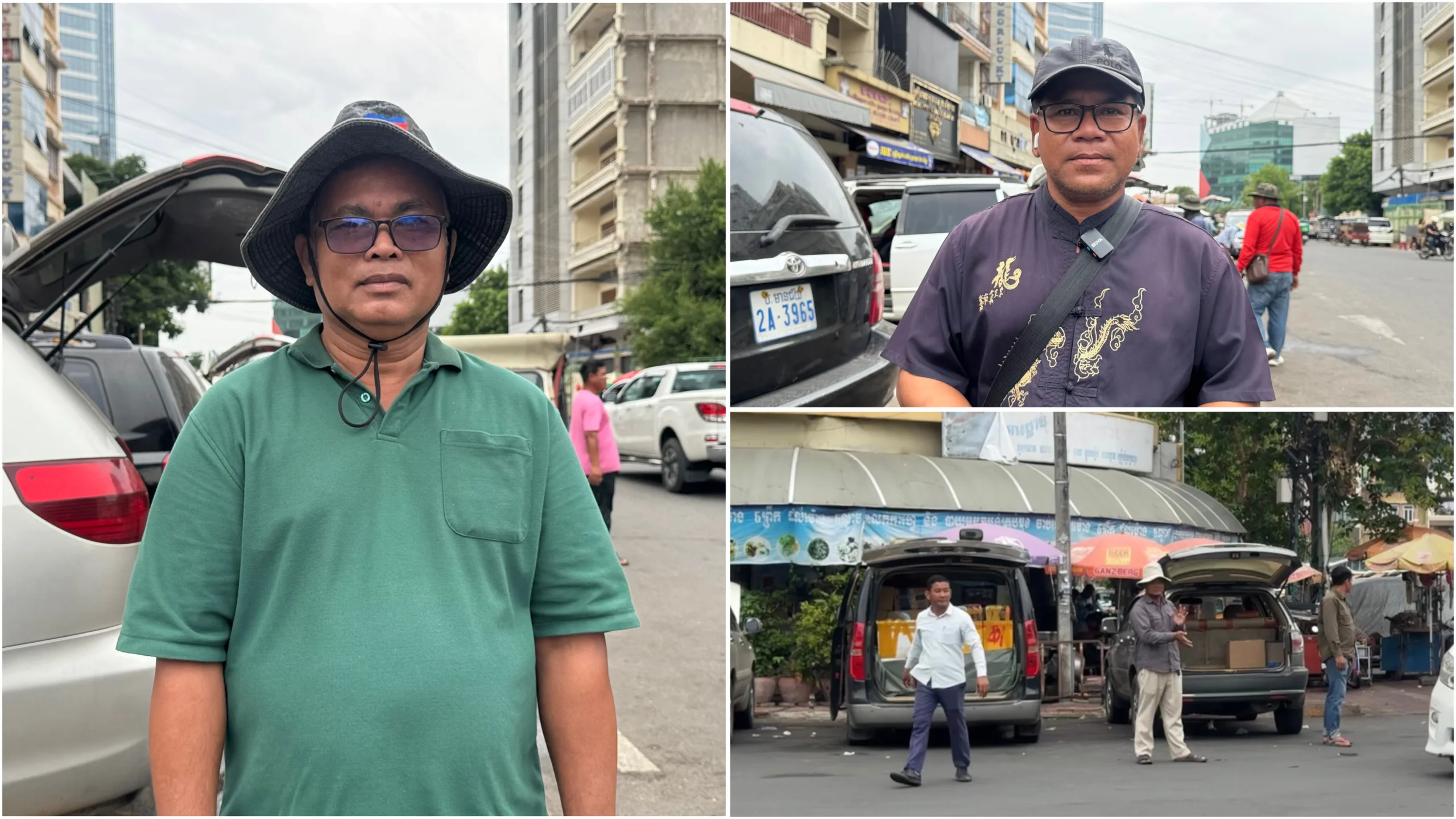
Phnom Penh, Cambodia – Taxi drivers across Phnom Penh are facing significant financial distress following a sharp increase in gasoline and gas prices. This recent surge in fuel costs has led to a worrying decline in their daily incomes, primarily because they are unable to adjust passenger fares to offset their escalating operational expenses. The dilemma leaves many drivers struggling to make ends meet.
Numerous taxi drivers in the capital have voiced their concerns, explaining that while their daily expenditure on fuel has risen substantially, the number of passengers remains stagnant. These drivers typically depend on continuous travel throughout the day to find customers, a routine that now demands a much larger portion of their earnings for fuel.
Mr. It Chumnan, a taxi driver operating from Phsar Thom Thmey, shared his challenging experience. He stated that prior to the fuel price hike, he could manage to save a reasonable amount from his daily earnings. However, currently, the majority of his income is consumed by fuel costs, leaving him with very little left over. Mr. Chumnan expressed profound worry that if fuel prices continue their upward trend, he would find it increasingly difficult to provide for his family.
“Gasoline prices are going up, and our income is falling,” Mr. Chumnan lamented. “We cannot charge passengers more, so there’s nothing left at the end of the day. We haven’t raised our fares, and we also don’t have many passengers these days; it’s truly difficult.”
Mr. Chumnan, whose routes typically cover destinations like Battambang and Banteay Meanchey provinces, charges approximately 50,000 Riel per passenger. He noted that he once managed to earn a daily profit of about 100,000 Riel, but now his profit has dwindled to a minimal amount. Despite the hardship, this elderly driver from Kandal province continues his profession as he knows no other way to earn a living. He earnestly hopes for a stabilization of fuel prices in the near future, which would allow him to sustain his livelihood and better support his family.
Another taxi driver, Mr. Sun Samphos, echoed these sentiments, explaining that despite the rising costs of gasoline and gas, increasing passenger fares is not a viable option. He fears that higher fares would simply drive customers away, leading them to seek alternative modes of transportation. “We cannot ask passengers for higher fares; they say if prices go up, they won’t ride,” Mr. Samphos clarified. “This makes it incredibly tough because we’re grappling with both escalating fuel prices and a shortage of passengers. It’s a real struggle to find enough money to support my family.”
Mr. Samphos provided a clear example of the impact: a trip from Phnom Penh to Siem Reap, which previously cost around 200,000 Riel in fuel, now requires up to 300,000 Riel. He emphasized the current difficulty in generating sufficient income and the looming threat of significant income loss.
In light of these pressing challenges, taxi drivers like Mr. Samphos are appealing to relevant government authorities and institutions to consider implementing measures that could help alleviate the severe impact of rising fuel prices. This issue extends beyond just taxi drivers, affecting the entire transportation sector and impacting the daily lives of countless citizens who face increasing expenses with stagnant income levels.